The Science and Art of Animal Breeding: A Comprehensive Exploration for Modern Livestock Management
In an era where precision agriculture meets traditional husbandry, animal breeding has evolved from mere instinct-based practices to a sophisticated science that combines genetics, nutrition, and environmental management. For members of the animalgrow community and enthusiasts dedicated to livestock development, understanding the nuances of modern animal breeding is essential.
This exploration delves into the multifaceted world of animal breeding, covering its historical roots, contemporary methodologies, ethical considerations, economic implications, and future innovations. Whether you’re managing a small farm or operating within a large-scale agricultural enterprise, these insights will help shape your approach to sustainable and productive breeding programs.
Historical Foundations of Animal Breeding
Animal breeding dates back thousands of years, beginning with early human civilizations domesticating wild animals for food, labor, and companionship. These ancient practices laid the groundwork for selective breeding techniques still used today.
The transition from random mating to intentional selection marked a pivotal moment in agricultural history. Early farmers observed traits such as size, strength, and temperament, gradually shaping populations through careful reproduction choices.
Different cultures developed distinct approaches based on their needs and environments. In Asia, rice paddies influenced water buffalo breeding, while European pastoral societies focused on wool quality in sheep.
- Crossbreeding: The deliberate mixing of different breeds to enhance productivity was first documented by Roman agronomists who noted improved yields in mixed herds.
- Selective breeding: By medieval times, monks in monasteries systematically recorded lineage information, laying the foundation for pedigree systems we use today.
These early methods, though rudimentary compared to modern standards, established fundamental principles that continue to influence current breeding strategies across global agribusiness sectors.
Modern Genetic Principles in Animal Breeding
Contemporary animal breeding relies heavily on genetic science, utilizing advanced technologies to optimize desired traits in livestock populations. This scientific approach allows breeders to make data-driven decisions rather than relying solely on observation.
Mendelian inheritance patterns form the basis of many breeding programs, enabling predictability in trait transmission between generations. Understanding dominant and recessive genes helps breeders avoid undesirable characteristics while promoting beneficial ones.
Quantitative genetics further enhances breeding efficiency by analyzing complex traits affected by multiple genes. Traits like milk production in dairy cattle benefit significantly from these statistical models.
Beyond simple Mendelian traits, epigenetic factors now receive increasing attention. Environmental influences can alter gene expression without changing DNA sequences, offering new avenues for improvement.
Genomic selection represents one of the most transformative developments in recent decades. By examining entire genomes, breeders can identify superior candidates at younger ages with greater accuracy than ever before.
Ethical Considerations in Contemporary Breeding Practices
The advancement of animal breeding technology brings both opportunities and challenges regarding ethical responsibility. Breeders must balance commercial interests with animal welfare concerns in their decision-making processes.
Intensive selection for specific traits sometimes leads to unintended consequences. Excessive emphasis on rapid growth rates in poultry can compromise skeletal health, raising serious welfare issues.
Veterinary professionals emphasize the importance of maintaining genetic diversity within populations. Over-reliance on popular sire lines increases vulnerability to diseases and reduces adaptability to environmental changes.
Humane handling protocols during artificial insemination and other reproductive procedures are crucial aspects of responsible breeding practices. Proper training ensures minimal stress for both handlers and animals involved.
Transparency in breeding operations builds trust among consumers concerned about how their food is produced. Ethical certification programs help validate commitment to humane treatment standards.
Economic Implications of Effective Breeding Programs
A well-designed breeding program offers significant financial benefits to agricultural enterprises through increased productivity and reduced input costs. Optimized genetics contribute directly to profitability in various livestock sectors.
Dairy farms implementing genomic selection have reported up to 20% improvements in milk yield while reducing replacement heifer numbers by 30%. These gains translate into substantial cost savings over time.
Poultry producers using specialized broiler strains achieve faster weight gain cycles, allowing for shorter production timelines and higher turnover rates. Such efficiencies drive down operational expenses.
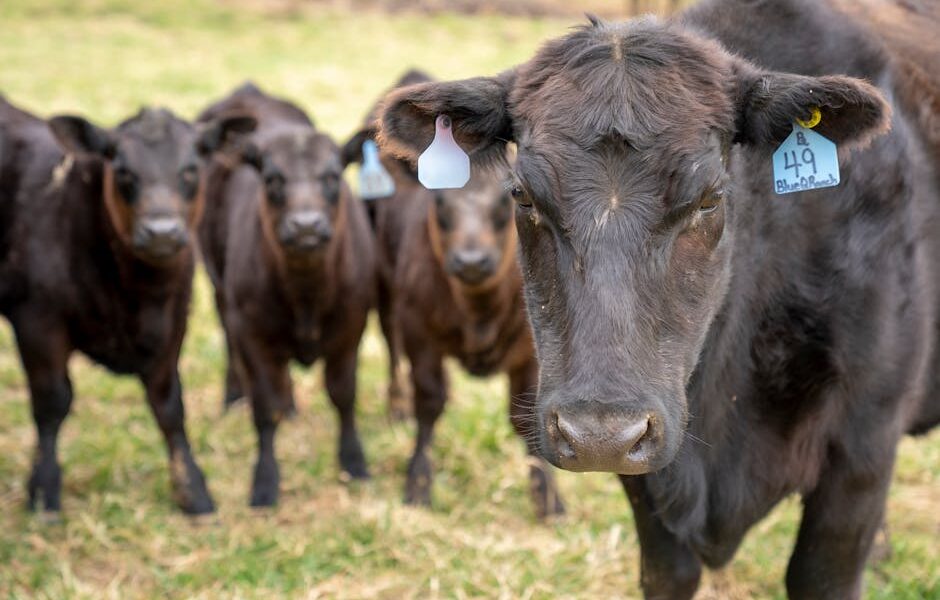
In beef cattle operations, crossbreeding programs often result in hybrid vigor that improves feed conversion ratios by 10-15%, enhancing overall farm economics.
Sustainable breeding initiatives also support long-term viability by ensuring population resilience against climate change impacts and market fluctuations.
Technological Innovations Shaping Future Breeding Strategies
Rapid advancements in biotechnology are revolutionizing animal breeding practices, opening new frontiers in genetic enhancement and disease resistance development. These innovations promise to transform traditional breeding paradigms fundamentally.
Gene editing tools like CRISPR-Cas9 enable precise modifications targeting specific traits without altering unrelated genetic material. Researchers successfully enhanced disease resistance in pigs using this technique.
Artificial intelligence applications analyze vast datasets to identify optimal breeding pairs and predict offspring performance with remarkable accuracy. Machine learning algorithms process phenotypic data alongside genomic information effectively.
Automated monitoring systems track individual animal health metrics continuously, providing real-time insights that guide breeding decisions. Wearable sensors detect subtle physiological changes indicative of potential reproductive issues.
Biobanking facilities preserve genetic material from high-performing individuals, creating insurance policies against catastrophic losses due to natural disasters or unforeseen events.
Nutritional Requirements in Reproductive Success
Optimal nutritional status plays a critical role in successful animal reproduction, influencing fertility rates, gestation outcomes, and offspring vitality across species. Balanced diets ensure proper hormonal regulation necessary for conception.
For ruminants, adequate protein intake supports follicular development in females, while sufficient energy levels maintain body condition scores vital for pregnancy maintenance. Deficiencies lead to irregular estrous cycles and poor embryo implantation.
Mineral supplementation becomes particularly important during gestation periods when demands increase dramatically. Calcium, phosphorus, and trace minerals require special attention to prevent complications during parturition.
Vitamin E deficiency has been linked to infertility problems in several livestock species. Regular dietary assessments help identify and correct such deficiencies promptly.
Water availability remains one of the most overlooked yet crucial elements affecting reproductive success. Dehydration stresses both males and females, impairing gamete quality and hormone function.
Environmental Factors Influencing Breeding Outcomes
External environmental conditions exert profound effects on breeding performance, requiring adaptive management strategies to mitigate adverse impacts. Temperature extremes challenge normal reproductive physiology across species.
Heat stress significantly impairs semen quality in boars and bulls, reducing fertilization rates and compromising embryonic survival. Cooling systems become essential in hot climates to protect reproductive integrity.
Humidity levels interact with temperature to
Vaccination schedules follow strict guidelines to protect against contagious pathogens transmitted through close contact among breeding stock. Timely immunizations build herd immunity against common infectious agents.
Parasite control programs address internal and external parasites that weaken immune responses and reduce reproductive capacity. Integrated pest management strategies combine chemical treatments with biological controls effectively.
Regular health screenings detect emerging threats before they escalate into full-blown epidemics. Routine examinations include evaluating body condition, reproductive tract health, and general wellness indicators.
Emergency preparedness plans outline response protocols for unexpected health crises, ensuring swift containment and minimizing economic losses from disease incidents.
Record Keeping and Data Analysis in Modern Breeding
Accurate record keeping serves as the foundation for evidence-based breeding decisions, enabling continuous improvement through systematic analysis of performance data. Digital databases streamline information management processes efficiently.
Electronic identification systems allow precise tracking of individual animal histories, including birthdates, parentage records, and production metrics. RFID implants facilitate automated data collection in large operations.
Data analytics software identifies trends and correlations that inform strategic breeding choices. Statistical modeling predicts future performance based on historical records accurately.
Cloud computing platforms provide secure storage solutions accessible from anywhere, supporting collaborative research efforts among breeding organizations globally.
Blockchain technology emerges as a promising tool for verifying authenticity and tracing genetic lineages transparently, strengthening consumer confidence in product origins.
Training and Education for Successful Breeding Professionals
Continuous professional development equips breeders with knowledge required to navigate evolving industry standards and technological advances. Formal education programs offer structured pathways for career progression.
Vocational training institutions specialize in practical skills related to animal husbandry, genetics, and reproductive technologies applicable to modern breeding enterprises.
Online courses provide flexible learning options for those balancing work commitments with educational pursuits. Webinars and virtual workshops expand access to expert-led instruction remotely.
Industry certifications validate competency levels, establishing credibility among peers and customers alike. Accredited programs ensure adherence to best practice guidelines consistently.
Peer-to-peer mentoring fosters knowledge sharing between experienced practitioners and newcomers entering the field, accelerating skill acquisition organically.

news is a contributor at AnimalGrow. We are committed to providing well-researched, accurate, and valuable content to our readers.