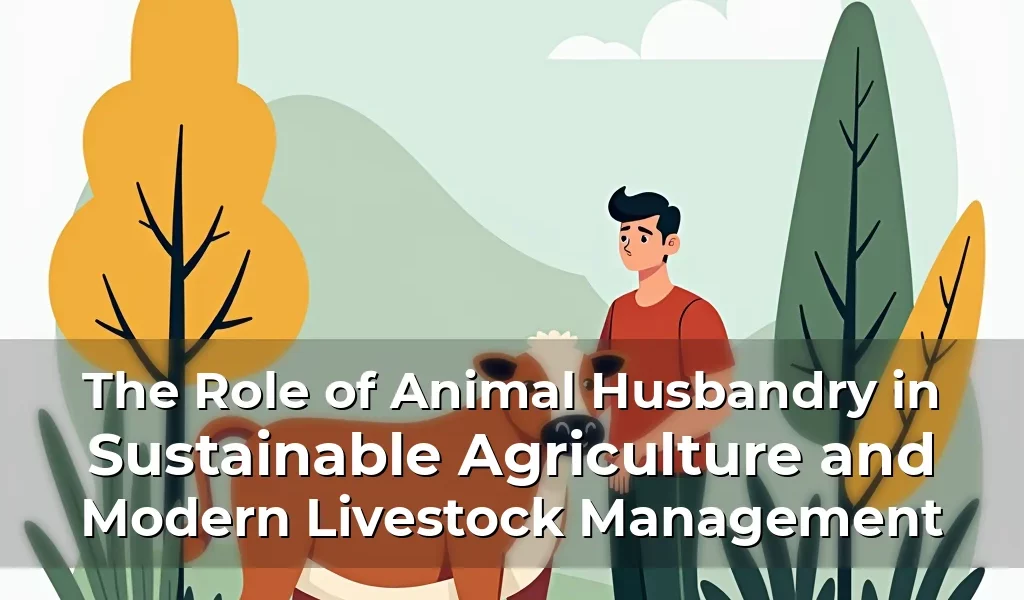
The Role of Animal Husbandry in Sustainable Agriculture and Modern Livestock Management
Animal husbandry stands as a cornerstone of global food production systems, seamlessly intertwining agriculture with livestock management. It encompasses breeding, feeding, sheltering, and healthcare of domesticated animals to optimize productivity while ensuring ethical treatment.
This practice is vital not only for meeting the rising demand for animal products but also for contributing to sustainable agricultural development worldwide. As populations grow, so does the need for efficient and environmentally responsible animal farming methods.
Evolving Practices in Contemporary Animal Farming
The modern landscape of animal husbandry has undergone significant transformation over recent decades, driven by advancements in biotechnology, nutrition science, and digital monitoring tools. Traditional practices are now supplemented with data-driven approaches that enhance efficiency and welfare standards across farms.
Crop-livestock integration exemplifies this evolution, where farmers strategically interlink plant cultivation with animal rearing processes to create closed-loop ecosystems. Such integrated systems minimize waste and maximize resource utilization through biological recycling mechanisms.
Digital technologies such as automated milking machines and GPS-guided grazing systems have revolutionized daily farm operations. These innovations reduce labor requirements while increasing precision in feed distribution and health monitoring activities.
- Biometric sensors: Continuous monitoring of body temperature, activity levels, and milk yield allows early detection of illnesses before symptoms become severe
- Precision feeding: Automated feeders adjust nutrient ratios based on real-time growth metrics and lactation stages of individual animals
- Genomic selection: Advanced DNA analysis enables breeders to predict traits like disease resistance and meat quality long before offspring reach maturity
- Data analytics platforms: Cloud-based software compiles information from various sources to generate predictive models for optimal herd performance
Sustainable Strategies for Ethical Livestock Production
In an era increasingly focused on environmental stewardship, sustainable animal husbandry emerges as both an economic imperative and ecological necessity. Farmers must balance profit motives with commitments towards soil preservation, water conservation, and carbon footprint reduction strategies.
Rotational grazing techniques demonstrate how strategic land use can significantly enhance pasture longevity and biodiversity. By systematically moving livestock between different paddocks, producers allow vegetation time to regenerate naturally without overgrazing pressure.
Fertilizer optimization plays a critical role in maintaining soil fertility while minimizing pollution risks. Integrated manure management systems convert organic waste into valuable compost rather than allowing it to contaminate surrounding environments.
Water-efficient irrigation coupled with drought-resistant fodder crops creates resilient farm infrastructures capable of enduring climate variability challenges. Precision application methods ensure that hydration needs match actual consumption rates without excess runoff issues.
Economic Benefits of Green Farming Techniques
Adopting eco-friendly methodologies often leads to substantial financial gains due to reduced input costs and improved market competitiveness. Certified organic dairy operations typically command premium prices reflective of their environmentally conscious production methods.
Agricultural economists report average returns on investment improvements ranging from 8% to 12% for farms implementing regenerative practices compared to conventional counterparts. This financial incentive motivates widespread adoption among forward-thinking agribusinesses.
Moreover, certification programs such as Global Food Safety Initiative (GFSI) provide additional revenue streams through third-party verification seals that assure consumers about product safety and sustainability credentials.
Ensuring Optimal Animal Welfare Standards
Veterinary care forms the backbone of effective animal husbandry, encompassing preventive medicine protocols, emergency response procedures, and ongoing wellness maintenance routines. Regular check-ups prevent minor health concerns from escalating into costly medical interventions later on.
Designing appropriate housing facilities considers species-specific behavioral needs. For example, free-range poultry systems offer chickens opportunities for natural scratching behaviors essential for mental stimulation and physical exercise.
Feed formulations must align precisely with nutritional requirements dictated by age groups, physiological conditions, and production goals. Overfeeding or underfeeding compromises both profitability and ethical responsibilities associated with raising healthy livestock.
Tailoring enrichment activities according to each type of animal promotes psychological well-being which directly impacts productivity outcomes. Enrichment devices stimulate cognitive engagement preventing boredom-induced destructive behaviors.
Nutritional Considerations in Livestock Feeding Programs
Crafting balanced rations requires understanding complex dietary interactions affecting digestive health and overall vitality. Feed scientists analyze nutrient profiles to determine precise combinations yielding maximal performance outputs at minimal cost expenditures.
Energy density calculations: Careful assessment determines appropriate caloric intake based on metabolic demands during gestation periods or high-yield phases when extra energy support is crucial.
Micronutrient supplementation: Deficiencies in trace elements like zinc or selenium must be proactively addressed through fortified feed additives available commercially today.
Forage versus concentrate ratio: Strategic blending of grassy feeds with grain concentrates ensures consistent digestion rates avoiding ruminal acidosis complications common in cattle raised entirely on processed diets.
Water availability: Adequate clean drinking water access remains non-negotiable component regardless of feeding strategy adopted across all types of livestock operations.
Growing Importance of Genetic Selection Processes
Breeding programs represent a powerful tool shaping future generations of farm animals through controlled selective mating techniques. This scientific approach optimizes desirable characteristics enhancing genetic diversity within herds while mitigating undesirable traits.
Artificial insemination technology provides immense flexibility allowing high-performing bovine strains to contribute genetics globally without necessitating expensive relocation logistics. Sperm banks store samples from elite bulls accessible via refrigerated transport networks reaching remote regions efficiently.
Phenotypic evaluation: Systematic observation records track visible features indicating potential lineage value, forming foundation dataset used alongside genomic testing results.
Genetic markers identification: Through sequencing technologies researchers identify gene loci linked to traits including disease susceptibility, reproductive capabilities, and production efficiency parameters.
Selection indices calculation: Mathematical formulas combine weights assigned to various traits generating composite scores guiding decisions about which individuals merit inclusion in breeding pools.
Emerging Challenges Facing Modern Animal Growers
Rising global temperatures pose new threats to traditional farming practices requiring adaptive measures addressing heat stress vulnerabilities inherent in many livestock species. Heat abatement solutions like shade structures or evaporative cooling units become necessary investments for sustained operation viability.
Emerging zoonotic diseases present constant epidemiological challenges demanding proactive biosecurity initiatives along with rapid diagnostic testing infrastructure. Quarantine zones may be established swiftly containing outbreaks before they spread beyond initial infection sites.
Antimicrobial resistance: Responsible usage guidelines help curb development of drug-resistant pathogens that could threaten both human and animal health sectors simultaneously. Prescription oversight programs promote judicious medication administration schedules.
Labor shortages: Automation adoption partially compensates workforce declines though training requirements evolve accordingly needing skilled technicians familiar with cutting-edge equipment interfaces.
Regulatory changes: Compliance mandates continuously update reflecting latest research findings regarding best management practices influencing everything from waste disposal norms to antibiotic residue thresholds acceptable in finished products.
Community Engagement and Knowledge Sharing Platforms
Establishing collaborative learning communities fosters knowledge exchange accelerating industry-wide progress toward innovation implementation. Online forums enable practitioners from diverse geographical backgrounds to share experiences overcoming similar operational hurdles face-to-face interactions would otherwise require.
Workshops featuring peer-to-peer mentoring sessions cultivate hands-on skill transfer facilitating quicker adaptation cycles as novel methodologies emerge regularly across different segments within animal production sector.
Educational outreach programs targeting younger demographics instill foundational understandings motivating future career choices in veterinary sciences or agri-tech engineering fields creating robust talent pipelines crucial for sustaining technological advances indefinitely.
Local extension services remain invaluable resources providing tailored advice customized specifically for regional climatic variations challenging uniformity assumption previously held true nationwide standardization efforts attempted earlier this century had limited success against localized constraints always present irrespective general recommendations issued centrally.
Conclusion
As demonstrated through various facets examined above, successful animal husbandry hinges upon multifaceted approach integrating technological innovation, ecological consciousness, and community collaboration. Each component contributes uniquely towards building resilient agricultural ecosystems beneficial to both producers and broader societal interests alike.
By embracing continuous improvement mindset focusing simultaneous enhancement of productivity levels alongside environmental protection objectives, contemporary growers position themselves advantageously navigating evolving marketplace dynamics successfully securing long-term viability of enterprises committed to excellence benchmarked against highest possible standards attainable currently within profession.

news is a contributor at AnimalGrow. We are committed to providing well-researched, accurate, and valuable content to our readers.