The Genetic Blueprint of Livestock: Unlocking Nature’s Secrets Through Animal Genetics
In an era where precision breeding is reshaping agriculture, understanding animal genetics has become essential for breeders, farmers, and researchers alike. From improving disease resistance to enhancing productivity traits, the science behind genetic inheritance offers powerful tools that can transform traditional farming practices.
This guide explores how modern advancements in animal genetics are revolutionizing livestock management while maintaining ethical standards and environmental sustainability. By delving into topics ranging from DNA sequencing techniques to selective breeding strategies, we uncover the potential these innovations hold for future generations of animals and their caretakers.
Foundations of Animal Genetics: Understanding Heredity and Variation
Animal genetics studies the transmission of characteristics from parents to offspring through genes located within chromosomes. These genetic units determine everything from coat color patterns to metabolic efficiencies crucial for survival under various conditions.
Genetic variation arises primarily due to mutations—random changes occurring during cell division—and recombination events taking place during meiosis when gametes form. This diversity forms the basis upon which natural selection acts, allowing species to adapt over time by favoring beneficial traits.
Breeding programs often utilize this inherent variability strategically; by selecting individuals exhibiting desirable features such as higher milk yield or improved meat quality, breeders aim at producing subsequent generations with enhanced performance metrics relevant to commercial production goals.
- Mutations: Spontaneous alterations in nucleotide sequences may introduce new phenotypes either advantageous or detrimental depending on context.
- Recombination: Exchange between homologous chromosomes increases genetic diversity among progeny produced via sexual reproduction methods.
Modern Techniques Revolutionizing Animal Breeding Practices
Advancements in biotechnology have significantly expanded our capacity to manipulate and understand animal genomes. Technologies such as whole-genome sequencing now enable scientists to identify specific loci associated with economically important traits more accurately than ever before.
These breakthroughs facilitate marker-assisted selection processes where particular genetic markers linked to desired attributes serve as indicators for predicting offspring outcomes without waiting until they reach maturity stage.
Additionally, genomic selection methodologies allow prediction models based on thousands of single nucleotide polymorphisms (SNPs) across entire genomes rather than relying solely on pedigree information traditionally used in conventional breeding schemes.
Impact of Genomic Selection on Dairy Industry
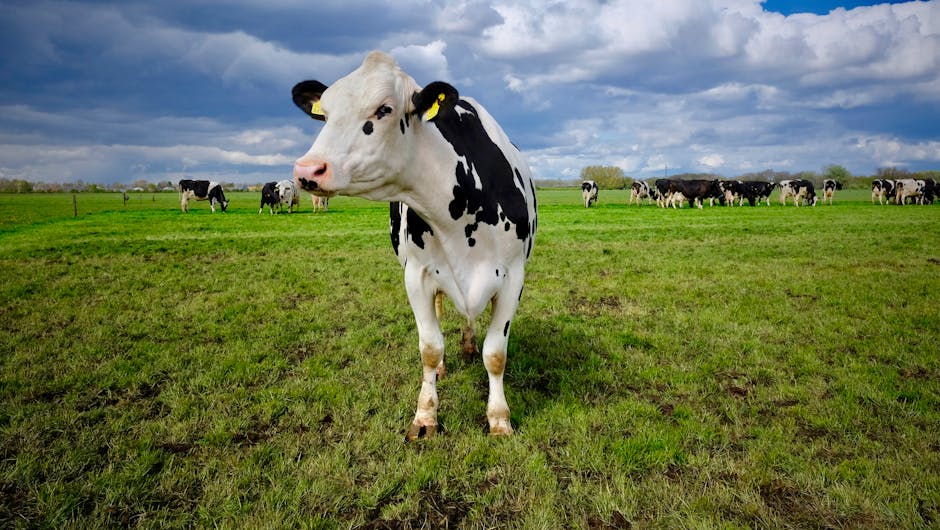
Dairy cattle operations worldwide benefit immensely from genomic technologies applied towards increasing milk yields efficiently while reducing unwanted hereditary disorders simultaneously. For instance, Holstein Friesian breeds exhibit average daily milk production rates exceeding 30 liters per cow annually thanks largely to targeted genetic improvements implemented systematically since early 20th century.
By analyzing SNP profiles obtained through high-density chips covering millions of base pairs across bovine genomes, dairy producers can make informed decisions regarding which bulls’ semen samples should be prioritized for artificial insemination procedures aimed at achieving optimal herd performance levels consistently year-round.
Role of Epigenetics in Shaping Phenotypic Expression
While classical Mendelian principles govern basic inheritance mechanisms involving dominant-recessive allele interactions, epigenetic modifications add another layer complexity influencing gene expression without altering underlying DNA sequence itself.
Methylation patterns along CpG islands regulate accessibility of transcription factors binding sites thereby modulating activity states of corresponding genes responsible for diverse physiological functions including stress responses and immune system development pathways.
Environmental influences play critical role here too; nutritional status experienced prenatally might lead permanent epigenetic marks affecting adult health outcomes related metabolism regulation aspects particularly pertinent considering current global challenges concerning climate change impacts on agricultural systems.
Ethical Considerations Surrounding Genetic Manipulation
As technological capabilities grow exponentially alongside computational power availability facilitating complex data analysis routines necessary for interpreting vast quantities of biological datasets generated routinely today, ethical dilemmas surrounding application boundaries emerge inevitably.
Potential concerns include unintended consequences arising from transgenic interventions introducing foreign genetic material potentially disrupting native regulatory networks leading unpredictable side effects impacting both individual organisms involved as well broader ecosystems dependent upon them for ecological balance maintenance purposes.
Moreover, issues around ownership rights regarding novel genetic constructs created artificially raise legal questions about who holds intellectual property claims especially when dealing cross-border collaborations requiring international agreements governing knowledge sharing protocols effectively.
Case Studies Highlighting Successful Applications
Cattle ranches utilizing genomic testing services report substantial gains in reproductive efficiency measures evidenced by reduced calving intervals combined increased calf survivability percentages observed post implementation phases typically spanning several years.
Australian sheep farms employing selective breeding focused on wool fineness parameters achieved notable enhancements reflected in premium pricing opportunities secured because finer fibers command higher market values compared coarser alternatives available commercially.
In aquaculture sectors specifically salmon fisheries adopting advanced breeding programs resulted dramatic improvements feed conversion ratios meaning less input required generating same output volumes previously necessitating greater resource expenditures.
Fostering Collaboration Between Stakeholders In Advancing Field Further
Interdisciplinary partnerships uniting academic institutions industry leaders governmental bodies create synergistic environments conducive innovation growth fostering sustainable progress aligned long-term objectives benefiting all parties engaged process.
Research initiatives funded public-private sector cooperation pave way cutting-edge discoveries applicable real-world scenarios addressing pressing needs faced contemporary agribusiness landscape characterized rapid technological evolution demands constant adaptation strategies ensuring resilience amidst uncertainties posed external factors beyond direct control enterprises operating within domain.
Data-sharing platforms established collaborative frameworks enhance transparency promote trust amongst participants enabling efficient exchange resources expertise accelerating pace discovery translating scientific findings practical solutions deployed operational settings promptly.
Future Prospects And Emerging Trends Within Animal Genetics Sector
Ongoing developments synthetic biology converge animal genetics disciplines unlocking unprecedented possibilities manipulating life forms according precise specifications envisionable prior recent decades.
Gene editing tools CRISPR-Cas9 technology offer precise modification abilities targeting exact nucleotide positions minimizing off-target effects inherently present older mutagenesis approaches utilized earlier stages evolutionary history human intervention shaping nature’s blueprint selectively.
Integration machine learning algorithms analyze voluminous dataset extract meaningful correlations predict trait expressions probabilities aiding decision-making processes optimizing selection criteria dynamically adapting changing environmental pressures encountered evolving landscapes inhabited domesticated species.
Furthermore, advances personalized nutrition plans derived genomic profiling results cater individual requirements promoting healthier lifestyles mitigating chronic diseases prevalence populations subjected intensive farming regimens historically associated suboptimal living conditions deleterious health implications later life stages.
Conclusion
Animal genetics stands at intersection science innovation ethics offering transformative potential reshape agricultural paradigms sustainably meet escalating demand food security challenges facing planet today tomorrow.
To fully harness benefits emerging technologies, stakeholders must prioritize education dissemination best practices ensuring equitable access resources empowering communities leverage knowledge drive positive change sectors reliant biodiversity preservation economic stability intertwined with societal welfare aspirations globally shared.

news is a contributor at AnimalGrow. We are committed to providing well-researched, accurate, and valuable content to our readers.