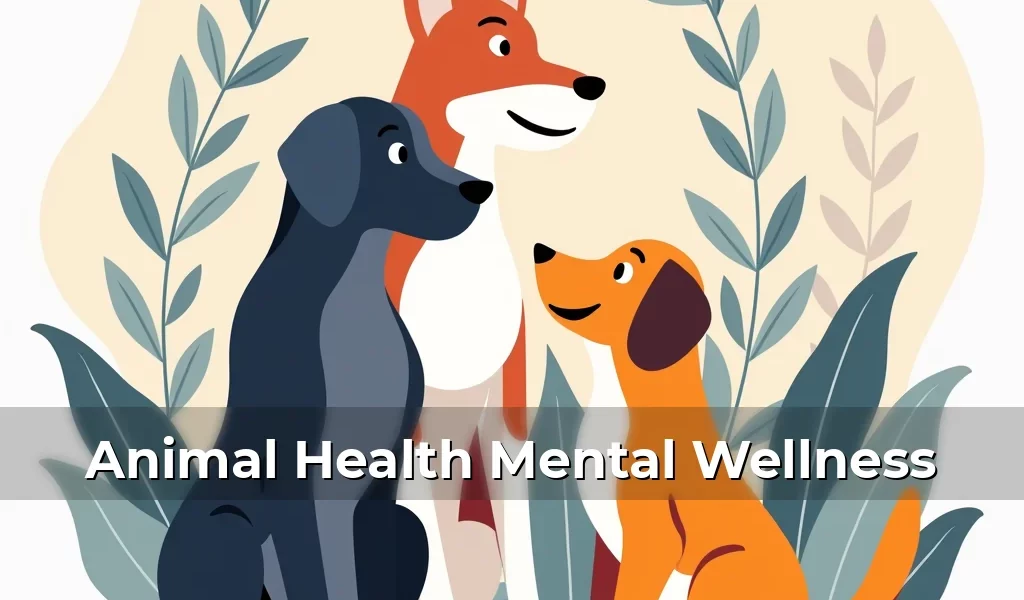
Animal Health Mental Wellness
In today’s rapidly evolving world, maintaining the overall well-being of animals extends far beyond basic medical care. Animal health encompasses a holistic approach that integrates physical vitality with mental and emotional stability. As stewards of our planet’s diverse fauna, we must prioritize innovative strategies to nurture both body and mind.
This guide explores cutting-edge methodologies to enhance animal health, emphasizing mental wellness alongside conventional treatments. From behavioral science to advanced nutritional research, modern approaches offer transformative ways to support creatures ranging from domestic pets to livestock and wildlife. Understanding these principles empowers caretakers to foster thriving ecosystems for all beings.
The Foundations of Holistic Animal Care
Holistic animal care recognizes that true health arises from balance among physiological, psychological, and environmental factors. Traditional veterinary medicine often focuses narrowly on treating symptoms, whereas integrative practices address root causes. This shift reflects growing awareness of how interconnected systems impact long-term wellness.
Mental wellness plays a pivotal role in an animal’s quality of life. Chronic stress, anxiety, or boredom can manifest physically through weakened immunity, digestive issues, or aggressive behaviors. Conversely, environments rich in stimulation promote resilience and longevity. Prioritizing mental health prevents cascading effects that compromise bodily functions.
- Nutrition: Tailored diets provide essential nutrients that fuel brain function and reduce inflammation linked to mood disorders.
- Social Interaction: Social bonds strengthen neural pathways associated with happiness, reducing isolation-induced distress in group-housed animals.
- Environmental Enrichment: Novel stimuli prevent monotony, encouraging natural instincts and curbing destructive habits born of frustration.
Understanding Behavioral Indicators of Distress
Capturing early signs of psychological imbalance enables timely intervention. Animals communicate discomfort through subtle changes in behavior rather than explicit language. Observing these cues allows caregivers to implement corrective measures before conditions escalate.
Persistent withdrawal from social groups, excessive grooming, or repetitive pacing may signal underlying stressors. In livestock settings, reduced feed intake or altered movement patterns can indicate poor mental states. Recognizing these signals demands attentiveness and familiarity with normal behavioral baselines.
Case Studies in Behavior Analysis
A study on zoo primates revealed that enriched enclosures significantly decreased stereotypic behaviors compared to barren habitats. These findings underscore the importance of spatial complexity in mitigating captive-related stress. Similarly, dogs exhibiting separation anxiety showed improved coping mechanisms after gradual desensitization training programs.
For farm animals, research highlights how rotational grazing systems reduce crowding pressures, leading to lower cortisol levels. Such data reinforces the value of adaptive management practices in fostering mentally resilient herds and flocks.
Innovations in Veterinary Psychology
Veterinary psychology emerges as a specialized field addressing emotional and cognitive challenges faced by animals. Professionals trained in this discipline employ therapeutic interventions akin to human psychiatry, adapting therapies to suit interspecies communication styles.
Technological advancements enable remote monitoring of stress indicators via wearable sensors tracking heart rate variability and activity levels. Data analytics help identify trends that inform personalized treatment plans. Virtual reality simulations are being tested for rehabilitating injured wildlife by recreating natural environments digitally.
- Fear Reduction Protocols: Gradual exposure therapy helps anxious animals acclimate to novel situations safely.
- Cognitive Enhancement Programs: Puzzle toys and scent trails stimulate problem-solving abilities, preventing intellectual stagnation.
- Sensory Integration Therapy: Calming music and aromatherapy alleviate nervous system hyperarousal in stressed individuals.
Nutritional Strategies for Cognitive Function
Dietary choices profoundly influence neurological development and maintenance. Essential fatty acids found in fish oil boost synaptic plasticity, enhancing learning capabilities. Antioxidants combat oxidative damage that accelerates age-related cognitive decline in senior animals.
Supplementing meals with probiotics supports gut-brain axis integrity, linking digestion to mental state regulation. Certain herbs like ashwagandha show promise in modulating stress responses without adverse side effects commonly seen with pharmaceutical alternatives.
Species-Specific Nutritional Needs
Rabbits require high-fiber diets to maintain gastrointestinal motility, which indirectly affects serotonin production—a neurotransmitter vital for mood stabilization. Reptiles benefit from vitamin D supplementation to regulate calcium metabolism, impacting bone density and overall vigor.
Marine mammals demand precise mineral balances to sustain deep diving capacities, which correlate with oxygen efficiency during prolonged exertion. Customized feeding regimens ensure optimal performance while minimizing metabolic strain from improper nourishment.
Exercise Regimens for Physical and Psychological Wellbeing
Regular physical activity strengthens cardiovascular systems while releasing endorphins that elevate mood. Structured play sessions mimic predatory instincts in carnivores, providing outlets for energy expenditure otherwise directed toward destructive chewing or digging.
Canines thrive on varied exercise routines combining agility courses with obedience training. Equids respond positively to turnout time in pastures, benefiting from unstructured exploration that mirrors ancestral roaming patterns. Even sedentary species like tortoises derive advantages from controlled basking cycles promoting circadian rhythm alignment.
- Cardiovascular Fitness: Aerobic exercises enhance circulation, reducing risk of hypertension-linked organ diseases.
- Musculoskeletal Development: Weight-bearing activities build bone mass, crucial for aging populations prone to osteoporosis.
- Social Play: Group activities reinforce bonding, teaching cooperation skills through shared challenges.
Ecotherapy: Nature-Based Interventions
Exposure to green spaces reduces cortisol levels in both humans and animals alike. Ecotherapy leverages natural landscapes to mitigate urban stress syndromes observed increasingly in captive populations. Incorporating botanical gardens into rehabilitation centers provides restorative experiences for recovering patients.
Water features such as ponds or streams serve dual purposes—they supply hydration sources and act as calming agents due to their soothing sounds. Integrating native plant species encourages pollinators to visit, enriching biodiversity while offering educational opportunities about ecological interdependence.
Biodiversity Benefits for Animal Minds
Studies demonstrate that birds exposed to diverse vegetation exhibit better memory retention than those confined to monoculture zones. Amphibians raised near water bodies display enhanced survival rates due to instinctive recognition of safe microhabitats. Promoting habitat heterogeneity thus becomes integral to mental healthcare frameworks.
Urban planners incorporating wildlife corridors into city designs observe increased wildlife sightings, suggesting positive impacts on creature welfare. These connections affirm that thoughtful landscape architecture contributes meaningfully to psychosomatic healing processes across taxa.
Preventive Healthcare Through Proactive Monitoring
Early detection of anomalies relies heavily on routine check-ups and continuous observation protocols. Digital tools now allow real-time tracking of vital signs, flagging irregularities requiring immediate attention. Preventive care saves resources by averting costly treatments later down the line.
Vaccination schedules remain foundational to public health initiatives, protecting vulnerable communities from zoonotic threats. Parasite control regimes safeguard internal organs from chronic infestations that weaken immune defenses over time. Regular deworming procedures become particularly critical in multi-species facilities where cross-contamination risks exist.
- Telemedicine Platforms: Remote consultations expand access to specialist advice regardless of geographical constraints.
- Data Analytics Tools: Predictive modeling identifies outbreak hotspots ahead of symptomatic presentations.
- Community Education Campaigns: Training modules teach laypeople effective first aid techniques applicable to common emergencies.
Emergency Preparedness for Sudden Crises
Crisis scenarios demand rapid response protocols pre-established through drills and scenario-based training. Emergency kits stocked with essentials like bandages, antiseptic wipes, and restraint devices enable prompt action until professional assistance arrives.
Disaster preparedness involves mapping evacuation routes specific to different terrain types. Shelter-in-place guidelines vary depending on whether the threat originates externally (wildfires) versus internally (chemical spills). Cross-training staff members ensures continuity during staffing shortages caused by unforeseen events.
Psychological First Aid Techniques
Calm presence is paramount when handling traumatized individuals. Soft-spoken reassurance combined with gentle touch calms agitated subjects. Creating quiet zones shields sensitive souls from overwhelming sensory input during chaotic times.
Trauma recovery phases necessitate gradual reintroduction to former environments. Exposure timelines depend on individual progress assessments conducted regularly. Professional counseling services assist survivors grappling with post-traumatic adjustment periods.
Building Resilience Through Lifelong Learning
Ongoing education equips caretakers with updated knowledge about evolving best practices. Workshops covering new research findings ensure applicability of theories in real-world contexts. Mentorship programs facilitate knowledge transfer between generations of practitioners.
Curiosity drives innovation in solving complex problems affecting global animal populations. Encouraging scientific inquiry among students cultivates future leaders capable of tackling unprecedented challenges facing conservation efforts worldwide. Scholarships supporting graduate studies in related fields expand talent pipelines crucial for sustained advancement.
Conclusion
Animal health represents a multifaceted endeavor demanding attention to biological, psychological, and environmental dimensions simultaneously. By integrating modern discoveries with time-tested wisdom, we pave paths toward healthier coexistence between humanity and nature’s other inhabitants.
To contribute effectively to this mission, commit yourself to lifelong learning through formal education channels and informal experiential gains alike. Stay informed about breakthroughs shaping tomorrow’s standards of excellence in animal care. Your dedication ripples outward, influencing countless lives across species lines daily.

news is a contributor at AnimalGrow. We are committed to providing well-researched, accurate, and valuable content to our readers.