Deciphering the Hidden Language of Animals: A Journey Through Behavioral Cues
The intricate dance of survival and social interaction among animals has fascinated scientists and nature enthusiasts alike for centuries. From the subtle flick of a lizard’s tail to the thunderous roar of a lion, every action tells a story written in the language of instinct.
This exploration delves into the fascinating world of animal behavior, revealing how creatures communicate, adapt, and interact through complex behavioral patterns. Understanding these behaviors not only deepens our appreciation for wildlife but also holds practical implications for conservation efforts and pet care.
The Science Behind Animal Actions
Animal behavior is shaped by both innate instincts and learned experiences, creating a dynamic interplay between genetics and environment. This dual influence explains why some species exhibit remarkably consistent behaviors across generations while others display impressive learning capabilities.
Researchers use ethology as the primary framework for studying animal behavior. Ethologists observe natural habitats without interference, documenting patterns that reveal crucial information about survival strategies and social structures.
The study involves systematic observation techniques such as focal sampling, where researchers track individual animals over time, and scan sampling, which records group behaviors at regular intervals. These methods help identify normal behavioral ranges and detect anomalies indicating stress or illness.
- Innate Behaviors: Instinctual actions present from birth, such as a spider spinning its web or a bird building a nest
- Learned Behaviors: Skills acquired through experience, including migration routes, tool use, and complex problem-solving tasks
- Social Learning: Knowledge transfer within groups, seen in dolphin communication systems and primate cultural traditions
Modern technology enhances traditional observations through GPS tracking devices, camera traps, and bioacoustic monitoring equipment. These tools provide unprecedented data about movement patterns, vocalizations, and habitat usage without disturbing natural behaviors.
By analyzing these data sets alongside genetic information, scientists can trace evolutionary adaptations linking current behaviors to ancient survival mechanisms. This holistic approach reveals how environmental pressures shape behavioral traits over millennia.
Communication Strategies Across Species
Animal communication spans a vast spectrum of modalities, each evolved to suit specific ecological niches. Some species rely primarily on visual signals while others have developed sophisticated auditory languages.
Vocal communication is particularly well-developed in birds and marine mammals. Birds use songs for territory defense and mate attraction, with some species possessing dialects similar to human regional accents.
Cetaceans demonstrate remarkable complexity in their sound production, using clicks, whistles, and body slaps to convey messages across great distances underwater. Research suggests that humpback whale songs may contain elements resembling musical structure.
Versatile Visual Signals
Coloration plays a vital role in many forms of interspecies communication. Brightly colored poison dart frogs warn predators of their toxicity, while cuttlefish change skin pigmentation instantaneously for camouflage and courtship displays.
Movement-based communication includes elaborate dances observed in certain bird species during mating rituals. The peacock’s extravagant feather display is a classic example of sexual selection driving behavioral evolution.
Bodily postures often serve as non-verbal cues conveying aggression or submission. In wolves, raised fur along the back indicates threat posture, whereas tucked tails signal deference within the pack hierarchy.
Chemical signaling through pheromones influences reproductive cycles and colony organization in insects. Ant colonies maintain cohesion through chemical trails marking food sources and identifying nestmates.
The Social Fabric of Animal Communities
Many animal species form structured societies governed by strict hierarchies and cooperative behaviors. These social systems enhance survival chances through collective resource management and shared vigilance against threats.
Honeybee colonies exemplify highly organized social structures, with division of labor based on age-related physiological changes. Worker bees progress through distinct roles from nursing young to foraging for nectar as they mature.
Prominent examples include meerkats whose sentinel system ensures safety for the entire group. One member remains alert while others forage, demonstrating altruistic behavior that benefits the whole population.
Primates showcase advanced social intelligence through grooming sessions that reinforce bonds and establish alliances. Chimpanzee communities engage in coalition-building activities essential for maintaining dominance structures.
Marine mammals like dolphins develop long-term relationships characterized by synchronized swimming patterns and cooperative hunting strategies passed down through generations.
Adaptive Behaviors in Changing Environments
Animals constantly modify their behaviors to cope with shifting environmental conditions. These adaptive responses range from seasonal migrations to innovative problem-solving when faced with new challenges.
Studies document polar bears adjusting denning habits due to melting sea ice, seeking alternative shelter locations closer to land. Such behavioral flexibility demonstrates resilience in the face of climate change impacts.
Crows and ravens exhibit exceptional cognitive abilities, crafting tools from available materials to extract food from difficult-to-reach places. Their ability to solve novel problems highlights avian intelligence comparable to primates.
Oceanic fish populations show rapid behavioral adaptation following coral bleaching events, altering feeding patterns and migration routes to compensate for disrupted ecosystems.
Some amphibians have begun breeding earlier than historical norms to synchronize reproduction with changing rainfall patterns, showcasing phenotypic plasticity in response to environmental shifts.
Behavioral Indicators of Health and Stress
Observing animal behavior provides critical insights into their physical condition and emotional state. Changes in routine activities often precede visible signs of illness or distress.
Altered eating habits, decreased activity levels, and abnormal interactions with conspecifics are early warning indicators of health issues. Zookeepers monitor these parameters closely to ensure timely veterinary intervention.
Zoo environments require careful behavioral enrichment programs to prevent boredom-induced stereotypies. Providing puzzle feeders and varied stimulation helps maintain psychological wellbeing in captive settings.
Wildlife rehabilitators assess recovery progress by observing voluntary participation in natural behaviors rather than relying solely on clinical metrics. Successful reintegration depends on restoring instinctive responses.
Stress-related behaviors manifest differently depending on species. Rodents might barber their cage mates’ fur, while big cats may pace excessively around enclosures, indicating chronic anxiety states.
The Role of Play in Development
Playful interactions serve essential developmental functions across various animal taxa. This spontaneous behavior contributes significantly to skill acquisition and social bonding.
Young lions engage in mock battles that refine stalking techniques and build muscle strength necessary for future hunts. These exercises mimic actual predatory scenarios safely.
Octopuses exhibit playful curiosity by manipulating objects and exploring their surroundings, demonstrating cognitive engagement beyond mere survival needs.
Canids utilize play to establish social ranks and practice cooperation skills. Wolf pups learn bite inhibition through gentle mouthing games, crucial for successful pack dynamics.
Research shows that deprived animals lacking access to play opportunities display impaired social development and reduced problem-solving abilities later in life.
Human Impact on Animal Behavior
Anthropogenic factors increasingly influence animal behaviors worldwide, sometimes leading to unexpected adaptations or maladaptive responses. Urbanization presents particular challenges requiring behavioral adjustments.
Nocturnal animals in cities often shift activity times to avoid human presence, resulting in altered circadian rhythms. These changes affect feeding schedules and reproductive success rates.
Artificial light pollution disrupts migratory patterns in birds and modifies breeding behaviors in nocturnal species. Some studies suggest increased mortality rates linked to disorientation caused by urban lighting.
Coastal developments force marine life to modify diving depths and foraging areas, impacting energy expenditure and nutritional intake. Dolphins near busy harbors adjust echolocation frequencies to penetrate noisy waters.
Conservationists work to mitigate negative effects by designing wildlife corridors connecting fragmented habitats. These passages allow safe passage for dispersing individuals maintaining healthy population dynamics.
Fostering Better Human-Animal Relationships
Improved understanding of animal behavior leads to better welfare outcomes in captivity and stronger coexistence in shared environments. Applying knowledge from scientific research enhances care practices significantly.
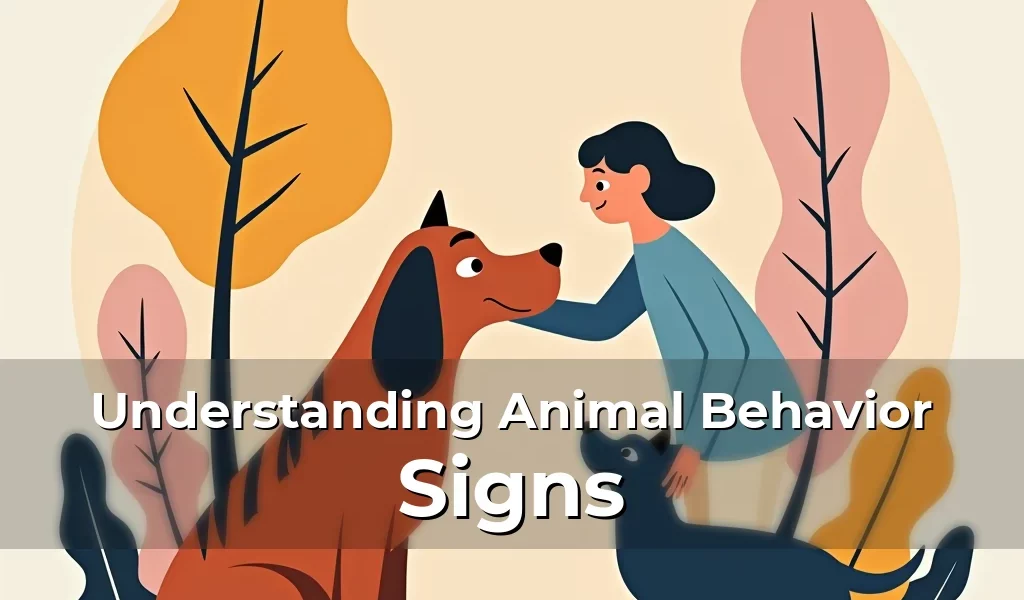
Educational programs teaching responsible pet ownership emphasize recognizing behavioral cues indicating discomfort or distress. This awareness prevents misunderstandings that could lead to improper handling or training methods.
Wildlife sanctuaries implement enrichment protocols based on species-specific behavioral repertoires, ensuring mental stimulation aligns with natural tendencies. Customized environments promote authentic expressions of wild behaviors.
Community education initiatives raise awareness about local fauna, encouraging respectful interactions instead of disruptive encounters. People become ambassadors for biodiversity through informed participation.
Collaborative projects involving citizen science contribute valuable data about urban wildlife behaviors, supporting conservation strategies tailored to modern landscapes.
Conclusion
The study of animal behavior offers profound insights into the interconnectedness of all living beings. By deciphering these natural communications, we gain deeper respect for the complexities of life beyond our own species.
Continued research and mindful application of behavioral knowledge empower us to create harmonious relationships with animals, whether as companions, neighbors, or subjects of scientific inquiry. Embracing this understanding enriches our lives and safeguards the rich tapestry of global biodiversity.

news is a contributor at AnimalGrow. We are committed to providing well-researched, accurate, and valuable content to our readers.