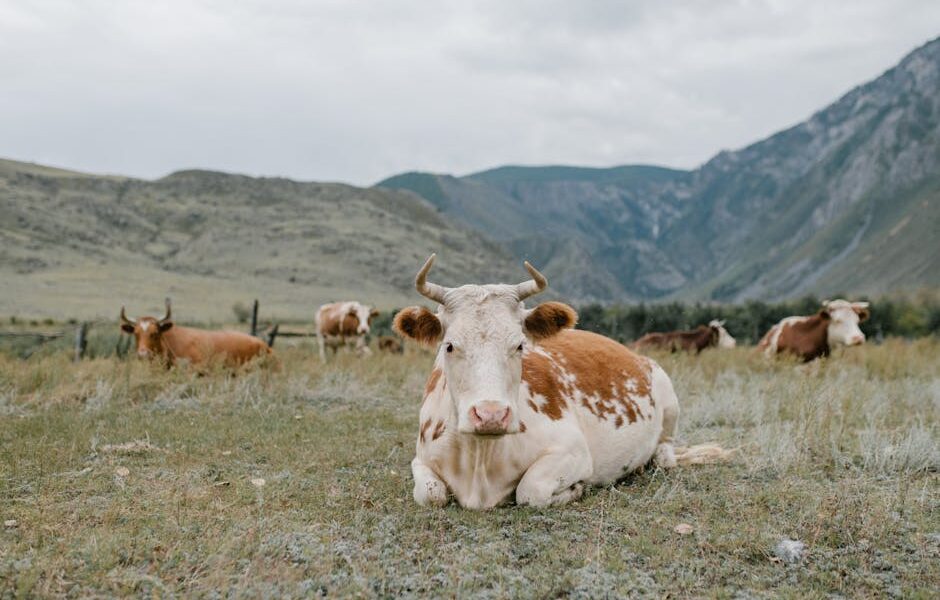
The Vital Role of Farm Animals in Sustainable Agriculture and Rural Communities
Farm animals have been integral to human civilization for thousands of years, providing essential resources that sustain both people and ecosystems. From ancient times to modern agricultural practices, these creatures play a crucial role in food production, soil fertility, and rural economies.
As we navigate contemporary challenges such as climate change and food security, understanding the multifaceted contributions of farm animals becomes increasingly vital. Their impact extends far beyond mere livestock management; they are key players in sustainable farming systems worldwide.
The Historical Significance of Domesticated Livestock
Humans first domesticated animals around 10,000 BCE during the Neolithic Revolution, marking a pivotal shift from nomadic hunter-gatherer societies to settled agricultural communities. This transformation enabled stable food supplies and population growth across various regions of the world.
Cattle, sheep, goats, pigs, and chickens were among the earliest domesticated species due to their adaptability and utility. These animals provided meat, milk, wool, labor, and even companionship, forming the backbone of early civilizations’ survival strategies.
- Cattle: Used for plowing fields, transportation, and producing dairy products like milk and cheese
- Sheep and Goats: Valuable sources of wool, meat, and milk while also contributing to land management through grazing
- Pigs: Efficient converters of feed to protein, often raised in smaller-scale operations
- Chickens: Primary source of eggs and poultry meat, adaptable to diverse environments
Economic Contributions of Farm Animals to Global Food Systems
Agricultural economies rely heavily on livestock production to meet global demand for animal-based foods. In 2023 alone, over 6 billion chickens, 1.5 billion cattle, and nearly 1 billion swine populated farms worldwide, highlighting their significance in food supply chains.
Livestock contributes approximately 25% of total global food calories, with beef accounting for nearly half of this share. The economic value generated by farm animals supports millions of jobs in breeding, feeding, processing, and distributing animal products globally.
In developing countries, smallholder farmers depend on livestock for income generation and household nutrition. A single dairy cow can provide enough milk to support an entire family’s dietary needs while generating surplus for sale at local markets.
Beyond direct consumption, farm animals contribute indirectly through manure, which serves as organic fertilizer enriching soils with nutrients like nitrogen, phosphorus, and potassium. This natural fertilization process reduces reliance on synthetic chemicals and promotes long-term soil health.
Environmental Benefits and Challenges of Raising Farm Animals
When managed responsibly, farm animals offer several environmental benefits including carbon sequestration, biodiversity conservation, and waste recycling. Grazing animals help maintain grassland ecosystems by preventing overgrowth and promoting plant diversity.
However, intensive livestock operations pose significant environmental risks. Methane emissions from ruminants contribute to greenhouse gas concentrations, while improper manure management can lead to water pollution through nutrient runoff. Balancing productivity with ecological stewardship remains a critical challenge for modern agriculture.
Sustainable practices such as rotational grazing, integrated crop-livestock systems, and agroforestry can mitigate many negative impacts. For example, silvopastoral systems combine tree planting with livestock grazing to enhance carbon storage and habitat creation simultaneously.
According to the FAO, adopting improved pasture management techniques could reduce methane emissions by up to 30% while improving livestock performance and profitability for farmers. Such innovations demonstrate how traditional knowledge combined with scientific advancements can create win-win solutions.
Nutritional Value of Animal Products Across Cultures
Different cultures derive varied nutritional benefits from consuming different types of farm animals. Beef provides high-quality protein rich in iron and zinc, whereas chicken breast offers lean protein with lower saturated fat content compared to red meats.
Dairy products like milk, cheese, and yogurt contain calcium, vitamin D, and probiotics beneficial for bone health and gut microbiota balance. Eggs are particularly valued for their complete protein profile containing all nine essential amino acids.
In many Asian cuisines, pork is commonly consumed alongside vegetables and soy-based proteins to achieve balanced diets. Traditional Japanese fermentation methods transform fish and seaweed into nutrient-dense condiments used extensively in cooking.
Indigenous communities often practice holistic approaches where animal husbandry integrates seamlessly with other food sources like wild harvesting and aquaculture. These diversified systems ensure year-round availability of nutritious foods tailored to local conditions.
Raise Your Standards: Modern Innovations in Animal Husbandry
Advancements in biotechnology and precision agriculture have revolutionized modern animal husbandry. Genetic selection now allows breeders to develop disease-resistant strains capable of thriving under challenging climatic conditions without compromising yield potential.
Automated milking machines equipped with sensors monitor udder health and optimize milk extraction efficiency. Similarly, computer-controlled feed dispensers adjust nutrient intake based on individual animal requirements, minimizing waste and maximizing growth rates.
Veterinary science has made remarkable strides in preventive healthcare measures. Vaccination programs targeting common pathogens protect herds against infectious diseases that would otherwise cause substantial losses in productivity and mortality rates.
Data analytics platforms enable real-time monitoring of herd behavior patterns using wearable devices. Early detection of anomalies helps veterinarians intervene promptly before issues escalate into full-blown health crises affecting entire populations.
Community Impact and Cultural Significance of Farm Animals
Farm animals hold deep cultural meanings within various societies shaping traditions, festivals, and social structures. In some African tribes, cattle ownership signifies wealth status comparable to monetary assets held elsewhere.
Religious rituals frequently incorporate sacrificial offerings involving specific breeds or colors of livestock. These ceremonies reinforce communal bonds through shared experiences centered around spiritual beliefs and moral values.
Local fairs and rodeos celebrate the athleticism and versatility of working animals through competitive events showcasing skills developed over generations of selective breeding practices. Such gatherings foster intergenerational learning opportunities between experienced ranchers and young enthusiasts.
Educational institutions use farm animals as teaching tools demonstrating biological processes observable firsthand rather than solely relying on textbook illustrations. Hands-on interaction enhances student engagement when studying topics related to anatomy, reproduction cycles, and ecosystem dynamics.
Ensuring Ethical Treatment and Welfare Standards
Maintaining ethical standards requires implementing scientifically validated welfare protocols addressing physical comfort, mental well-being, and freedom from suffering. Regular veterinary check-ups prevent illnesses from progressing to debilitating stages requiring costly interventions later.
Proper housing designs consider thermal regulation needs ensuring animals remain comfortable regardless of external weather fluctuations. Ventilation systems control ammonia levels reducing respiratory problems associated with poor air quality in confined spaces.
Enrichment activities stimulate natural behaviors mitigating stress caused by prolonged confinement situations. Providing access to outdoor areas encourages exercise routines mirroring those found in wild counterparts enhancing overall fitness levels naturally.
Transparent labeling initiatives empower consumers making informed choices aligned with personal ethics regarding treatment conditions endured by animals prior to reaching supermarket shelves. Certifications like Certified Humane or Free Range verify compliance with strict industry benchmarks set forth by independent organizations.
Conclusion
Farm animals represent much more than simple commodities within our complex food system; they embody centuries-old wisdom intertwined with cutting-edge innovation advancing sustainability goals globally.
To cultivate resilient agricultural landscapes benefiting future generations, continued investment must be directed towards research supporting regenerative practices prioritizing both planetary health and humane treatment of living beings entrusted upon us carelessly.
“`

news is a contributor at AnimalGrow. We are committed to providing well-researched, accurate, and valuable content to our readers.