The Resilience of the Pet Industry
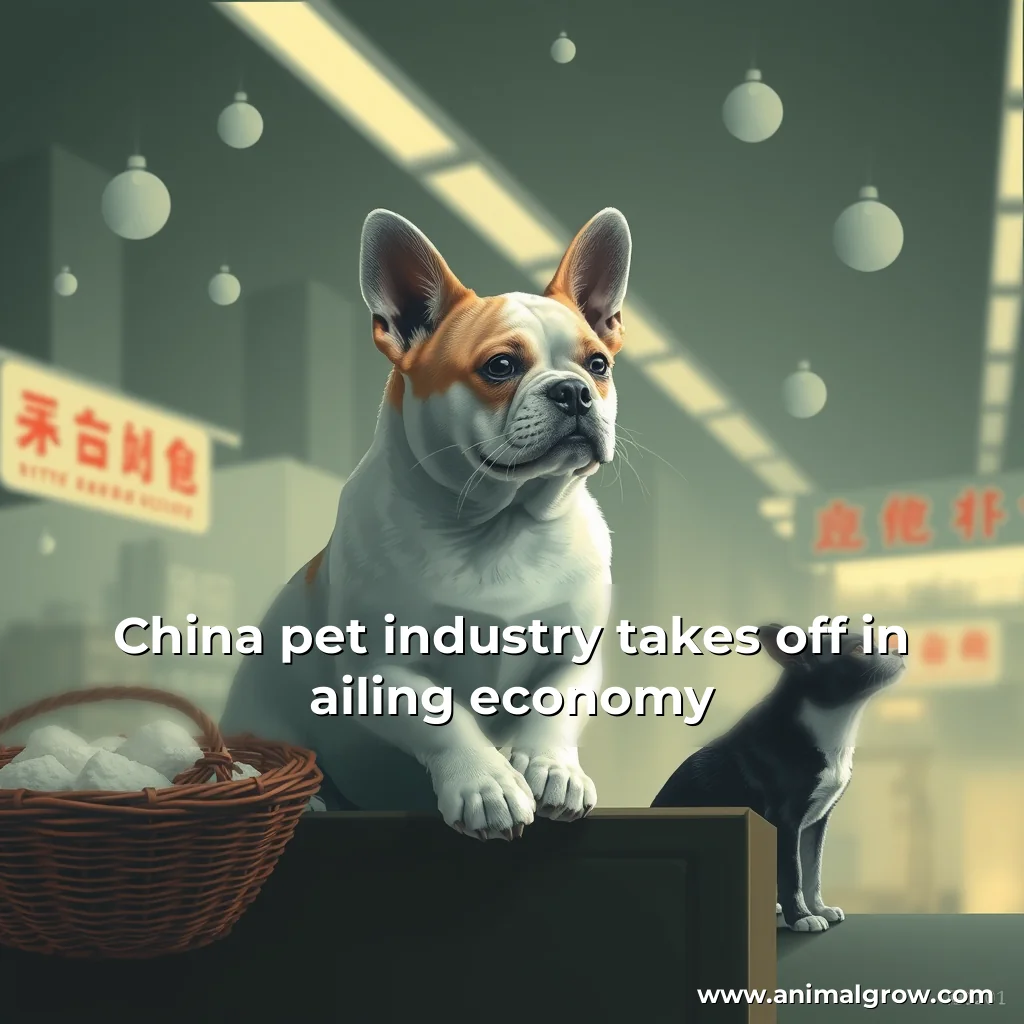
Despite the economic challenges facing China, the pet industry has shown remarkable resilience. According to a report by Euromonitor International, the Chinese pet market has grown at a compound annual growth rate (CAGR) of 12.4% from 2015 to 2020, outpacing the global average. This growth can be attributed to several factors, including:
The Rise of Pet Ownership
The growth of the pet industry in China can be attributed to the increasing popularity of pet ownership. According to a survey by the Chinese Pet Industry Association, the number of pet owners in China has grown from 12.4 million in 2015 to 44.4 million in 2020.
The Exotic Pet Trade in China
Despite the concerns raised by animal rights groups, the exotic pet trade continues to thrive in China. The country’s large population and growing middle class have created a demand for unique and exotic pets. Many young people in China are drawn to the idea of owning a rare or unusual animal, such as a snake, a monkey, or a tiger. Some of the most popular exotic pets in China include: + Snakes (over 100 species) + Monkeys (over 20 species) + Tigers (some species are kept as pets) + Birds (many species, including parrots and macaws) + Reptiles (lizards, turtles, and alligators)
The Health Risks
The exotic pet trade has raised concerns about the health risks associated with owning unusual animals. Many exotic pets can carry diseases that can be transmitted to humans, such as rabies, salmonella, and leptospirosis. In addition, some exotic pets may require specialized care and housing that can be difficult to provide in a home environment.
“But what they don’t realize is that this little guy is actually a very strong and fierce warrior.”
The Unlikely Hero of the Animal Kingdom
In the heart of the Australian outback, a meerkat named Zoe has captured the hearts of many with her adorable appearance and endearing personality. However, what sets Zoe apart from other meerkats is her unique ability to withstand extreme temperatures and her fearless attitude towards predators.
Zoe’s Unconventional Strength
Zoe’s owner, a wildlife expert named Zhao, has been studying the meerkat’s behavior and physiology for years. According to Zhao, Zoe’s strength is not just physical, but also mental. “Many people, as soon as they see this, feel that it’s soft, cuddly and extremely cute,” she says. “But what they don’t realize is that this little guy is actually a very strong and fierce warrior.”
Zoe’s Fearless Attitude
Zoe’s fearless attitude towards predators is another aspect of her personality that sets her apart from other meerkats. According to Zhao, Zoe is not afraid of any predator, no matter how large or fierce. “She’s like a little general, always on the lookout for potential threats and ready to defend herself at a moment’s notice,” she says.
“The pet industry is expected to reach $75 billion by 2030, with the number of pets in China expected to reach 640 million by 2030.”
The Rise of the Chinese Pet Industry
A Growing Market
The Chinese pet industry is experiencing rapid growth, driven by increasing disposable income and a growing middle class. According to Goldman Sachs, the number of pets in China is expected to reach 640 million by 2030, more than double the number of young children in the country. The pet industry is expected to reach $75 billion by 2030, making it a significant contributor to China’s economy. The growth of the pet industry is driven by increasing demand for premium pet food, pet services, and pet-related products.
“I’ve seen many customers come in and buy cats because they’re going through a tough time in their lives.”
The Rise of Cat Sellers in China
In recent years, the number of cat sellers in China has seen a significant increase. This trend is not limited to any particular region or demographic, but rather is a nationwide phenomenon.
Factors Contributing to the Rise
Several factors have contributed to the rise of cat sellers in China. These include:
While this can be a great idea, it’s essential to consider the long-term commitment and responsibilities that come with pet ownership.
Understanding the Long-Term Commitment of Pet Ownership
When considering getting a pet for your child, it’s crucial to think about the long-term commitment involved. Pets require regular care and attention, including feeding, grooming, and exercise. This can be a significant responsibility for parents, especially if they have multiple children or other family members who may also be involved in pet care. Some pets, such as dogs, require daily walks and training sessions, while others, like cats, may need less attention but still require regular feeding and litter box maintenance.

news is a contributor at AnimalGrow. We are committed to providing well-researched, accurate, and valuable content to our readers.