**Understanding the Impact of Cattle on Methane Emissions**
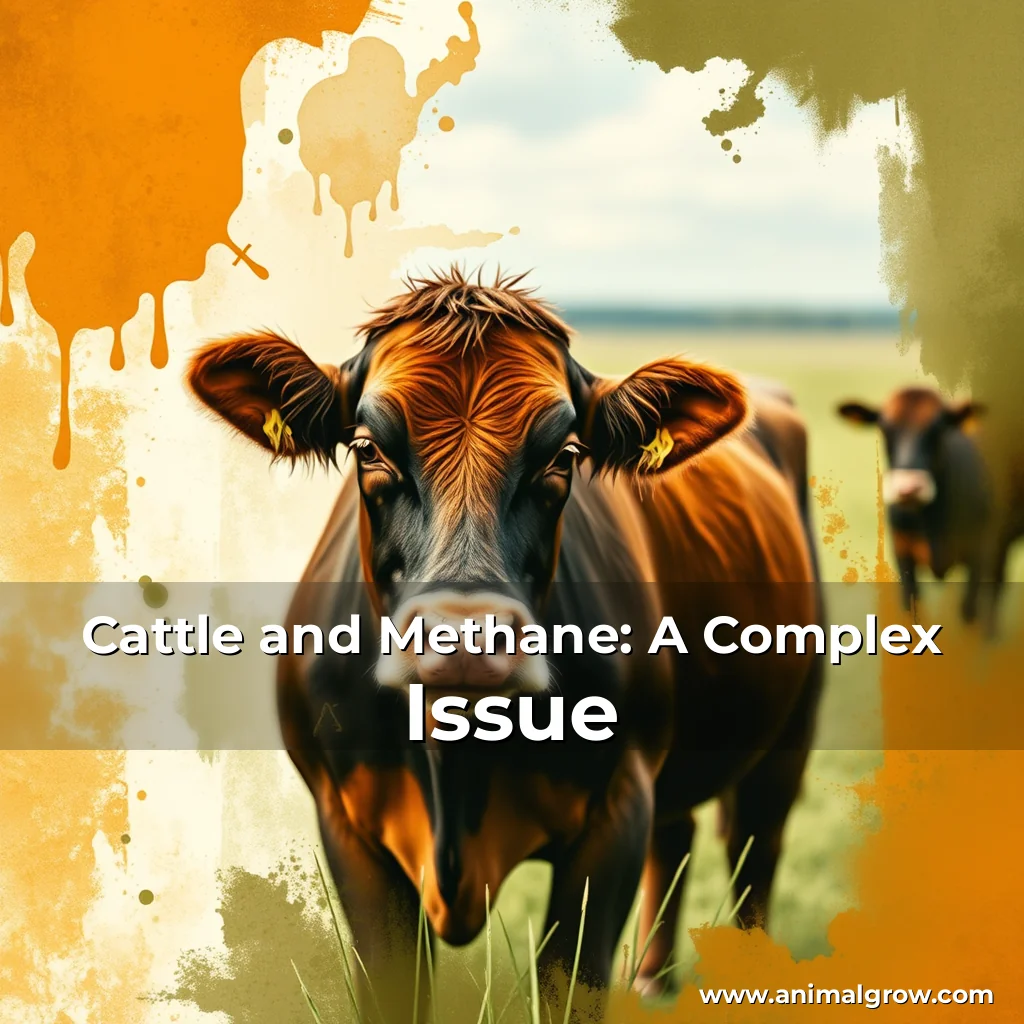
Methane is a potent greenhouse gas that contributes significantly to climate change. Cattle, in particular, are a major source of methane emissions due to their digestive processes. Researchers are now exploring ways to breed cattle that naturally produce less methane, which could have a significant impact on the environment and the beef industry.
The Role of Genetics in Reducing Methane Emissions
Genetics professor Matt Spangler of the University of Nebraska is leading a North American team that aims to identify cattle breeds with a genetic trait that allows them to emit less methane. Spangler believes that some cattle may have an inherent trait that reduces methane production, and that this trait is heritable.
“We’re talking about incremental changes that can have large impacts,” said Spangler. “Even a reduction of one or two percent in methane emissions could add up and make a significant difference.”
Collaboration and Funding
The University of Nebraska–Lincoln is joining a new $27.4 million global initiative, backed by the Bezos Earth Fund and the Global Methane Hub. This initiative will support research and breeding programs to identify and scale climate-efficient livestock across North America, South America, Europe, Africa, and Oceania.
- The University of Nebraska–Lincoln team will focus on collecting and analyzing methane data from beef cattle to better understand the role genetics plays in methane production and its relationship with traits of economic importance to cattle producers.
- Other major research efforts at the university are aimed at reducing methane emissions in livestock, including a $5 million U.S. Department of Agriculture-funded project and a $5 million initiative funded through the university’s Grand Challenges program.
Benefits for Consumers and Producers
The research could create new tools for the beef industry, including genetic tools that allow producers to identify and select for cattle with lower methane emissions. This could lead to lower production costs and more efficient beef production.
- Lower production costs could translate to affordable prices for consumers.
- More efficient beef production could lead to improved animal health and feed efficiency.
- Reduced methane emissions could have a positive impact on the environment and help to mitigate climate change.
Developing Practical Tools and Management Practices
The research also aims to develop accurate, affordable methods to measure greenhouse gas emissions from grazing cattle. This could lead to improved sustainability in grazing systems and more effective management practices.
| Project Title | Collecting and Analyzing Methane Data from Beef Cattle | Funding | Location |
| Project Lead | Matt Spangler, Genetics Professor | $2.34 million | University of Nebraska–Lincoln |
Conclusion
The research on breeding cattle that naturally produce less methane is an exciting and important area of study. By identifying and scaling climate-efficient livestock, we can reduce greenhouse gas emissions and help to mitigate climate change. The benefits for consumers and producers will be significant, with lower production costs and more efficient beef production leading to improved animal health, feed efficiency, and sustainability in grazing systems.

news is a contributor at AnimalGrow. We are committed to providing well-researched, accurate, and valuable content to our readers.