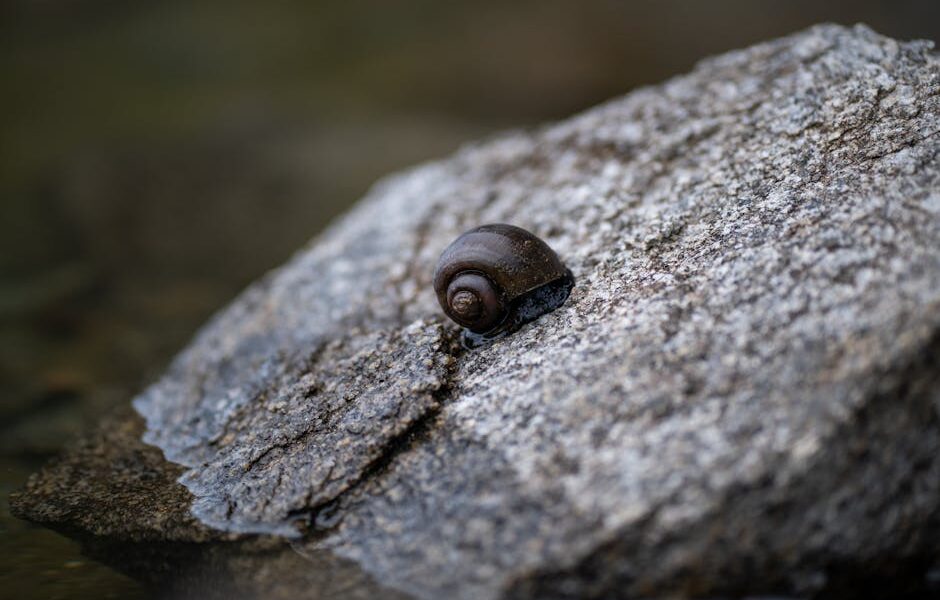
Snails are unpretentious pets, because they do not require frequent feeding and a special diet. Even the simplest food that can be found in the kitchen will suit them. The nutrition of these creatures depends on where the mollusk lives – in water or on land. Also, some species are predators, which must be considered when feeding. There are a number of products that are strictly prohibited for domestic snails.
land snails
In nature, land gastropods eat plant foods, herbs, plant fruits, and even bark. Many species do not eat fresh vegetation, but slightly rotted.
Snails cope with tough food with the help of a special apparatus – a radula, which is thousands of tiny teeth.
Domestic molluscs feed on juicy plant foods: fruits, vegetables, grass, leaves, mushrooms. Almost all snails love fruits.
At the pet store, you can buy a specialized feed mixture for terrestrial mollusks, consisting of powdered cereals, protein components and calcium supplements.
Gastropods must be given foods containing calcium. In the wild, snails get enough of this mineral, but at home they lack it. If the mollusk does not receive calcium, its shell will begin to break down. The source of the substance can be ordinary cottage cheese. If the pet refuses it, you can give him white chalk without paint.
Another way to saturate the clam’s diet with calcium is to put eggshells into the aquarium, previously broken into small pieces or passed through a coffee grinder. In the pet store you can buy a special mineral supplement with calcium for snails – sepia.
The clam drink is poured into a bowl or simply moistened with a spray bottle.
Achatina
The basic rule of feeding Achatina is to provide them with plant foods, animal proteins and mineral supplements. Shellfish are absolutely contraindicated in human dishes, including bread. You need to make sure that the pet does not get to the newspapers. Snails eat them with great pleasure and then die. They also should not be given salt and citrus fruits.
The main food of Achatina is vegetable: grass, leaves, fruits, vegetables and greens. They are very fond of lettuce and other green parts of plants, including beet tops.
In the diet as additives to green leaves should be present :
- pumpkin;
- carrot;
- zucchini;
- tomatoes;
- peas;
- cabbage.
In the pet store you can find special flakes for vegetarian fish and offer them to Achatina.
A snail can be capricious – eat some foods and avoid others. Many individuals prefer Beijing cabbage to any food. Soft vegetables and fruits are best cut into slices, and hard foods should be grated or mashed . Food should be at room temperature. Calcium is given to shellfish in the form of chalk or eggshells, ground into powder. If a pharmacy is chosen, you need to make sure that the composition of the drug does not contain sodium.
Achatina requires a small amount of animal protein for normal development. Occasionally, you can pamper the mollusk with fish food or mashed meat products, carefully making sure that there is no salt in the top dressing. As a protein supplement, it is allowed to give snails meat and bone meal 2 times a week.
In winter, Achatina is fed with more high-calorie food. Wheat bran and oatmeal are added to leafy vegetables and fruits. You can give frozen vegetables and berries.
For drinking in molluscaria (containers for keeping snails), a shallow bowl of water is installed, since a land mollusk can drown. The water level should not exceed 1 cm. The water should be changed daily.
grape
Grape snails eat mostly live outdoor plants. They are even agricultural pests, as they destroy young parts of crops, in particular grapes. At home, grape snails can eat vegetables and fruits.
They need calcium supplements. From protein supplements, dried daphnia and fresh bloodworms will be useful. Grape snails are very fond of soaked bread, but they need to give this product occasionally and little by little.
The following food will not work:
- citrus;
- sorrel;
- onion;
- radish;
- radish;
- eggs;
- cottage cheese;
- cheese;
- flour products.
List of suitable products:
- fresh cucumbers;
- cabbage;
- salad;
- zucchini;
- apples;
- carrot;
- leaves of grapes, dandelion, plantain, burdock.
Aquarium inhabitants
Most aquarium snails are vegetarians, but there are also predators. Vegetarian snails living in the aquatic environment feed mainly on plaque that covers the walls of the container, stones and plants. With a lack of this food, they begin to eat up the food left by the fish. Because of this way of feeding, herbivorous coils, physies and snails are very useful in the aquarium, as they keep it clean.
Carnivorous helens eat other snails. They can be fed with melania, coils, physes. Helena does not eat dry food or pellets for bottom fish and does not pay attention to zucchini, cucumbers and other vegetables. If there are no live mollusks, boiled meat of shrimp, squid and mussels can be used to feed predatory snails. Boiled beef heart and liver will do. Meat products are cut and boiled in boiling water for 15-20 minutes.
Occasionally, you can feed Helen with boiled chicken eggs and frozen minced chicken liver and heart. If snails are kept in a common aquarium, they are given food in the evening after the lights are turned off so that the fish do not eat it.
River snails at home
In a lake or river, you can collect pond snails, coils or other mollusks. River snails should not be planted in an aquarium with fish, as dangerous parasites can live on gastropods.
In the aquarium, pets swim or crawl along the walls and eat fish food and rotten aquarium plants. You can give them algae tablets and chopped vegetables. Snails do not touch live plants in the aquarium, but if there is not enough food, the mollusks will have no choice – they will start eating them, starting with broad-leaved ones.

Grow is a contributor at AnimalGrow. We are committed to providing well-researched, accurate, and valuable content to our readers.