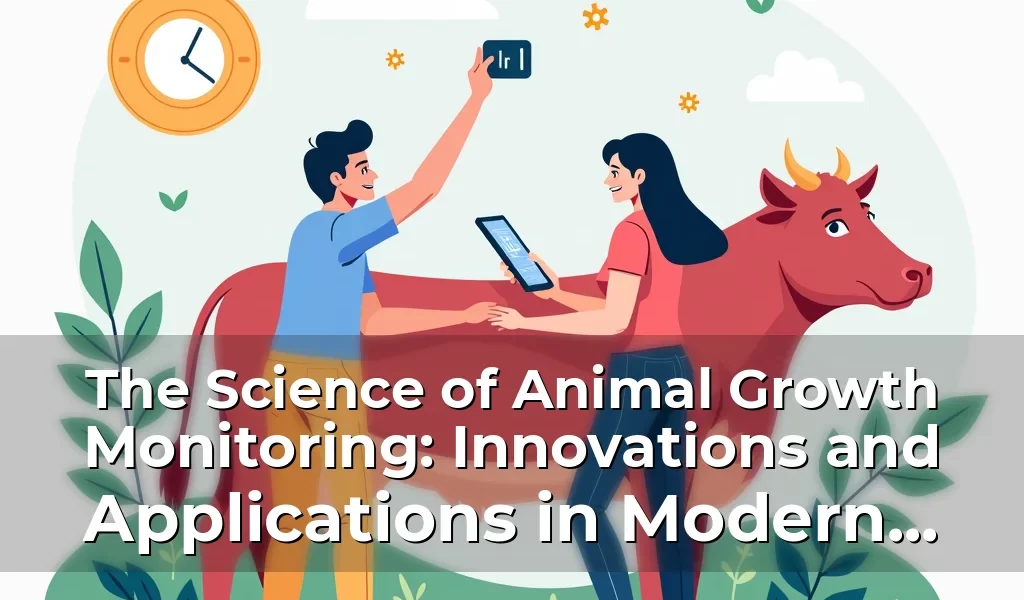
The Science of Animal Growth Monitoring: Innovations and Applications in Modern Livestock Management
In an era where precision agriculture is redefining traditional farming practices, animal growth monitoring has emerged as a cornerstone of modern livestock management. By leveraging cutting-edge technology and data-driven strategies, farmers can now track individual animal performance with unprecedented accuracy. This approach not only enhances productivity but also ensures ethical treatment by identifying health issues early.
Gone are the days when visual inspections were the sole means of assessing animal well-being. Today’s advanced systems combine biometric sensors, artificial intelligence, and real-time analytics to create dynamic profiles that guide feeding programs, breeding decisions, and veterinary interventions. These innovations are transforming how we understand and manage animal growth across various species and environments.
Fundamental Principles of Animal Growth Monitoring
Animal growth monitoring begins with understanding key physiological parameters that indicate healthy development. Weight gain, body condition scoring, feed conversion ratios, and daily activity levels form the foundation of effective tracking systems. These metrics provide critical insights into both individual and herd-level performance trends.
Data collection methods have evolved significantly over recent years. Traditional manual weighing techniques are being replaced by automated scales integrated within feeding stations. Similarly, RFID implants and wearable devices enable continuous monitoring without disrupting normal animal behavior patterns.
- Biometric Sensors: Devices that measure vital signs such as heart rate, respiration rates, and temperature offer early detection capabilities for potential illnesses before visible symptoms appear.
- Feed Intake Analysis: Smart feeders equipped with image recognition software accurately quantify consumption while analyzing nutritional intake efficiency through bite-by-bite analysis.
Cross-species applicability remains a crucial consideration in system design. While dairy cows benefit from specialized milking parlor integration features, poultry operations require compact sensor solutions suitable for high-density housing conditions. Customizable platforms ensure optimal functionality across different farm ecosystems.
Environmental factors play an equally significant role in shaping growth outcomes. Temperature fluctuations, humidity levels, and light exposure must be factored into predictive models since they directly influence metabolic processes and overall vitality. Integrated climate control systems help maintain ideal living conditions tailored to each species’ requirements.
Technological Advancements Driving Growth Monitoring Evolution
The digital revolution has ushered in transformative changes in animal husbandry through innovative technologies. IoT-enabled devices now facilitate seamless communication between monitoring equipment and central data repositories, enabling instant access to critical information at any time.
Machine learning algorithms process vast amounts of biological data to identify subtle growth anomalies that might otherwise go unnoticed during routine checks. Predictive modeling allows producers to anticipate challenges before they become full-blown crises, minimizing economic losses associated with poor health or suboptimal production.
Cloud-based storage solutions ensure secure, scalable data management infrastructure capable of handling complex datasets generated by modern farms. Real-time dashboards display current status updates alongside historical comparisons, empowering decision-makers with actionable intelligence for strategic planning.
Emerging Technologies Shaping Future Practices
Recent advancements in genetic sequencing promise personalized nutrition plans based on an animal’s unique DNA profile. Researchers are developing targeted feed formulations that optimize nutrient absorption according to individual genomic markers, maximizing growth efficiency while reducing waste.
Drones equipped with multispectral imaging cameras survey large grazing areas efficiently, detecting stress indicators in herds through behavioral pattern recognition. Thermal imaging technology identifies sick animals by highlighting abnormal body temperatures against background heat signatures.
Bioacoustic monitoring systems analyze vocalizations to assess emotional states and pain levels non-invasively. These auditory cues provide early warnings about discomfort or distress long before physical manifestations occur, allowing timely intervention measures.
Implementing Effective Growth Monitoring Systems
A successful implementation requires careful planning aligned with specific operational goals. Begin by defining clear objectives such as improving milk yield percentages, enhancing meat quality attributes, or reducing mortality rates among young stock populations.
Conduct thorough audits of existing facilities to determine compatibility with new technologies. Consider infrastructure upgrades necessary for installing hardware components like automated watering systems, smart fencing solutions, or upgraded electrical networks supporting advanced instrumentation.
Staff training programs ensure smooth transition periods during system deployment phases. Cross-functional teams comprising veterinarians, agronomists, IT specialists, and frontline workers collaborate closely to address technical challenges and adapt protocols accordingly.
Pilot testing validates system effectiveness before full-scale rollout. Small-scale trials allow adjustments to calibration settings, user interface configurations, and alert thresholds based on actual field experiences rather than theoretical assumptions.
Economic Implications of Advanced Growth Monitoring
While initial investment costs may seem daunting, return-on-investment calculations often reveal substantial long-term benefits. Improved weight gains translate directly into higher market values for finished products, while reduced disease incidence lowers veterinary expenses and medication costs.
Data-driven optimization minimizes resource wastage through precise ration formulation strategies. Accurate inventory forecasting prevents unnecessary purchases while ensuring adequate supplies meet fluctuating demand patterns dictated by seasonal variations or unexpected events.
Labor cost savings arise from automation features that reduce manual inspection requirements. Intelligent sorting mechanisms streamline processing workflows, decreasing time spent on grading activities typically performed manually by human crews.
Insurance providers increasingly recognize value in farms employing robust monitoring systems. Enhanced risk mitigation strategies qualify operators for premium discounts, further offsetting capital expenditures required for technological adoption.
Sustainability Benefits Through Precision Monitoring
Animal growth monitoring contributes meaningfully to environmental conservation efforts by promoting sustainable agricultural practices. Optimized feeding regimens minimize greenhouse gas emissions associated with excess food waste decomposition processes.
Water usage becomes more efficient as intelligent irrigation systems respond dynamically to hydration needs indicated by real-time biometric readings. Reduced runoff pollution occurs due to better nutrient distribution matching actual consumption patterns instead of arbitrary application schedules.
Land use efficiency improves significantly when rotational grazing patterns align precisely with growth cycle stages tracked via satellite imagery overlays. Targeted supplementation reduces reliance on synthetic fertilizers, maintaining soil fertility naturally through organic matter replenishment cycles.
Carbon footprint reduction initiatives benefit from accurate methane emission measurements obtained through breath analysis tools deployed strategically around enclosures. This granular level of atmospheric impact assessment supports participation in carbon credit trading schemes available globally today.
Ethical Considerations in Animal Growth Monitoring
Maintaining welfare standards remains paramount even as technology advances rapidly. Ethical frameworks guide responsible implementation ensuring no undue stress results from constant surveillance or intrusive measurement procedures.
Transparency protocols mandate disclosure policies regarding data collection purposes and sharing arrangements with third-party entities involved in research collaborations or regulatory compliance verification processes.
Animals must retain natural behaviors unimpeded by monitoring apparatuses designed primarily for observation rather than restriction. Design principles emphasize minimal interference approaches whenever possible.
Regular independent audits verify adherence to humane treatment guidelines established by recognized industry authorities specializing in animal care ethics. Certification programs validate ongoing commitment to upholding these essential values consistently across all operations.
Future Directions in Animal Growth Monitoring Research
Ongoing scientific investigations explore novel applications for nanotechnology in growth enhancement studies. Microscopic biosensors embedded within edible materials could continuously monitor internal organ functions providing unprecedented insight into digestive physiology.
Quantum computing simulations predict protein synthesis pathways under varying dietary regimes, guiding creation of ultra-efficient feed formulas tailored specifically to each breed’s biochemical characteristics. These breakthroughs represent next-generation advancements poised to redefine future possibilities entirely.
Collaborative global research projects aim to standardize data formats facilitating international knowledge exchange. Interoperable platforms will enable cross-border comparative analyses revealing universal best practices applicable universally regardless of geographic location differences.
Educational institutions develop curriculum enhancements integrating emerging methodologies into training modules preparing tomorrow’s professionals adeptly handle evolving technological landscapes shaping contemporary agriculture sectors worldwide.
Conclusion
The evolution of animal growth monitoring reflects broader shifts toward data-centric approaches reshaping every facet of modern agriculture. As technology continues advancing rapidly, its impact on livestock management will only grow more profound over coming decades.
By embracing these innovations thoughtfully while remaining mindful of ethical implications, stakeholders position themselves advantageously within this dynamic landscape. Continuous learning and adaptation remain essential traits for success amidst ever-changing technological frontiers facing the agribusiness sector collectively.

news is a contributor at AnimalGrow. We are committed to providing well-researched, accurate, and valuable content to our readers.