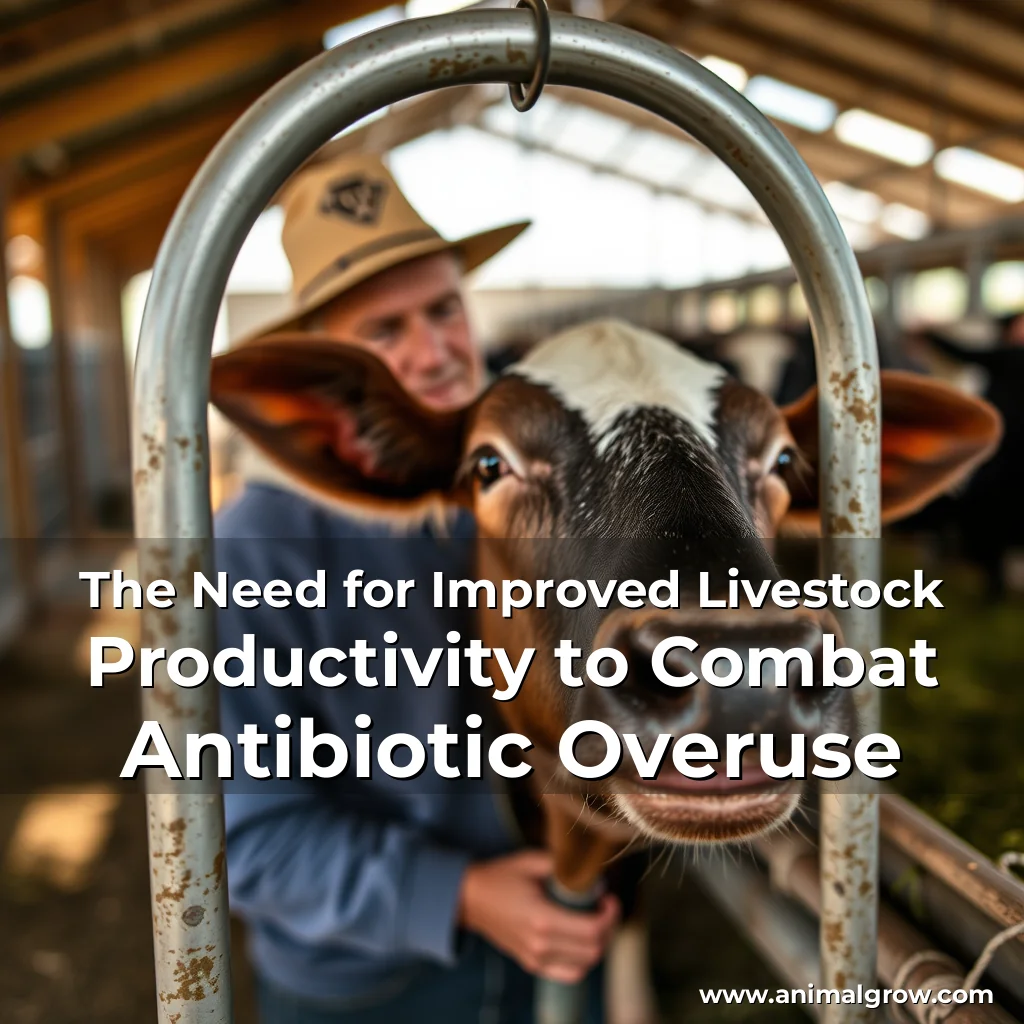
The alarming rise in global antibiotic use in livestock has sparked intense debate among policymakers, scientists, and the general public. A recent study led by the Food and Agriculture Organisation (FAO) of the United Nations has shed new light on the issue, highlighting the need for targeted interventions to improve livestock productivity and reduce antibiotic use. The study, titled “The Future of Antibiotic Use in Livestock,” presents a stark warning: without concerted efforts, antibiotic use in livestock is projected to increase by nearly 30% by 2040. However, the research also offers a glimmer of hope, suggesting that strategic productivity gains in livestock systems could cut projected antibiotic use by half.
- Under a business-as-usual scenario, global livestock antibiotic use is projected to rise to 143,481 tonnes by 2040, an overall increase of 30% from 2019.
- However, alternative scenarios indicate that antibiotic use could be reduced by up to 57% if livestock productivity is optimised.
- By improving animal health, management practices, and production efficiency, antibiotic use could be lowered to about 62,000 tonnes by 2040, demonstrating the potential of targeted interventions in achieving global reduction goals.
According to Alejandro Acosta, Livestock Economist at FAO and lead author of the study, “Enhancing livestock production efficiency is key to curbing antibiotic use.” He believes that by producing more animal-sourced food with the same or fewer animals, we can reduce the need for antibiotics on farmed animals while strengthening global food security. This message resonates with global commitments to combat Antimicrobial Resistance (AMR). The 2024 UN General Assembly AMR Declaration calls for a significant reduction in antimicrobial use in farm food systems by 2030. Achieving this goal poses considerable challenges, especially in regions where livestock production is expanding to meet growing food demand.
“Stakeholders across the livestock sector must work together to improve disease prevention, strengthen monitoring systems, and invest in innovations that enhance animal health while reducing reliance on antibiotics,”
emphasised Junxia Song, Senior Animal Health Officer at FAO and co-author of the study. In Pakistan, traditional farming practices have shifted towards intensive farming methods that rely heavily on the use of antimicrobials to ensure productivity, profitability, and animal health. The country has identified its priority areas for tackling foodborne AMR and is actively implementing several projects. These key areas include:
- Collaboration with various organisations to deliver AMR awareness training for farmers
- Improving AMR surveillance in food animals
- Advocating for legislation to prohibit/phase out antimicrobial growth promoters in animal production
The FAO report highlights the importance of addressing AMR in Pakistan, where the country’s growing population is putting pressure on the livestock sector. By implementing these strategies, Pakistan can make significant strides in reducing antibiotic use and combating AMR. In conclusion, the study’s findings underscore the need for improved livestock productivity to combat antibiotic overuse. By working together, stakeholders across the livestock sector can make a meaningful impact on reducing antibiotic use and strengthening global food security.
| Key Takeaways | Implications |
|---|---|
| Strategic productivity gains in livestock systems can cut projected antibiotic use by half. | |
| Improving animal health, management practices, and production efficiency can lower antibiotic use to about 62,000 tonnes by 2040. |
The study’s results demonstrate the potential of targeted interventions in achieving global reduction goals. By working together, stakeholders can make a significant impact on reducing antibiotic use and combating AMR. The future of antibiotic use in livestock is in our hands, and it’s time to take action.

news is a contributor at AnimalGrow. We are committed to providing well-researched, accurate, and valuable content to our readers.