


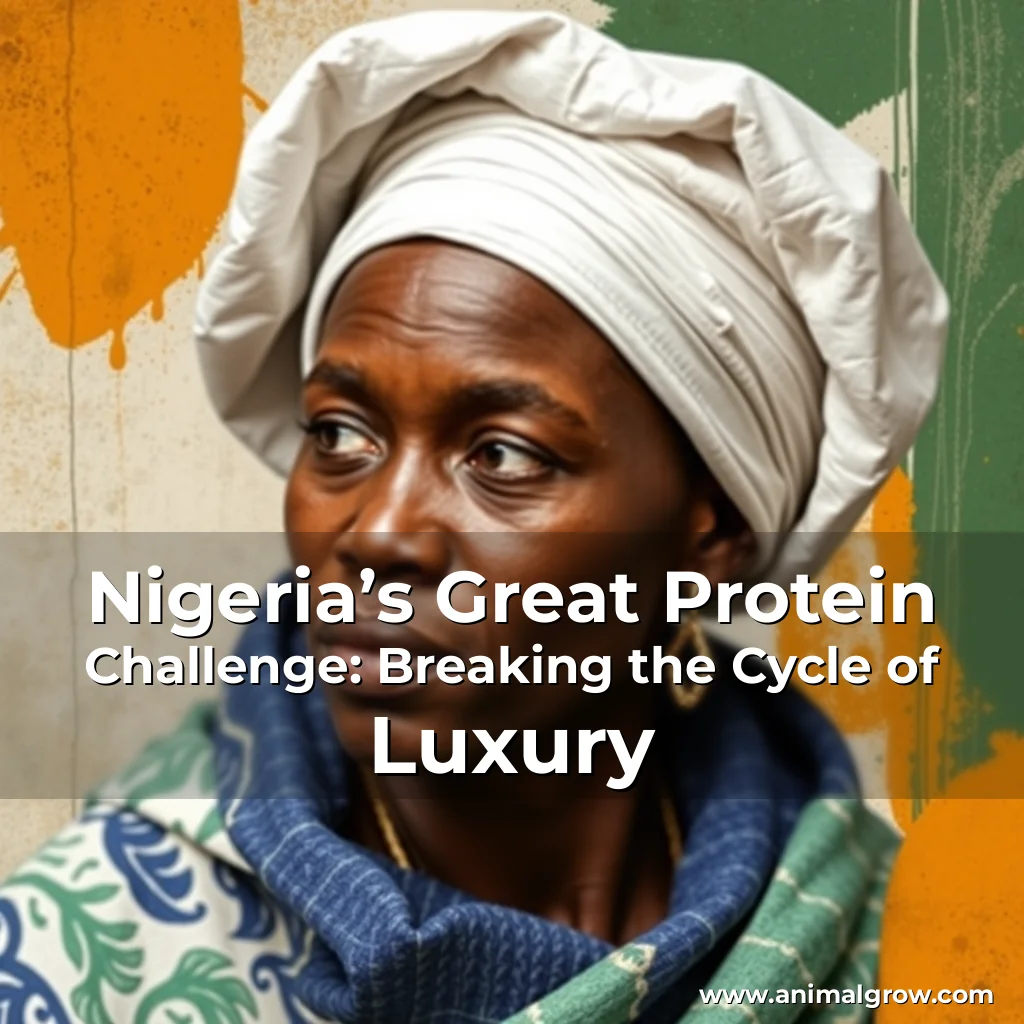
The Paradox of Nutrition in Nigeria
Nigeria, a country blessed with fertile land, abundant water resources, and a dynamic population, has a paradoxical situation when it comes to nutrition. Millions of Nigerians struggle to access enough protein in their daily diets, despite the availability of fertile land and water resources. Protein, a critical nutrient for human growth, development, and immunity, remains out of reach for many households.
- Underdeveloped livestock and aquaculture industries
- Weak cold-chain infrastructure
- Poor feed supply
- Post-harvest losses
- High input costs
- Limited consumer awareness about plant-based protein alternatives
These factors contribute to the gap between the availability of protein-rich foods and the demand for them. In many Nigerian diets, starchy foods dominate, while protein-rich foods like beef, chicken, fish, eggs, and legumes are consumed less frequently due to high costs or limited access.
Consequences of Protein Deficiency
Protein deficiency is not merely a statistic but a silent health crisis. According to nutrition experts, lack of adequate protein intake weakens immune systems and diminishes productivity in adults. In many Nigerian diets, starchy foods like cassava, yam, rice, and maize dominate, while protein-rich foods like beef, chicken, fish, eggs, and legumes are consumed less frequently.
| Protein Deficiency Effects | Impact on Health | Impact on Productivity |
|---|---|---|
| Weak immune systems | Increased risk of illnesses | Reduced productivity in adults |
| Diminished cognitive function | Impaired learning and memory | Reduced economic productivity |
Expanding Domestic Protein Production
To make protein a choice rather than a luxury in Nigeria, the first step is to expand and modernise domestic protein production. Nigeria’s agricultural sector is rich in potential, especially in livestock, poultry, aquaculture, and legumes.
- Investing in modern animal husbandry practices
- Expanding feed production
- Providing access to affordable veterinary care
- Building processing facilities across the country
These investments can significantly increase the availability and affordability of animal protein. If local farmers can be empowered with training, access to credit, and market linkages, the supply chain will strengthen and stabilise prices.
Aquaculture: Scaling Up Fish Production
Nigeria has the climate and water bodies necessary to become a global leader in fish production. Developing hatcheries, offering extension services, and investing in research on improved fish breeds can create jobs while meeting the rising demand for protein.
Challenging the Status Quo: Promoting Plant-Based Proteins
Protein-rich foods, particularly meat, dairy, and fish, are highly perishable. A major reason why protein remains expensive and scarce in many parts of Nigeria is the lack of cold storage, transportation, and processing infrastructure. To overcome this, a national investment in rural electrification, refrigerated transportation, and storage solutions can reduce waste and stabilise market supply.
“Nigeria’s traditional diets already include nutrient-rich legumes such as beans, groundnuts, soybeans, and bambara nuts. These foods are high in protein, fibre, and essential amino acids, and are both cost-effective and culturally accepted.” — UNICEF
Education and Awareness
An overlooked element in transforming protein from luxury to choice is education. Millions of Nigerians, particularly in rural and underserved communities, are unaware of the wide variety of affordable protein sources available to them. Public health campaigns, nutritional education in schools, and partnerships with local media can highlight both the health benefits and practical ways of including protein in daily meals.
A Balanced Approach
To make protein access a matter of choice, a balanced approach is required. This involves commitment from every sector, including farmers improving productivity, governments offering enabling policies, investors funding sustainable agribusinesses, researchers developing new solutions, and consumers making informed food choices.
A Healthier, Stronger Population
Protein is more than just food — it is the building block of life. Making it universally accessible, affordable, and diverse is not just a nutritional goal but an investment in Nigeria’s future prosperity. A healthier, stronger population is a more productive and resilient one.
With the right mix of action, the age when protein was a luxury on the Nigerian table can finally become history.


news is a contributor at AnimalGrow. We are committed to providing well-researched, accurate, and valuable content to our readers.
You May Also Like


The shocking case of Tanaya Jade Robins
Tanaya Jade Robins, 26, has been banned from owning animals for a decade after her flat was found to be...
Indian Poultry Alliance Acquires Kwality Animal Feeds for 300 Cr
Market Presence and Product RangeKwality Animal Feeds Pvt. Ltd. has established itself as a leading player in the animal feed...

Wild Turkey at Ithaca College Raises Concerns About Human-Wildlife Interactions
Wild Turkey Gurt Highlights Human-Wildlife Interactions and Habitat Loss A surprising encounter with a wild turkey at Ithacan student apartments...
Nigeria’s Livestock Sector: A Crucial Driver of Economic Growth and Food Security
The livestock sector has been a cornerstone of Nigeria's economy, food security, and rural livelihoods, but soaring prices of beef...