


However, some animals may require special permits or licenses to be kept as pets.
Kansas has specific laws and regulations regarding the ownership of pets.
Prohibited Species
Keeping prohibited species, such as lions, tigers, leopards, jaguars, and cheetahs, can have severe consequences for the animal, the owner, and the environment.
The Challenges of Keeping Exotic Pets
Keeping exotic pets can be a complex and challenging endeavor.
Further details on this topic will be provided shortly.
Permits and Regulations
Kansas has a set of regulations and permits that govern the ownership of exotic animals.
Kansas Pet Regulations
Kansas has strict regulations regarding the ownership of pets, particularly those that are considered exotic or unusual. The state’s wildlife conservation efforts are a major factor in these regulations, aiming to protect both humans and wildlife from potential harm.
These pets are considered high-risk and require special permits to ensure their safe handling and care.


news is a contributor at AnimalGrow. We are committed to providing well-researched, accurate, and valuable content to our readers.
You May Also Like


Decoding Nature’s Code: A Deep Dive Into Animal Behavior Patterns and Their Significance
The Enigmatic Dance of Survival: Decoding Animal Behavior Through Evolutionary Lenses In the vast tapestry of life, animal behavior emerges...


The Science Behind Animal Nutrition: Feeding Strategies That Drive Growth and Health
The Science Behind Animal Nutrition: Feeding Strategies That Drive Growth and Health In an era where precision agriculture is redefining...
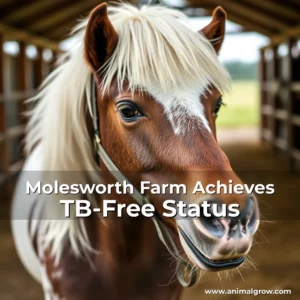
Molesworth Farm Achieves TB-Free Status
Molesworth Farm, a well-known dairy farm in the South Island of New Zealand, has achieved a significant milestone in its...

Market Trends and Opportunities
Veterinary Point-of-Care Hematology Diagnostics Market: Comprehensive Analysis The veterinary point-of-care (PoC) hematology diagnostics market is gaining momentum, driven by the...