



The Enigmatic Dance of Survival: Decoding Animal Behavior Through Evolutionary Lenses
In the vast tapestry of life, animal behavior emerges as an intricate language written through millions of years of evolutionary refinement. From the silent flight of owls at dusk to the synchronized movements of schooling fish, every action is steeped in purpose and shaped by millennia of adaptation.
This exploration delves into the fascinating world where instinct meets intelligence, revealing how creatures from tiniest insects to majestic elephants navigate their environments with astonishing precision. The study of these behaviors offers profound insights into the mechanisms that drive survival across diverse ecosystems.
Evolutionary Foundations of Behavioral Patterns
Natural selection has sculpted behavioral traits over eons, creating complex strategies for survival and reproduction. These patterns emerge not as random occurrences but as carefully honed adaptations passed down through generations.
Mutations that confer advantages in finding food, avoiding predators, or attracting mates become increasingly prevalent within populations. This selective process ensures that only the most effective behaviors persist in nature’s grand experiment.
- Instinctual Behaviors: Inherited responses hardwired through genetic coding, such as a spider’s web-spinning technique or a bird’s migratory routes, demonstrate the power of evolution in shaping automatic actions crucial for survival.
- Learned Behaviors: Acquired skills through experience, including tool use in primates or song learning in certain bird species, illustrate the remarkable capacity for cognitive development among animals capable of complex social interactions.
Social Structures and Communication Systems
Animal societies exhibit extraordinary complexity, ranging from solitary hunters to tightly knit groups requiring sophisticated communication networks. These structures are fundamental to understanding interspecies relationships and ecological balance.
Vocalizations, body postures, scent marking, and even bioluminescence serve as vital components in conveying information between individuals. Such systems enable cooperation, conflict resolution, and resource sharing essential for group survival.
Diverse Methods of Social Interaction
Among primates, facial expressions combined with vocal cues form a rich lexicon of emotions and intentions. Research indicates chimpanzees can recognize up to thirty distinct emotional states displayed through nuanced facial configurations.
Beneath the ocean surface, dolphins utilize a combination of clicks, whistles, and physical contact to maintain cohesion within pods. Their signature whistle system functions akin to personal names, allowing identification across distances exceeding several kilometers.
Foraging Strategies Across Species
Animal feeding habits reveal ingenious solutions to environmental challenges posed by scarce resources. These strategies vary dramatically based on habitat type, prey availability, and physiological constraints.
Carnivores often employ ambush tactics relying on stealth and sudden bursts of speed, while herbivores develop specialized digestive systems to extract nutrients from fibrous plant material efficiently.
- Predation Techniques: Hunters like cheetahs rely on high-speed chases to capture fast-moving prey, whereas crocodiles patiently wait near water edges before striking swiftly when vulnerable targets approach.
- Grazing Adaptations: Zebras have evolved keen senses to detect approaching predators while grazing, complemented by their distinctive black-and-white stripes which may confuse pursuing lions during mass migrations.
Reproductive Behaviors and Mating Rituals
The diversity of reproductive strategies reflects the myriad ways organisms ensure successful propagation despite varying ecological pressures. Courtship displays range from elaborate dances to dangerous combat scenarios.
Some species invest heavily in parental care, while others practice minimal involvement, leaving offspring to fend for themselves shortly after birth. These approaches represent optimal solutions given each species’ particular circumstances.
- Monogamous Bonds: Certain birds like albatrosses form lifelong partnerships, dividing responsibilities equally between partners to maximize chick survival rates against harsh maritime conditions.
- Lekking Systems: Birds such as peacocks display extravagant plumage to attract females, demonstrating how visual spectacle plays a critical role in mate selection processes.
Migration Phenomena and Navigation Mechanisms
Seasonal migration represents one of nature’s most awe-inspiring spectacles, involving journeys spanning thousands of miles guided by internal compasses developed through evolution. These navigational feats require precise orientation abilities.
Animals utilize celestial cues, magnetic fields, olfactory trails, and learned landmarks to chart their paths accurately. Errors in navigation can lead to disastrous consequences, emphasizing the importance of finely tuned sensory systems.
- Celestial Orientation: Many nocturnal migrants align their travel directions using star constellations, maintaining consistent bearings relative to fixed points in the night sky.
- Magnetic Sensitivity: Sea turtles possess magnetoreception capabilities enabling them to return to exact nesting sites along coastlines after decades spent traversing open oceans.
Defense Mechanisms Against Predators
Survival hinges upon effective defense strategies employed by both prey and predator alike. These mechanisms span from passive camouflage techniques to active deterrent displays designed to mislead attackers.
Evolution has favored those individuals displaying superior evasive maneuvers, stronger protective coverings, or more potent chemical defenses. Successful defensive traits get reinforced through natural selection over successive generations.
- Camouflage Tactics: Chameleons change skin color rapidly to blend seamlessly with surroundings, reducing detection chances by potential threats seeking easy meals.
- Toxic Secretions: Poison dart frogs secrete powerful neurotoxins through their permeable skin, serving as a formidable warning signal to deter would-be predators attempting to consume them.
Learning and Cognitive Abilities in Animals
The capacity for learning distinguishes higher-order animals, enabling them to adapt flexibly to changing environments rather than being restricted solely to innate behaviors. Intelligence manifests differently across various taxa.
Tool usage observed in octopuses, problem-solving exhibited by crows, and numerical competence demonstrated by some primate species showcase impressive cognitive capacities beyond simple reflexive actions.
- Imitative Learning: Young orangutans observe adult behaviors closely, replicating complex tasks such as extracting honey from tree trunks or cracking nuts using stones.
- Spatial Memory: Squirrels cache food in numerous locations yet consistently retrieve supplies months later, indicating advanced memory retention capabilities crucial for winter survival.
Human Impact on Animal Behavior
Anthropogenic factors significantly influence wildlife behavior, sometimes leading to maladaptive responses detrimental to individual fitness. Habitat fragmentation, pollution expo
Urbanization alters traditional migration patterns, forces dietary shifts toward human-provided foods, and disrupts established social hierarchies. Understanding these changes is vital for developing conservation strategies.
- Nocturnal Activity Shifts: Increased artificial lighting causes disruptions in circadian rhythms, affecting breeding cycles and hunting efficiency for species dependent on darkness for survival.
- Range Expansion: Climate-induced temperature fluctuations prompt some mammals to extend territorial ranges, potentially increasing competition for limited resources previously unchallenged.
Conservation Implications and Ethical Considerations
Preserving biodiversity requires recognizing the intrinsic value of animal behavior itself, not merely focusing on population numbers. Conservation efforts must account for behavioral needs alongside habitat requirements.
Protecting migratory corridors remains crucial for species reliant on seasonal movement patterns. Disruption of these pathways threatens entire lineages by severing access to necessary breeding grounds or feeding areas.
- Habitat Connectivity: Maintaining continuous landscapes allows animals to follow ancestral routes without encountering insurmountable barriers created by human infrastructure projects.
- Behavioral Enrichment: Captive facilities implement enrichment programs to stimulate natural instincts, preventing psychological distress associated with confined living conditions.
Conclusion
Understanding animal behavior provides invaluable keys to unlocking the mysteries of life’s adaptive brilliance. By studying these intricate patterns, we gain deeper appreciation for our shared existence within Earth’s biosphere.
Engaging with this knowledge fosters greater empathy towards non-human species, encouraging responsible stewardship practices that respect the delicate equilibrium sustaining countless forms of life.


news is a contributor at AnimalGrow. We are committed to providing well-researched, accurate, and valuable content to our readers.
You May Also Like

The Science and Art of Animal Husbandry: Cultivating Healthier Livestock for Sustainable Farming
The Science and Art of Animal Husbandry: Cultivating Healthier Livestock for Sustainable Farming In an era where agricultural practices are...

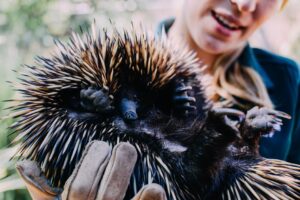
The Ultimate Handbook: Essential Animal Care Tips for Every Pet Owner
The Ultimate Handbook: Essential Animal Care Tips for Every Pet Owner In today’s fast-paced world, ensuring our beloved pets receive...
Understanding Animal Behavior Signs
Deciphering the Hidden Language of Animals: A Journey Through Behavioral Cues The intricate dance of survival and social interaction among...

Mangaluru: A Key Hub for Animal Health and Vaccination
Fourth Vaccination Round Announced Under NADCP The seventh round of the foot-and-mouth disease (FMD) vaccination programme under the National Animal...