Since then, the world has been plagued by a series of other deadly viruses, including Ebola, SARS, and MERS. These viruses have caused widespread panic, economic disruption, and loss of life on a massive scale. The question is, what is the connection between these viruses and the animals that are being kept in fur farms?
The Dark Side of the Fur Industry
The fur industry is a multi-billion dollar market that is driven by a desire for luxury and status. However, behind the glamour and glitz of high-end fashion lies a dark and sinister reality. Many fur farms are notorious for their inhumane treatment of animals, with conditions that are often described as “factory farms” for animals. Animals are kept in cramped and dirty conditions, with little to no access to natural light or fresh air. They are subjected to regular vaccinations and medical procedures, often without pain relief. Many animals are killed in brutal and inhumane ways, such as being electrocuted or gassed. The use of antibiotics and other medications is widespread, leading to the development of antibiotic-resistant superbugs.*
The Connection to Deadly Viruses
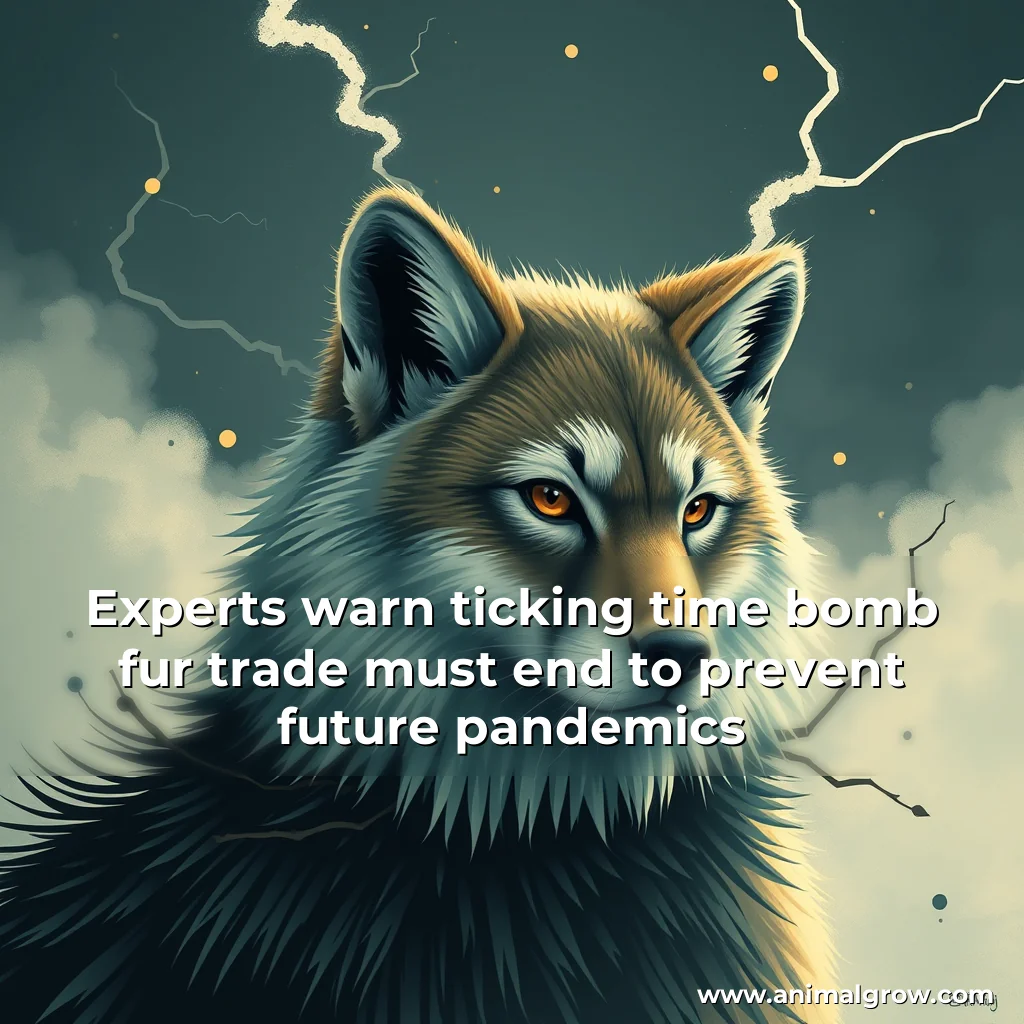
Research has shown that the conditions found on fur farms can be a breeding ground for deadly viruses. The close proximity of animals in these conditions creates an ideal environment for the transmission of diseases.
The Animal Welfare (Amendment) Bill will be debated in the House of Commons on Monday. The bill aims to ban the practice of fur farming in England and Wales.
The Animal Welfare (Amendment) Bill: A Step Towards Fur-Free England? The Animal Welfare (Amendment) Bill, set to be debated in the House of Commons on Monday, is a significant piece of legislation that aims to ban the practice of fur farming in England and Wales. The bill has been met with both support and opposition from various stakeholders, including animal welfare organizations, farmers, and the government. ### The Risks of Fur Farming
Fur farming poses a significant risk of zoonotic disease emergence, according to the bill. Zoonotic diseases are illnesses that can be transmitted from animals to humans. The bill highlights the potential risks of diseases such as rabies, distemper, and leptospirosis, which can be transmitted through contact with infected animals or their waste.
The Risks of Fur Farming
Fur farming is a highly regulated industry, but it still poses significant risks to human health and animal welfare. The industry’s reliance on live animals for breeding and reproduction increases the risk of zoonotic disease transmission. The World Health Organization (WHO) has identified several zoonotic diseases that are associated with fur farming, including:
- Rabies
- SARS-like coronaviruses
- Nipah virus
- Hantavirus
- Leptospirosis
Animal Welfare Concerns
Fur farming is also associated with significant animal welfare concerns. Animals are often kept in cramped and unsanitary conditions, which can lead to stress, illness, and death. Many fur farms do not provide adequate veterinary care, leading to untreated health problems and a high mortality rate. Animals are often subjected to painful procedures, such as nail trimming and ear cropping, without adequate pain relief.
Fur trade sparks debate over animal welfare and ethics.
The UK’s Fur Trade: A Complex Issue
The UK’s fur trade has been a contentious topic for many years, with debates surrounding animal welfare, environmental concerns, and the ethics of using animal products. While some argue that the fur trade is a legitimate industry, others claim that it is inhumane and unsustainable.
The History of the UK’s Fur Trade
The UK’s fur trade has a long and complex history, dating back to the 19th century. During this time, the industry was largely driven by the demand for fur coats and hats. However, as attitudes towards animal welfare began to shift, the industry faced increasing scrutiny and criticism.
The Closure of the Last Fur Farm
In 2003, the UK shut its last fur farm, marking a significant milestone in the country’s efforts to reduce its involvement in the fur trade. However, despite this closure, the UK has continued to import pelts worth over €900m since then.
We all have a responsibility to protect and care for them.”
The Importance of Animal Welfare
Animal welfare is a critical issue that affects not only the animals themselves but also human societies. The well-being of animals is intricately linked to the well-being of humans, and it is essential that we prioritize their care and protection. The United Nations has recognized animal welfare as a fundamental human right, alongside human rights such as freedom of speech and the right to life.
The Fur Trade: A Complex Issue
The fur trade has been a contentious topic for many years, with various stakeholders having differing opinions on its impact on the environment, animal welfare, and human societies. As a result, the UK government has introduced several bills to regulate the trade, with the most recent being the Fur (Import and Sale) Bill.
The Background
The fur trade has a long history, dating back to ancient civilizations. However, it wasn’t until the 19th century that the industry began to expand rapidly, driven by the growing demand for fur coats and other luxury goods. Today, the global fur trade is estimated to be worth over £10 billion, with the UK being one of the largest markets.
The Concerns
There are several concerns surrounding the fur trade, including:
The demand for fur is driven by the fashion industry’s desire for luxury and status symbols.
The Dark Side of the Fur Trade
The fur trade is a multi-billion dollar industry that has been shrouded in controversy for decades. At its core, the industry is built on the exploitation of animals for their fur, often in inhumane conditions. The majority of fur-bearing animals are raised in factory farms, where they are subjected to cramped and unsanitary conditions.

news is a contributor at AnimalGrow. We are committed to providing well-researched, accurate, and valuable content to our readers.