


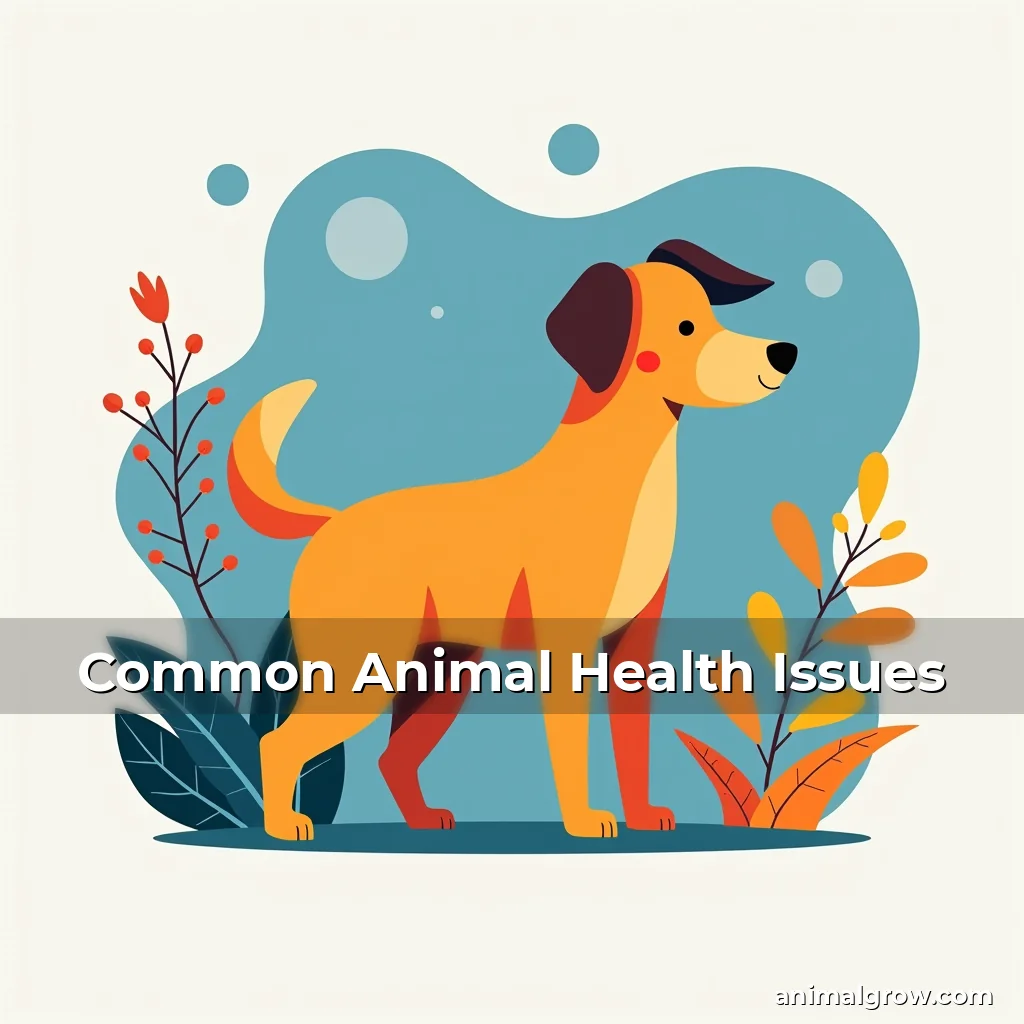
The Hidden Dangers Lurking in Your Animals’ Daily Lives: A Deep Dive into Common Health Challenges
In our modern world, maintaining optimal animal health has become both an art and a science. From backyard pets to commercial livestock operations, understanding common health challenges is crucial for every responsible caretaker.
Animal health issues can emerge suddenly or develop over time, often presenting subtle signs that may be easy to overlook. Recognizing these early indicators can mean the difference between simple treatment and chronic conditions.
Pest Infestation: The Silent Saboteurs of Animal Wellbeing
Fleas, ticks, mites, and other external parasites pose significant threats to animals across various environments. These pests not only cause discomfort but also transmit dangerous diseases through their bites and secretions.
Maintaining regular parasite prevention protocols is essential for protecting your animals from long-term complications. Flea infestations alone can lead to severe anemia in small pets if left untreated.
Preventive Measures:
- Use veterinarian-approved topical treatments monthly as recommended by your vet
- Keep living areas clean and free of debris where fleas might breed
- Regularly inspect your pet’s fur coat during grooming sessions
- Schedule routine check-ups to monitor for any new skin irritations
Ticks are particularly concerning due to their ability to carry Lyme disease and other tick-borne illnesses. Their tiny size makes them difficult to detect until they’ve already attached themselves to your animal.
For farm animals, internal parasites such as roundworms and tapeworms present additional concerns that require specialized deworming programs tailored to each species’ needs.
Nutritional Deficiencies: Fueling Growth Through Proper Diet
A well-balanced diet forms the foundation of good animal health. Nutritional deficiencies can manifest in many ways, affecting everything from coat quality to immune system function.
Deficiencies in essential vitamins and minerals often go unnoticed until symptoms appear. For instance, calcium deficiency can result in weak bones and poor dental development in young animals.
Vitamin and Mineral Essentials
Certain nutrients play critical roles in supporting overall wellbeing. Vitamin B complex supports nervous system function while omega-3 fatty acids promote healthy skin and coat condition.
Zinc deficiency, which affects collagen synthesis and wound healing processes, is especially problematic for growing animals whose bodies undergo rapid changes.
Calcium-phosphorus balance must remain carefully regulated since imbalances contribute significantly to skeletal abnormalities known as rickets or osteomalacia.
Proper hydration cannot be overlooked either; even mild dehydration can impair kidney function and compromise organ systems throughout the body.
Digestive Disorders: Understanding Gastrointestinal Upsets
Gastrointestinal issues range from occasional stomach upsets to life-threatening infections requiring immediate veterinary attention. Identifying patterns helps determine whether problems are acute or chronic.
Diarrhea, vomiting, and loss of appetite are red flags indicating potential digestive distress. In some cases, these symptoms suggest food intolerance rather than infectious causes.
Common Culprits:
- Overfeeding treats high in fat content
- Introducing sudden dietary changes without transition periods
- Consumption of toxic plants found around homes and farms
- Exposure to contaminated water sources
Bacterial infections like salmonella or E. coli can spread rapidly among groups of animals sharing feeders and watering stations. These pathogens thrive in unsanitary conditions.
Parasitic worms residing within intestines compete with hosts for nutrients, leading to weight loss despite adequate caloric intake. Regular fecal exams help identify intestinal parasites early.
Respiratory Diseases: Breathing Easy in All Weather Conditions
From kennel cough in dogs to pneumonia in cattle, respiratory ailments affect animals of all kinds. Environmental factors play a key role in triggering these conditions.
Damp living conditions increase susceptibility to fungal infections like ringworm, which spreads easily through direct contact with infected surfaces or animals.
Viruses causing upper respiratory tract infections often exhibit seasonal patterns, making vaccination schedules vital components of preventative care plans.
Allergies can also trigger chronic respiratory issues when animals inhale airborne irritants such as pollen, dust mites, or mold spores present in bedding materials.
Early diagnosis through clinical examination combined with appropriate diagnostic tests enables timely interventions before conditions worsen.
Reproductive Health Concerns: Ensuring Healthy Offspring Generations
Both male and female animals face unique reproductive challenges that impact breeding success rates and offspring viability. Maintaining reproductive fitness requires careful monitoring throughout the lifecycle.
Hormonal imbalances disrupt normal estrus cycles in females, reducing conception chances while increasing risks associated with dystocia (difficult birth) events.
Vital Considerations:
- Provide balanced nutrition specifically formulated for breeding stock
- Implement proper heat detection techniques using behavioral cues
- Conduct pre-breeding examinations including semen analysis for males
- Monitor pregnant animals closely for gestational complications
Male infertility issues stemming from testicular dysfunction or genetic defects necessitate thorough evaluations prior to mating attempts. Artificial insemination offers alternatives when natural breeding proves unsuccessful.
Postpartum complications such as retained placenta or uterine infections demand prompt medical intervention to prevent life-threatening situations for mothers and newborns alike.
Environmental Toxins: Protecting Against Invisible Hazards
Toxic substances lurking in everyday surroundings represent serious threats to animal safety. Awareness about potential dangers helps mitigate exposure risks effectively.
Household cleaners containing harsh chemicals pose particular hazards when ingested accidentally. Even seemingly harmless items like chocolate contain compounds poisonous to certain animals.
Common Toxic Substances:
- Antifreeze containing ethylene glycol attracts curious pets who may drink from puddles outside
- Pesticides used improperly leave residues harmful to non-target organisms
- Medications meant for humans can be fatally toxic when consumed by animals
- Alcohol consumption leads to alcohol poisoning in cats and dogs alike
Outdoor toxins include naturally occurring poisons found in wildflowers or mushrooms growing near grazing lands. Educating yourself about local flora helps avoid accidental poisonings.
Chemical burns caused by strong cleaning agents highlight the importance of secure storage practices keeping hazardous products out of reach from curious paws and noses.
Chronic Illnesses: Managing Long-Term Conditions Effectively
Some health conditions persist over extended periods requiring ongoing management strategies. Chronic illness doesn’t always mean suffering; proactive approaches enable animals to live fulfilling lives.
Arthritis commonly develops in older animals impacting mobility levels. Pain management solutions combined with physical therapy options help maintain quality of life standards.
Management Strategies:
- Prescribe anti-inflammatory medications under veterinary supervision
- Incorporate joint supplements containing glucosamine and chondroitin sulfate
- Design low-impact exercise routines suitable for affected individuals
- Modify living spaces to reduce strain on arthritic joints
Diabetes mellitus requires meticulous regulation of blood glucose levels through medication regimens alongside special diets. Monitoring devices allow owners track progress accurately over time.
Hypertension presents silent risks unless detected via regular screenings. Early identification enables implementation of lifestyle modifications preventing further cardiovascular damage.
Emergency Preparedness: Responding Quickly When Seconds Count
Being prepared for emergencies ensures faster response times during critical moments. Establishing clear procedures improves outcomes dramatically when crises arise unexpectedly.
Knowing basic first aid skills allows initial stabilization efforts before professional assistance arrives. Keep emergency kits stocked with essentials like bandages and antiseptic wipes.
Critical Situations Requiring Immediate Action:
- Severe bleeding needing pressure application and bandaging
- Heatstroke characterized by excessive panting and weakness
- Drowning incidents requiring CPR techniques
- Poisoning episodes demanding administration of activated charcoal
Creating evacuation plans accounts for different scenarios such as fires or floods threatening property safety along with animal welfare considerations.
Having contact information readily available at all times enables quick communication with nearby veterinary clinics during urgent circumstances.
Community Support Networks: Building Stronger Care Systems Together
Engaging with fellow caregivers creates opportunities for knowledge exchange and mutual support. Shared experiences strengthen collective resilience against emerging health challenges.
Local agricultural extension offices offer resources addressing region-specific concerns related to animal husbandry practices. Participating in workshops enhances practical skills applicable daily.
Benefits of Community Engagement:
- Access to expert advice through consultation services
- Participation in research initiatives contributing toward scientific advancements
- Collaboration on best practice guidelines benefiting entire communities
- Networking platforms connecting professionals with similar interests
Online forums provide convenient access points discussing current trends shaping industry standards continuously evolving based upon latest findings published regularly.
Volunteering at shelters or rescue organizations fosters hands-on experience working directly with diverse populations experiencing varied health conditions.
Conclusion
Understanding common animal health issues empowers caretakers to take informed decisions promoting longevity and comfort for beloved companions.
By implementing preventive measures today, you’re investing in tomorrow’s wellness journey ensuring happier healthier lives together through shared responsibility and vigilance towards holistic care approaches.


news is a contributor at AnimalGrow. We are committed to providing well-researched, accurate, and valuable content to our readers.
You May Also Like

Pet Nutrition Allergies Solutions
Pet Nutrition Allergies Solutions Dogs and cats can suffer from food allergies that manifest through symptoms such as itching, gastrointestinal...
Animal Health Dental Care
The Vital Role of Oral Hygiene in Animal Health Dental care is often overlooked when discussing overall pet well-being but...

Puerto Vallarta Leads the Way in Animal Welfare
The Animal Welfare Department in Puerto Vallarta is making a name for itself as a leader in animal welfare, with...
Veterinary Care Specialists
The Essential Role of Veterinary Care in Ensuring Animal Well-being Veterinary care forms the cornerstone of maintaining the health and...