


Wild Turkey Gurt Highlights Human-Wildlife Interactions and Habitat Loss
A surprising encounter with a wild turkey at Ithacan student apartments brought attention to human-wildlife interactions and the growing concern about habitat loss. A Wild Turkey’s Unlikely Home
The wild turkey wandered into the Circle Apartments, which sparked amusement and unease among students and staff. The bird’s friendly demeanor made it seem “chill” and led to widespread attention on social media. However, college officials were less amused, suspecting that someone might have intentionally led the turkey inside. Human-Wildlife Encounters on the Rise
A wild turkey in a bathroom may seem humorous, but it points to a larger issue. Human-wildlife encounters are becoming more common due to habitat loss and human encroachment. As cities expand and natural spaces shrink, animals are forced to venture into developed areas in search of food, shelter, or new territories. Examples of Human-Wildlife Encounters:
• In 2020, a bear was spotted in a homeowner’s backyard in California, leading to concerns about safety and property damage. • In Florida, a family of deer was seen crossing a busy highway, prompting calls for improved wildlife corridors. • In urban areas, residents have reported encounters with raccoons, opossums, and other wildlife, often leading to conflicts over food and property. Consequences of Human-Wildlife Encounters
These interactions can be stressful and dangerous for both animals and humans. Even if a wild animal appears calm, it can still exhibit unpredictable behavior. Luring or bringing wild animals into human dwellings can lead to property damage, injury, or disease transmission. For example, if a panicked turkey were to fly into a building, it could hit a sprinkler head and cause flooding. Closer interactions can also disrupt natural behaviors, making it challenging for animals to adapt to their environment. Importance of Preserving Natural Environments
Protecting natural environments is crucial for limiting human-wildlife encounters and promoting healthier ecosystems. By preserving green spaces and wildlife corridors, we can provide animals with safe passage, reducing the risk of conflicts and promoting coexistence. Should the U.S. Invest in Wildlife Overpasses? While some argue that building more wildlife overpasses would help alleviate human-wildlife encounters, it’s a complex issue. The design, location, and implementation of these overpasses can have unintended consequences, such as disrupting local ecosystems or favoring certain species over others. Depends on how we do it:
• **Design and construction**: Careful planning and execution are essential to ensure that wildlife overpasses do not harm the environment or displace local species. • **Location**: Overpasses should be strategically placed to reduce human-wildlife encounters while allowing animals to safely pass through. • **Maintenance**: Regular maintenance is necessary to ensure that overpasses remain safe and functional for both humans and wildlife. What’s Being Done to Address Human-Wildlife Encounters? Fortunately, some initiatives are underway to educate the public about coexisting with wildlife and to protect local ecosystems. Organizations like the Ithaca College wildlife conservation group, the Audubon Society, and local animal control agencies are working to preserve green spaces and wildlife corridors. By supporting these efforts and taking steps to reduce human-wildlife interactions, we can promote a healthier coexistence between humans and animals. Protecting Natural Environments is Key
Many organizations are working to control urban area expansion and preserve green spaces, allowing both humans and animals to thrive. By supporting these initiatives and adopting a coexistence mindset, we can reduce the risk of human-wildlife encounters and promote a more harmonious relationship between humans and wildlife. Quote from Ernie McClatchie, Associate Vice President of Facilities at Ithaca College
“These are wild animals. We should not encourage wild animals to be brought into residences… they are not meant for interactions.” – Ernie McClatchie, Ithaca College
Source: The Ithacan
| Organization | Initiative | Impact |
|---|---|---|
| Wildlife Conservation Group | Preserve Green Spaces | Reduce human-wildlife encounters and promote coexistence |
| Audubon Society | Education and Outreach | Raise awareness about coexisting with wildlife and protect local ecosystems |
| Local Animal Control Agencies | Wildlife Corridors | Create safe passage for animals and reduce conflicts |
- Key Takeaway: Preserving natural environments is essential for reducing human-wildlife encounters and promoting coexistence.
- Coexisting with wildlife requires a coexistence mindset and education about animal behaviors and habitat needs.
- The best approach when encountering wildlife is to give them space and contact local authorities if necessary.
What Can We Do?
You can make a difference by:
• **Supporting local conservation efforts**: Donate to organizations that protect green spaces and wildlife corridors. • **Spreading awareness**: Share articles, videos, and personal stories about coexisting with wildlife. • **Adopting a coexistence mindset**: Educate yourself about animal behaviors, habitat needs, and human-wildlife interactions. By working together, we can promote a healthier coexistence between humans and animals, reducing the risk of conflicts and ensuring the well-being of both species.


news is a contributor at AnimalGrow. We are committed to providing well-researched, accurate, and valuable content to our readers.
You May Also Like


The Second Sighting of a Boa Constrictor on Vancouver Island
Inspector Drew Milne of the British Columbia Conservation Officer Service likened the search for the boa constrictor to finding a...

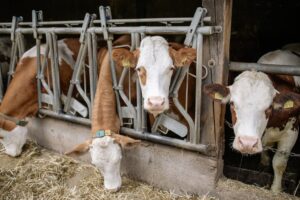
The Future of Feeding Livestock: Innovations in Sustainable Farming Practices
The Future of Feeding Livestock: Innovations in Sustainable Farming Practices Sustainable farming is revolutionizing how we raise animals for food....
Pet Nutrition Allergies Solutions
Pet Nutrition Allergies Solutions Dogs and cats can suffer from food allergies that manifest through symptoms such as itching, gastrointestinal...
Veterinary Care Regular Checkups
The Essential Role of Veterinary Care in Ensuring Animal Wellbeing Veterinary care is the cornerstone of maintaining optimal health for...