


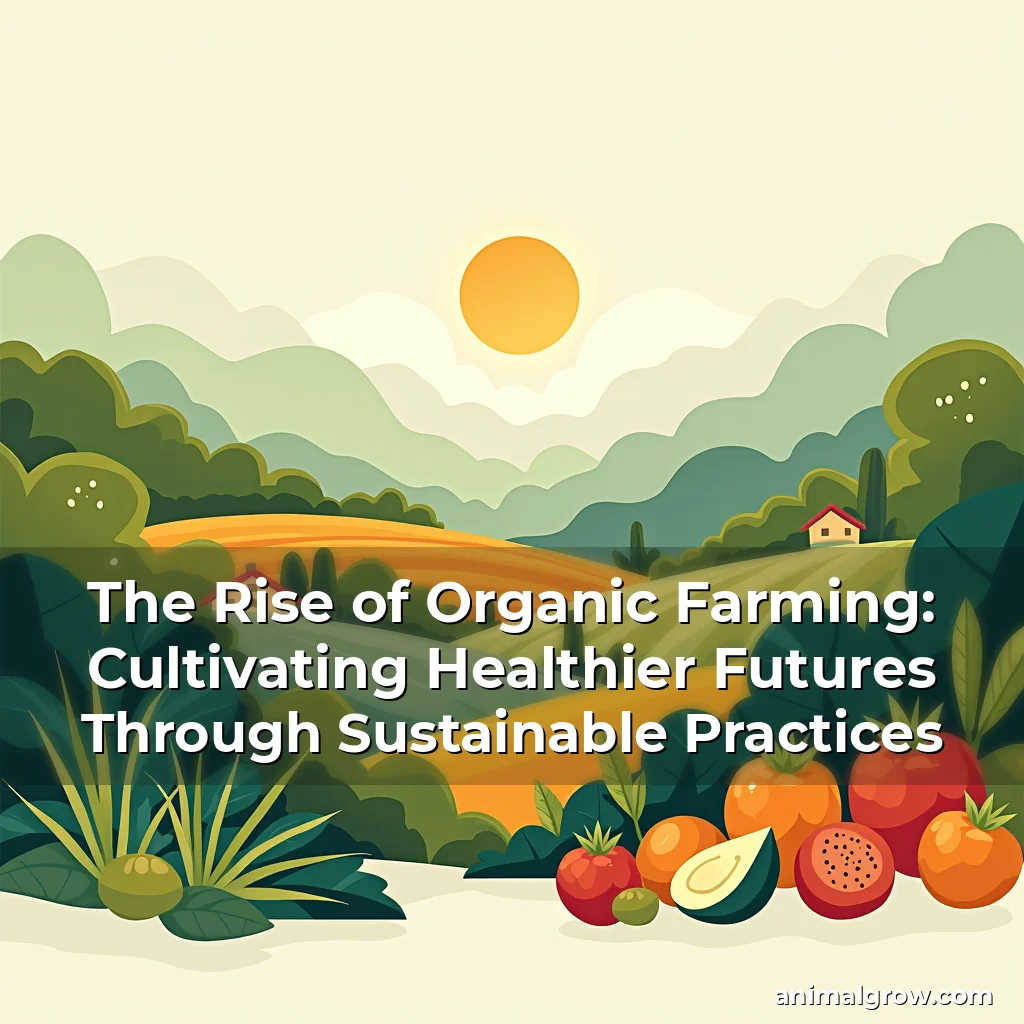
The Rise of Organic Farming: Cultivating Healthier Futures Through Sustainable Practices
In an era where environmental consciousness is reshaping industries, organic farming has emerged as a beacon of sustainable agriculture. This method prioritizes natural processes over synthetic inputs, offering benefits that extend beyond farm fields.
From soil health to consumer well-being, the impact of organic practices is profound. As awareness grows, so does the demand for organically grown products across global markets.
Understanding the Core Principles of Organic Farming
At its heart, organic farming revolves around working with nature rather than against it. Farmers avoid chemical fertilizers and pesticides, opting instead for natural alternatives that preserve ecosystem balance.
This approach emphasizes biodiversity, crop rotation, and compost use to maintain fertile soils. Such methods not only protect the environment but also promote long-term agricultural productivity.
By reducing dependency on external chemicals, organic systems enhance resilience against pests and diseases naturally occurring in ecosystems.
The foundational principle lies in creating self-sustaining farms that minimize waste while maximizing yields through holistic management techniques.
Environmental Benefits of Organic Farming
The environmental advantages of transitioning from conventional to organic methods are substantial. Soil degradation caused by excessive chemical usage can be reversed through regenerative practices employed in organic systems.
Organic farms typically exhibit higher levels of carbon sequestration due to improved soil structure and increased microbial activity beneath their surfaces.
- Pest Control: Natural predators such as ladybugs help manage aphid populations without resorting to harmful insecticides.
- Water Conservation: Healthy organic soils absorb water more efficiently, reducing runoff and preventing erosion during heavy rains.
Cultivating cover crops between harvests further protects topsoil layers from wind and rain damage while enriching them with nutrients essential for future plant growth.
Economic Implications for Farmers and Communities
While initial costs associated with certification may pose challenges, many farmers find that reduced input expenses offset these barriers over time. Lower reliance on purchased seeds and chemicals often leads to greater financial independence.
Markets increasingly favor certified organic produce, allowing growers access to premium pricing opportunities unavailable within traditional sectors.
Sustainable practices adopted at local levels foster stronger community ties through shared knowledge exchange among neighboring farms practicing similar approaches.
Diversified income streams emerge when integrating livestock operations alongside vegetable cultivation under integrated pest management frameworks commonly seen in successful organic models.
Nutritional Value and Consumer Demand Trends
Scientific research continues exploring whether organically produced foods offer superior nutritional profiles compared to conventionally farmed counterparts. Some studies suggest slight variations in antioxidant levels might exist between both types of food sources.
Despite ongoing debate regarding exact differences, consumers perceive value in choosing organic options believing they contribute positively toward personal wellness goals.
Rising health-conscious lifestyles fuel continued interest in dietary choices emphasizing minimally processed ingredients free from artificial additives.
As transparency becomes paramount in modern supply chains, traceability features inherent in small-scale organic production gain appeal amongst discerning shoppers seeking authentic quality assurance mechanisms.
Challenges Faced by Modern Organic Growers
Scaling up organic operations requires careful planning considering land availability constraints typical even for established agribusinesses aiming expansion into new territories.
Labor demands increase significantly since manual weeding replaces mechanical herbicide application widely used elsewhere in non-organic contexts.
Certification procedures involve rigorous audits ensuring compliance standards aren’t compromised which adds complexity especially for those unfamiliar with administrative requirements involved therein.
Climate change introduces unpredictability affecting yield potentials regardless of farming methodology employed meaning adaptive strategies must constantly evolve keeping pace with shifting weather patterns impacting all producers alike.
Innovations Shaping the Future of Organic Agriculture
Tech advancements enable precision agriculture tools tailored specifically towards enhancing efficiency within organic environments devoid of synthetic enhancements usually facilitating such optimizations.
Drones equipped with multispectral imaging sensors assist in monitoring crop health status enabling early detection issues before visible signs manifest themselves visibly above ground level.
Bioengineered solutions focused solely upon improving beneficial microorganism populations residing deep inside root zones show promise increasing nutrient uptake capabilities thereby boosting overall productivity metrics achievable without compromising purity mandates central tenet defining true organic integrity.
Data analytics platforms process vast quantities information collected automatically throughout growing seasons providing real-time feedback loops guiding decision making aimed achieving optimal outcomes consistently maintained over extended periods spanning multiple harvest cycles simultaneously.
The Role of Policy and Global Initiatives in Supporting Organic Growth
Governments worldwide recognize importance promoting sustainable development objectives aligning closely with principles underlying organic movement therefore implementing supportive policies encouraging wider adoption rates globally.
Funding programs subsidizing transition phases allow conventional operators shift methodologies gradually minimizing economic shocks potentially deterring otherwise hesitant participants unwilling risk immediate loss revenues associated full conversions overnight.
International agreements emphasize cross-border collaboration sharing best practices cultivated different regions contributing collective knowledge base accessible universally irrespective geographic boundaries separating individual nations engaged common cause advancing planet’s ecological wellbeing collectively.
Educational initiatives targeting youth audiences instill appreciation ecological responsibility starting early ages cultivating generation environmentally literate individuals capable driving future innovations benefitting mankind society entire enduringly sustainably.
Conclusion
Organic farming represents transformative shift redefining relationship humans have developed concerning earth resources utilized producing sustenance necessary sustaining life itself.
Through embracing philosophies centered respect nature harmony achieved through responsible stewardship practiced daily routines carried out field edges urban landscapes alike creates ripple effect positive changes observable everywhere touched gently nurtured touch loving care bestowed every living thing deserves entitled receive rightfully belonging world whole.
“`


news is a contributor at AnimalGrow. We are committed to providing well-researched, accurate, and valuable content to our readers.
You May Also Like

Animal Behavior Consulting Services
The Enigmatic World of Animal Behavior: Insights from Experts at AnimalGrow Intricate patterns of movement, communication, and survival strategies define...


7 reasons why cats trample people with their paws
Almost all cats like to sit on the owner's lap, purr, touch with their front paws, stretch their claws. There...

The AI Breakthrough that Could Enable Animal Communication
Unlocking the Secrets of Animal Language The concept of communicating with animals has long fascinated humans. While it may seem...

Kalamazoo County shelters among 28 receiving grants from MDARD Animal Welfare Fund
The fund supports programs and services to prevent animal cruelty and promote animal welfare. The Michigan Department of Rural Development...