


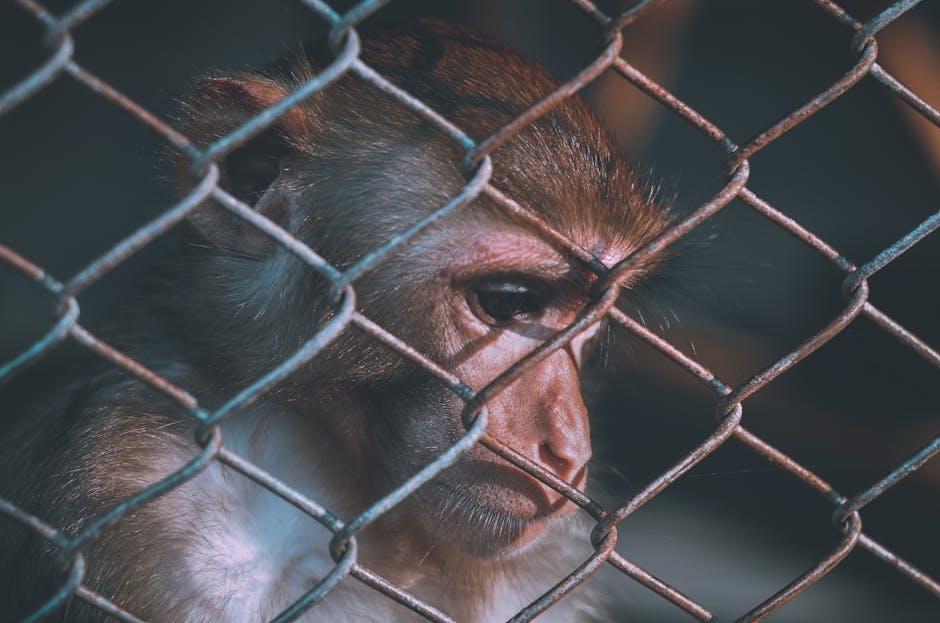
The Ethical Imperative of Animal Welfare: A Deep Dive into Compassionate Care for All Species
In an era where human-animal interactions are increasingly complex, understanding and prioritizing animal welfare has become essential not only for ethical reasons but also for our collective well-being. From factory farms to research laboratories, from urban wildlife management to pet ownership, every facet of modern life touches upon the lives of non-human animals.
This exploration delves beyond surface-level awareness, examining how scientific advancements, cultural shifts, and evolving legal frameworks shape contemporary approaches to animal welfare. It’s time we reevaluate what true compassion looks like when it comes to those who can’t speak for themselves.
Fundamental Principles of Animal Welfare Science
The science of animal welfare is built upon five key principles that form its foundational framework. These guidelines help assess both physical health and psychological well-being across diverse species. They provide a measurable standard by which different living conditions can be evaluated scientifically.
Mental stimulation plays as crucial a role as basic needs fulfillment in ensuring good animal welfare. Enrichment activities tailored to each species’ natural behaviors significantly impact their overall quality of life. This principle challenges us to move beyond mere survival-focused care models.
- Nutrition: Access to balanced diets appropriate for each species’ biological requirements ensures optimal health and longevity
- Housing: Appropriate shelter protects against environmental extremes while allowing normal behavioral expression
- Veterinary Care: Regular checkups and prompt treatment of illness maintain long-term wellness
- Social Needs: Socially complex animals require meaningful interaction with conspecifics
- Environmental Enrichment: Stimulating environments prevent boredom-induced stress and promote mental engagement
These core elements create a multidimensional approach to assessing welfare status rather than relying solely on superficial indicators like weight or activity levels. Scientific measurement tools now allow researchers to quantify pain perception, emotional states, and cognitive abilities across various species.
Advancements in ethology have revealed fascinating parallels between human and animal emotions. Studies show that elephants exhibit grief responses similar to humans after losing herd members, while primates display empathy through caregiving behaviors. Recognizing these connections strengthens our moral obligation toward other species.
Ethical Frameworks Guiding Modern Practices
Different philosophical perspectives shape contemporary debates around animal rights and welfare. Utilitarian ethics focuses on maximizing overall happiness, whereas deontological theories emphasize inherent moral duties regardless of outcomes. Vegetarianism often stems from these contrasting viewpoints.
Kantian philosophy argues against using any being merely as means to human ends. This perspective underpins many vegan movements advocating complete separation from animal exploitation. Conversely, Bentham’s utilitarian stance suggests reducing suffering without necessarily abolishing all forms of use.
The concept of personhood extends beyond traditional human-centric views. Legal scholars argue that certain highly intelligent species – dolphins, great apes, and some birds – deserve special consideration due to their advanced cognitive capacities. This raises profound questions about legal definitions of sentience.
Cultural relativism complicates global standards, yet emerging international agreements aim to establish baseline protections. Organizations like the World Organisation for Animal Health set minimum welfare benchmarks applicable worldwide despite local traditions and practices.
Industrial Agriculture and Its Impact on Livestock Welfare
Modern industrial farming systems prioritize efficiency over individual animal concerns, leading to widespread ethical dilemmas. Intensive confinement operations confine billions of animals in spaces too small for basic movement or comfort.
Factory farming methods severely compromise natural behaviors. Broiler chickens bred for rapid growth suffer skeletal deformities, while gestation crates restrict sows’ ability to turn around freely. These conditions raise serious concerns about the morality of mass production models.
Alternatives such as free-range farming offer improved living conditions, though they’re often criticized for not addressing root issues of scale and profit motives. Certified humane programs attempt to bridge this gap through voluntary industry reforms.
Rapid genetic modifications have created breeds ill-suited to their environments. Selective breeding for traits like high milk yield causes chronic mastitis in dairy cows, while fast-growing meat birds develop heart failure at young ages. These unintended consequences highlight risks of unregulated selective breeding.
Agricultural workers face ethical conflicts daily, navigating corporate policies versus personal morals. Many struggle with guilt while following procedures that cause significant distress to animals under their care.
Animal Testing in Research and Development
Laboratory testing remains controversial despite regulatory safeguards aimed at minimizing harm. While alternatives exist, they haven’t fully replaced traditional methods requiring live subjects. Regulatory agencies still mandate certain tests involving vertebrates.
Three Rs principles guide responsible experimentation: Replacement, Reduction, Refinement. Researchers seek substitutes for animal models whenever possible, minimize numbers used in experiments, and refine techniques to reduce suffering.
Recent breakthroughs include organ-on-a-chip technology and computer modeling that simulate biological processes without live specimens. However, validation of these alternatives requires extensive peer review before clinical application.
Ethical oversight committees evaluate proposed studies based on potential benefits versus animal discomfort. New protocols require justification for why alternative methods aren’t feasible for particular investigations.
Wildlife Conservation and Habitat Protection
Protecting wild populations depends heavily on preserving intact ecosystems rather than focusing solely on individual animals. Fragmented habitats limit access to food sources and mating opportunities, increasing vulnerability to extinction.
Poaching continues to threaten numerous species despite enhanced enforcement efforts. Incentivized conservation programs reward communities for protecting wildlife instead of exploiting them, creating sustainable solutions that benefit both people and animals.
Climate change introduces new threats through habitat loss and altered migration patterns. Rising temperatures affect breeding cycles and force species to migrate unpredictably, disrupting delicate ecological balances.
Restoration projects reintroduce native species to rehabilitated landscapes, helping rebuild lost biodiversity. Successful examples include wolf reintroduction in Yellowstone National Park and giant panda recovery initiatives in China.
Community-based monitoring programs empower locals to track wildlife populations effectively. Mobile apps and GPS collars enable real-time data collection that informs better protection strategies.
Companion Animals and Responsible Pet Ownership
Domestic pets represent one of humanity’s oldest interspecies relationships, yet irresponsible ownership creates significant welfare challenges. Overbreeding contributes to shelters overflowing with unwanted animals, many facing euthanasia due to lack of adopters.
Spaying/neutering prevents population explosions while offering health benefits to companion animals. Educating owners about proper nutrition, exercise routines, and veterinary care improves lifespan and quality of life for pets.
Behavioral problems often stem from inadequate socialization during critical development periods. Early exposure to varied stimuli helps dogs and cats adapt better to household environments and reduces future anxiety-related issues.
Adopting rescue animals provides second chances while alleviating pressure on overcrowded shelters. Foster networks play vital roles in preparing difficult-to-place animals for permanent homes through temporary placements.
Trafficking of exotic pets poses additional dangers, often resulting in poor husbandry practices that endanger both animals and humans. Regulations governing pet trade need stronger enforcement mechanisms to protect vulnerable species.
Legal Protections Across Jurisdictions
National laws vary widely regarding animal welfare provisions, reflecting differing cultural values and historical contexts. Some countries have comprehensive legislation covering all aspects of animal treatment, while others rely primarily on common law precedents.
International treaties like the Convention on International Trade in Endangered Species (CITES) regulate cross-border commerce affecting endangered species. Regional agreements such as EU directives impose stricter standards within member nations.
Enforcement challenges persist even where strong laws exist. Understaffed agencies often cannot investigate all reported violations effectively. Public reporting channels remain crucial for documenting abuses systematically.
Judicial interpretations continue shaping legal boundaries. Recent rulings recognize legal standing for non-human entities in select cases, marking potential turning points in animal law evolution.
Civil society organizations exert influence through litigation, advocacy campaigns, and public education initiatives that drive legislative changes. Their grassroots work complements formal legal proceedings substantially.
Emerging Technologies Shaping Future Practices
Artificial intelligence applications monitor livestock behavior patterns to detect early signs of illness or distress. Smart sensors track environmental conditions automatically adjusting enclosures accordingly for optimal welfare outcomes.
Biotechnology innovations may soon replace invasive procedures entirely. Non-invasive genetic screening allows disease detection without causing discomfort to test subjects. Advanced imaging techniques visualize internal structures safely and repeatedly.
Virtual reality training simulates complex scenarios for animal caregivers without subjecting real animals to potentially stressful experiences. This prepares professionals to handle challenging situations confidently and competently.
Blockchain technology enhances traceability in supply chains, enabling transparent tracking of food products from farm to table. Consumers gain assurance about ethical sourcing through verifiable records accessible via smartphone apps.
Collaborative platforms connect scientists globally, accelerating knowledge sharing and innovation in animal welfare fields. Open-access databases make cutting-edge research available to practitioners worldwide instantly.
Conclusion
The journey toward compassionate coexistence involves continuous learning, adaptation, and commitment. Every action taken today shapes tomorrow’s relationship between humans and the rest of the animal kingdom.
By integrating scientific knowledge, ethical considerations, and technological advances, we can build a world where all sentient beings receive the respect and care they rightfully deserve. The path forward begins with conscious choices made individually and collectively each day.


news is a contributor at AnimalGrow. We are committed to providing well-researched, accurate, and valuable content to our readers.
You May Also Like

The Science of Livestock Management: Building Resilient Farming Systems for Modern Agriculture
The Science of Livestock Management: Building Resilient Farming Systems for Modern Agriculture Livestock management is an essential pillar of modern...


Varieties of colors of Scottish Fold cats
At the time when the Scottish Fold breed became known throughout the world, its color palette mainly consisted of gray...

**The Unusual and Unconventional World of Exotic Pets in Montana**
**A Word of Caution: Why You Might Want to Think Twice Before Owning an Exotic Pet** Don't own exotic pets,...

Scientists stunned by striking behavior shift across hundreds of animal species : That is not always correct
27% of the animal species studied were new to the camera trap images. 30% of the mammals studied exhibited activity...