


27% of the animal species studied were new to the camera trap images. 30% of the mammals studied exhibited activity patterns that don’t align with human assumptions. 75% of the activity patterns observed were unexplained. 1 in 5 mammals (22%) were found to be solitary.
The Rise of Nocturnal Animals
In recent years, there has been a growing trend of animals adapting to human-dominated landscapes. This shift is evident in the increasing number of nocturnal animals that are emerging in urban areas. • The reasons behind this phenomenon are multifaceted and complex. • Habitat destruction and fragmentation have led to the displacement of many species, forcing them to seek alternative habitats. • Human activity, such as urbanization and agriculture, has also contributed to the decline of natural habitats.
The effects of this phenomenon are not limited to the animals themselves, but also impact the plants and microorganisms that surround them.
The Effects on Animal Behavior
Animals that are accustomed to a regular day-night cycle may struggle to adapt to changes in their environment. For example, nocturnal animals like owls and hedgehogs may find it difficult to hunt during the day, while diurnal animals like birds and squirrels may have trouble hunting at night. This disruption can lead to changes in their behavior, such as altered foraging patterns, increased activity levels, or even changes in social interactions. • Examples of animals that are affected by disrupted day-night cycles include:
The Effects on Physiology
Disrupted day-night cycles can also have significant effects on an animal’s physiology. For example, changes in the light-dark cycle can affect the production of hormones, such as melatonin, which regulates sleep-wake cycles.
Reducing Human Disruptions to Wildlife
The Impact of Human Activities on Wildlife
Human activities such as deforestation, urbanization, and climate change are significantly impacting wildlife populations. The loss of natural habitats and fragmentation of ecosystems are causing animals to lose their homes and struggle to find food, shelter, and mates. • Habitat destruction and fragmentation are leading to population decline and isolation of species. • Climate change is altering the distribution and abundance of wildlife, making it harder for animals to adapt.
Understanding the Impact of Climate Change on Wildlife
Climate change is having a profound impact on wildlife, altering their habitats, disrupting their behaviors, and threatening their very existence. Rising temperatures, changing precipitation patterns, and increased frequency of extreme weather events are all taking a toll on the natural world. • Changes in temperature and precipitation patterns are affecting the distribution and abundance of plants and animals. • Many species are shifting their ranges poleward or to higher elevations in response to changing climate conditions.


news is a contributor at AnimalGrow. We are committed to providing well-researched, accurate, and valuable content to our readers.
You May Also Like


The Anti-Animal Testing Protest at Westminster: A Call for Immediate Ban
The Petition: A Collective Effort to End Animal Testing A petition calling for an immediate ban on the use of...
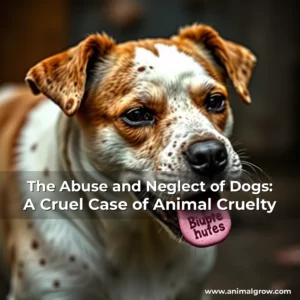
The Abuse and Neglect of Dogs: A Cruel Case of Animal Cruelty
A heartbreaking case of animal cruelty has come to light in Birmingham, where a young man was found guilty of...

Veterinary Care for Exotic Pets
The Essential Role of Veterinary Care in Ensuring Pet Wellness In an era where pets are considered cherished family members,...


Pet Growth: Professional Insights and Tips
The Science and Art of Nurturing Your Pet's Growth Journey: A Comprehensive Exploration In an era where pets are often...