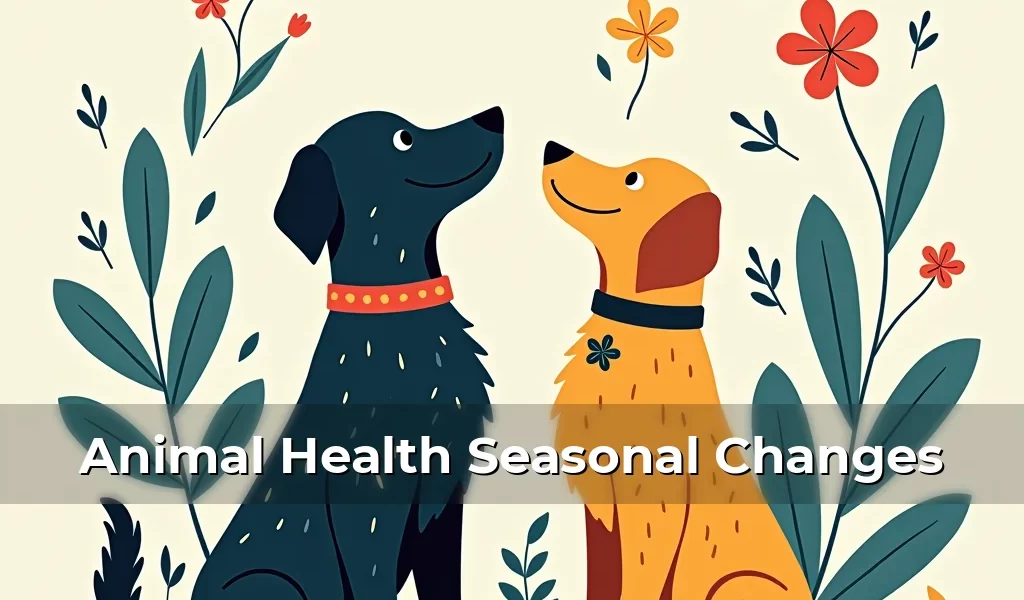
Animal Health Seasonal Changes
Understanding how seasonal changes impact animal health is crucial for pet owners, farmers, and wildlife conservationists alike. As temperatures fluctuate and daylight hours shift, animals face new challenges that can affect their well-being.
From increased parasite risks in warmer months to vitamin D deficiencies during winter, these variations demand proactive care strategies tailored to each season’s demands.
The Impact of Temperature Fluctuations
Temperature fluctuations significantly influence an animal’s physiological processes and overall health status. Sudden drops or rises in temperature can stress livestock and pets, leading to weakened immune systems.
Dairy cows, for example, experience reduced milk production when exposed to extreme heat or cold without adequate shelter. Similarly, small mammals may struggle to regulate body temperature effectively in unstable climates.
- Heat Stress: Prolonged exposure to high temperatures increases heart rate and respiration rates, often resulting in dehydration and decreased appetite.
- Cold Stress: Low ambient temperatures force animals to expend extra energy maintaining core body warmth, which can lead to weight loss and susceptibility to infections.
Nutritional Needs Across Seasons
Varying seasons necessitate adjustments in dietary requirements for optimal animal health. Nutrient absorption and metabolic needs change depending on environmental conditions and activity levels.
In colder months, animals require higher caloric intake to maintain body heat, while summer diets might need more hydration support due to increased sweating and panting behaviors.
Farmers must carefully balance protein sources, fiber content, and essential vitamins according to seasonal availability of feed materials.
Winter Feeding Strategies
During winter, providing warm bedding and supplemental heating sources becomes critical for preventing hypothermia among vulnerable species like puppies or elderly horses. Proper insulation helps conserve energy reserves typically spent on thermoregulation.
A study by the American Society of Animal Science found that cattle supplemented with additional fat sources during winter saw improved weight retention compared to those fed standard rations alone.
Parasite Management Through the Year
Seasonal patterns greatly affect the prevalence and life cycles of internal and external parasites affecting domesticated and wild animals alike. Warmer weather promotes faster development of many parasitic organisms.
Pets are particularly susceptible to tick infestations from spring through fall, requiring regular preventative treatments such as topical applications or oral medications.
- Internal Parasites: Worms thrive in moist environments common during rainy seasons; routine fecal examinations help detect early signs of infection.
- External Parasites: Fleas and mites multiply rapidly under favorable climatic conditions; integrated pest management approaches include both chemical and natural controls.
Reproductive Health Considerations
Environmental factors play a significant role in determining reproductive success across various animal species. Seasonal shifts influence breeding cycles, gestation periods, and neonatal survival rates.
Livestock producers monitor photoperiod length closely because extended daylight stimulates hormone secretion necessary for successful mating behaviors.
Breeding programs often synchronize artificial insemination dates based on anticipated climate trends rather than fixed calendar schedules.
Hormonal Influences on Reproduction
Changes in melatonin levels triggered by daylength variations signal hormonal changes within female animals’ endocrine systems. This mechanism ensures offspring birth occurs at times most conducive to survival.
For instance, sheep exhibit estrus behavior primarily during late autumn when food resources begin replenishing after summer depletion. Such timing maximizes chances of weaning coinciding with peak vegetation growth.
Mental Wellbeing During Weather Transitions
Animal mental health deserves equal attention alongside physical wellbeing, especially during dramatic weather transitions. Environmental enrichment plays vital roles in mitigating stress responses linked to changing conditions.
Zookeepers implement sensory stimulation techniques including scent trails, novel objects, and interactive toys to prevent boredom-induced behavioral issues in captive populations.
Pet owners can similarly engage companion animals with puzzle feeders, agility courses, and social interaction opportunities throughout different seasons.
Preventive Healthcare Practices
Routine veterinary checkups remain foundational elements of any comprehensive animal healthcare plan regardless of time of year. Early detection of illnesses enables timely intervention before symptoms become severe.
Vaccination protocols should be reviewed annually considering local disease outbreaks and vector-borne threats associated with particular geographic regions.
Regular deworming regimens combined with flea/tick prevention measures form essential components of ongoing wellness maintenance routines.
Elderly Animals and Age-Related Vulnerabilities
Senior animals possess diminished physiological resilience making them more prone to complications arising from seasonal extremes. Their bodies process nutrients less efficiently and respond slower to infectious agents.
Cats over seven years old show greater risk of developing chronic kidney disease exacerbated by dehydration caused by excessive panting during hot weather spells.
Providing easily digestible foods rich in antioxidants supports aging joints and cognitive functions affected by oxidative damage accumulated over lifetime.
Emerging Threats from Climate Change
Ongoing global warming introduces unprecedented challenges to traditional understanding of seasonal animal health dynamics. Unpredictable weather events disrupt established biological rhythms relied upon by numerous species.
Shifts in precipitation patterns alter habitats suitable for certain prey animals, indirectly impacting predator-prey relationships critical for ecosystem stability.
Conservation biologists warn that rapid climate change could outpace evolutionary adaptations in some wildlife populations, increasing extinction vulnerabilities among sensitive taxa.
Community Involvement in Animal Wellness
Local communities play pivotal roles in promoting collective responsibility toward regional animal welfare initiatives. Citizen science projects contribute valuable data helping researchers track emerging health concerns across diverse ecosystems.
Volunteer networks assist shelters managing influxes of stray animals displaced by harsh winters or wildfires, ensuring temporary housing and medical treatment until permanent placements materialize.
Public education campaigns raise awareness regarding zoonotic diseases transmissible between humans and animals, emphasizing preventive actions beneficial to both parties involved.
Conclusion
Recognizing the intricate relationship between seasonal variations and animal health empowers caretakers to provide targeted interventions tailored specifically to prevailing environmental conditions.
By implementing adaptive feeding plans, consistent parasite control efforts, and enhanced monitoring practices, individuals can safeguard the vitality of beloved companions as well as working farmstock against nature’s unpredictable rhythms.

news is a contributor at AnimalGrow. We are committed to providing well-researched, accurate, and valuable content to our readers.