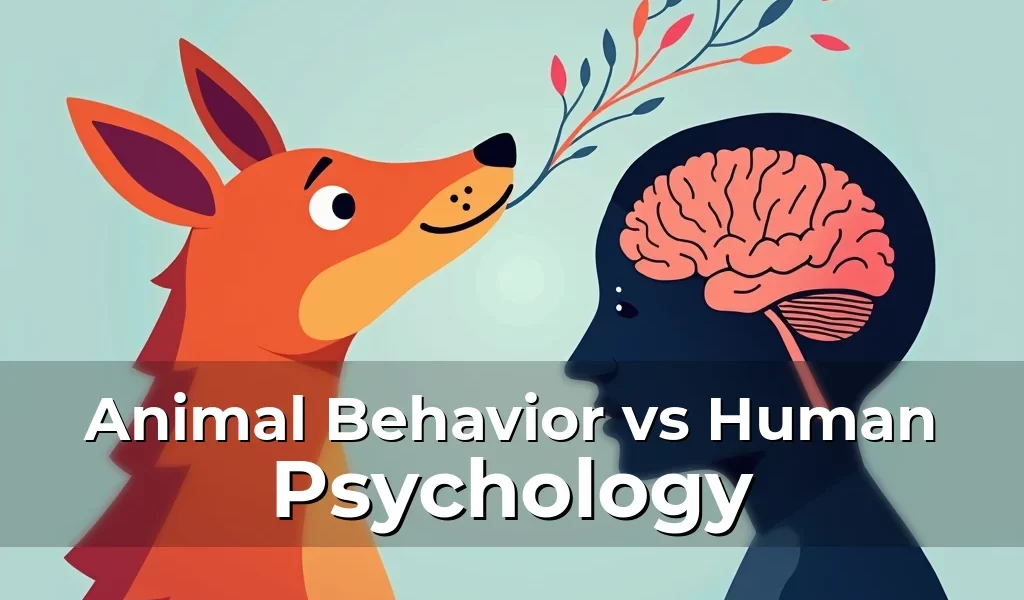
The Intricate Dance of Instincts: Exploring Animal Behavior Through an Evolutionary Lens
In the vast tapestry of life, few phenomena are as captivating as the intricate behaviors exhibited by animals across the globe. From the mesmerizing ballet of courtship rituals to the strategic precision of hunting techniques, these actions reveal not only survival strategies but also profound connections to evolutionary history.
While humans often perceive our own psychological complexities as unparalleled, studying animal behavior offers remarkable insights that challenge our assumptions about intelligence, emotion, and social structures. This exploration bridges the gap between instinctual responses and learned experiences, revealing commonalities and differences that shape both human and non-human cognition.
Decoding the Language of Survival
Nature’s most compelling lessons emerge from observing how animals navigate their environments through adaptive behaviors. These responses range from basic reflexes triggered by immediate threats to complex decision-making processes that ensure long-term species continuity.
Consider the lightning-fast escape mechanisms of prey species like gazelles, whose evasive maneuvers have evolved over millennia to outmaneuver predators. Such behaviors aren’t random; they’re finely tuned biological programs passed down through generations via natural selection.
Carnivores exhibit equally fascinating adaptations, such as lions coordinating group hunts using precise communication signals. These tactics demonstrate not just physical prowess but also advanced social learning capabilities within primate families.
- Predator-prey dynamics: The constant arms race between hunters and hunted drives rapid behavioral evolution, resulting in increasingly sophisticated defensive and offensive strategies.
- Seasonal migration patterns: Many species undertake incredible journeys based on environmental cues, showcasing innate navigational abilities tied to celestial positioning and magnetic fields.
Beneath these observable actions lies a deeper network of neurochemical pathways and genetic predispositions shaping every creature’s response to its surroundings. Understanding these underlying mechanisms provides crucial context for interpreting seemingly simple behaviors.
The Social Fabric of Non-Human Societies
Animal communities display remarkably diverse social structures, ranging from solitary lifestyles to highly organized societies with defined hierarchies. These systems reflect millions of years of evolutionary refinement tailored to each species’ ecological niche.
Dolphins offer a striking example of complex social organization, forming alliances that persist for decades while maintaining distinct cultural traditions within different pods. Their ability to teach offspring specialized hunting techniques illustrates intergenerational knowledge transfer akin to human education systems.
In contrast, meerkats exemplify cooperative breeding models where individuals take on specialized roles within family units, demonstrating early forms of division of labor observed even in some insect colonies.
These varied approaches highlight fundamental questions about the origins of sociality itself. Researchers study these systems to understand when and why cooperation emerged as a dominant strategy in nature’s grand experiment.
Primates: Mirrors of Our Own Humanity
Among all animals, primates provide the clearest window into potential parallels between human psychology and other species. Observations of chimpanzee politics reveal hierarchical power struggles involving coalition-building, deception, and reconciliation efforts after conflicts.
Studies show that chimpanzees can remember past interactions with individual group members for up to three years, suggesting memory capacities comparable to young children. This capacity supports the development of nuanced social relationships within troop structures.
Interestingly, bonobos – close relatives of chimpanzees – employ sexual activity as a primary means of conflict resolution rather than aggression, challenging simplistic notions about primate social dynamics.
Such findings complicate traditional views of human exceptionalism, forcing us to reconsider what truly distinguishes our species from others in terms of cognitive abilities and emotional complexity.
Communication Beyond Words: The Universal Language of Animals
Despite lacking human language, many species possess sophisticated communication systems that rival ours in efficiency and expressiveness. These include vocalizations, body postures, chemical signals, and even bioluminescent displays in marine organisms.
Humpback whales engage in elaborate song patterns during mating seasons, creating haunting melodies that travel great distances underwater. These songs evolve over time, indicating cultural transmission similar to musical innovations among humans.
Kangaroos use a combination of facial expressions, tail movements, and scent marking to convey information about territory boundaries and reproductive status. Each component contributes to a multifaceted system of non-verbal dialogue.
Social insects like ants communicate primarily through pheromones, laying trails that guide colony members toward food sources. This form of mass communication demonstrates collective intelligence operating at scale without centralized control.
The Cognitive Toolkit of Nature’s Engineers
Some animals showcase problem-solving abilities that defy expectations, demonstrating tool use, numerical understanding, and future planning capabilities. These skills indicate levels of cognitive processing previously thought exclusive to humans.
Corvids like crows and ravens routinely fashion tools from available materials to extract food from difficult-to-reach places. In controlled experiments, New Caledonian crows have been observed modifying hooks to better suit specific tasks, showing adaptability beyond mere imitation.
Orcas develop unique dialects within pod groups, passing down hunting methods specific to local ecosystems. This generational knowledge accumulation mirrors aspects of human technological progress, albeit through different mediums.
Octopuses exhibit extraordinary problem-solving abilities, capable of escaping enclosures by manipulating objects in unexpected ways. Their decentralized nervous system allows for innovative solutions arising from independent limb coordination.
Emotional Landscapes of the Wild
Evidence continues to mount supporting the existence of complex emotions in various animal species, including grief, joy, fear, and empathy. These discoveries reshape ethical considerations regarding treatment of non-human beings.
Veterinarians report cases where elephants mourn deceased herd members for extended periods, displaying behaviors like touching bones with trunks and remaining near burial sites. Such practices suggest deep-seated emotional bonds transcending mere instinct.
Dogs demonstrate clear signs of separation anxiety, seeking comfort from familiar people upon reunion. This reaction mirrors attachment patterns seen in human infants, indicating shared neurological foundations for emotional states.
Recent studies on rats have shown altruistic tendencies, where subjects will free trapped companions even when receiving no reward themselves. This challenges the notion that self-interest is the sole driver of animal behavior.
Adaptation Through Learning: The Plasticity of Behavior
Animals exhibit remarkable flexibility in adapting to changing conditions, sometimes developing new behaviors rapidly through observational learning. This plasticity enables survival in dynamic environments shaped by climate change and habitat alteration.
Celestial navigation has been documented in numerous species, with monarch butterflies migrating thousands of miles using internal compasses calibrated by sunlight and magnetic field readings. This built-in GPS system represents a stunning example of inherited spatial awareness.
Urban foxes have adapted to city living by altering nocturnal foraging schedules and utilizing trash bins strategically. Their ability to exploit novel resources highlights the resilience inherent in wild populations facing anthropogenic pressures.
Some birds learn to recognize human faces associated with feeding routines, demonstrating the capacity for associative learning that parallels conditioning principles established in psychological research.
Behavioral Ecology: Linking Actions to Environment
Understanding animal behavior requires examining its relationship with ecological contexts, as environmental factors strongly influence observable actions. Climate, resource availability, and interspecies interactions create the backdrop against which behaviors unfold.
Tropical birds that migrate seasonally must balance energy expenditure against food scarcity, adjusting flight routes dynamically based on weather patterns. These decisions involve calculating risks versus rewards in real-time.
Nocturnal animals have developed specialized sensory adaptations, such as enhanced hearing in owls or heat detection in pit vipers, allowing them to thrive in low-light conditions with minimal energy consumption.
Marine mammals like seals modify diving depths according to prey distribution, conserving oxygen through physiological adjustments that enable prolonged submersion without surfacing frequently.
Conservation Implications of Behavioral Studies
Research into animal behavior informs conservation strategies by identifying critical habitats and understanding population needs. Behaviors once considered merely curious now serve as vital indicators of ecosystem health.
Migratory patterns help determine protected areas corridors essential for species survival, ensuring connectivity between fragmented habitats. Disruptions to these paths can lead to catastrophic declines in vulnerable populations.
Understanding social structures aids in managing captive breeding programs, as disrupting established hierarchies may cause stress-related issues affecting reproduction rates and overall well-being.
By analyzing anti-predator behaviors, scientists can design more effective deterrent measures that protect wildlife without causing undue harm, promoting coexistence between humans and native species.
The Future of Comparative Behavioral Research
Ongoing advancements in technology promise unprecedented opportunities to study animal behavior in greater depth and breadth. Remote monitoring devices and AI-driven analysis will revolutionize our understanding of complex behaviors.
Miniaturized sensors attached to wildlife allow continuous tracking of movement patterns, providing data that reveals subtle changes undetectable through conventional observation methods. These insights inform predictive modeling for conservation planning.
Genomic sequencing combined with behavioral analyses opens new frontiers in understanding heritable traits influencing behavior. Identifying genetic markers linked to particular responses could aid in selective breeding programs for endangered species.
As we continue exploring the intricacies of non-human minds, we gain not only scientific knowledge but also a renewed appreciation for the rich diversity of consciousness found throughout the animal kingdom.
Conclusion
This examination of animal behavior has revealed a world brimming with complexity, intelligence, and emotional depth that challenges preconceived notions about the uniqueness of human psychology.
By recognizing the sophistication present in non-human species, we open doors to richer interdisciplinary collaborations that benefit both scientific inquiry and practical applications in conservation, agriculture, and human-animal interaction.
“`

news is a contributor at AnimalGrow. We are committed to providing well-researched, accurate, and valuable content to our readers.