


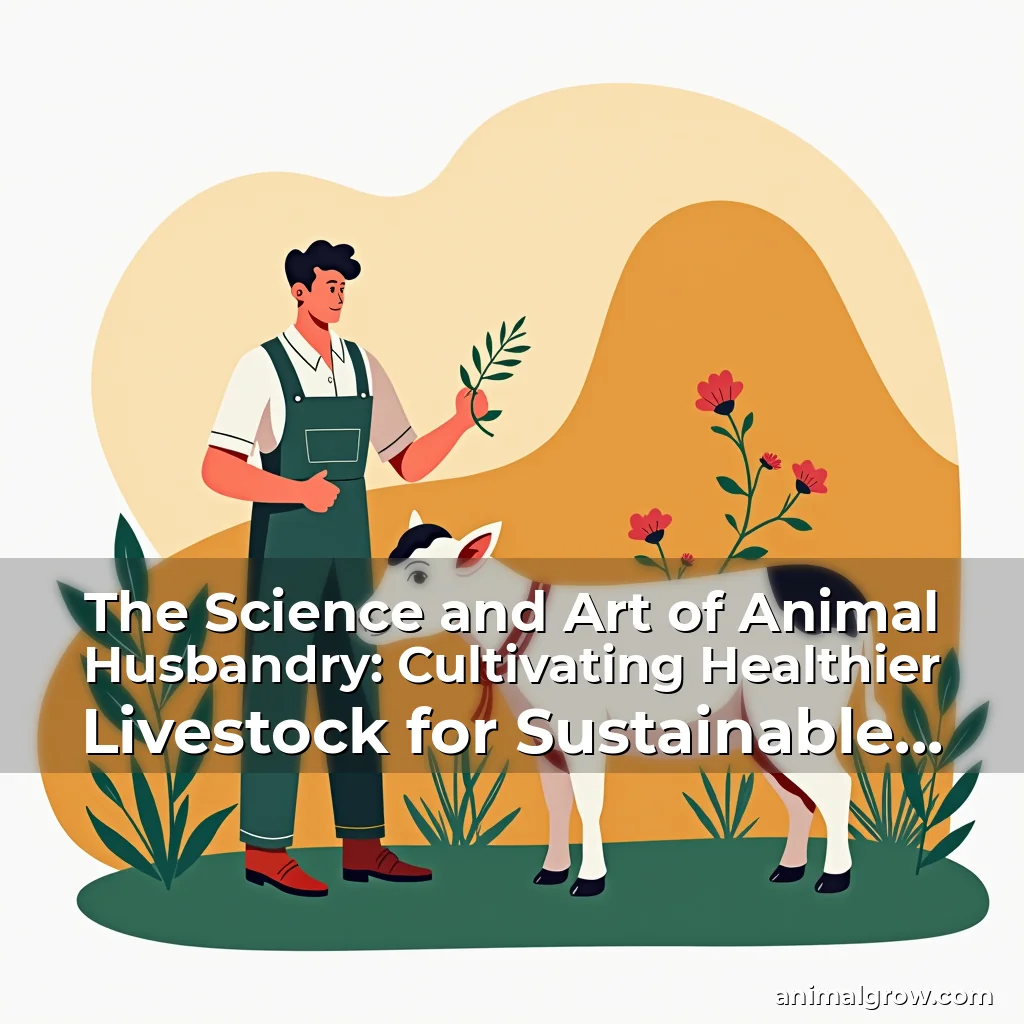
The Science and Art of Animal Husbandry: Cultivating Healthier Livestock for Sustainable Farming
In an era where agricultural practices are under intense scrutiny, animal husbandry stands at the crossroads of tradition and innovation. This ancient practice has evolved into a complex science that balances productivity with ethical responsibility.
Modern animal husbandry integrates advanced genetics, nutrition, and veterinary care while maintaining respect for natural behaviors. Farmers today must navigate regulatory frameworks alongside ancestral knowledge to ensure both profitability and sustainability.
The Historical Evolution of Animal Husbandry Practices
Dating back over ten thousand years, animal husbandry began as a means of survival rather than agriculture. Early humans domesticated species like sheep, goats, and cattle primarily for food security.
This fundamental shift from nomadic hunting to settled farming marked civilization’s first great transformation. The domestication process involved selecting animals with desirable traits through careful breeding programs.
Cuneiform tablets from Mesopotamia reveal some of the earliest records of livestock management techniques. These historical documents show how people systematically improved breeds over generations.
Medieval European monasteries became centers of agricultural knowledge preservation during the Dark Ages. They maintained extensive records of breeding successes and failures across different climates and terrains.
- Breeding advancements: Selective breeding techniques emerged around the 18th century with the development of pedigree systems tracking lineage
- Nutritional breakthroughs: Understanding of mineral deficiencies led to fortified feed formulations starting in the early 20th century
- Veterinary medicine: Establishment of formal veterinary schools in the late 18th century revolutionized disease prevention strategies
Fundamental Principles Governing Modern Animal Husbandry
Contemporary animal husbandry is guided by three core principles: health maintenance, genetic improvement, and environmental stewardship. These pillars form the foundation of responsible livestock management.
Health protocols now include routine vaccinations, parasite control regimens, and biosecurity measures against zoonotic diseases. Veterinarians play crucial roles in monitoring herd immunity levels.
Genetic selection focuses on traits such as growth rate, meat quality, and disease resistance. However, breeders must balance commercial objectives with preserving biodiversity within populations.
Sustainable practices emphasize waste reduction through manure management and water conservation techniques. Rotational grazing patterns help maintain pasture ecosystems without overgrazing.
Animal Nutrition: Fueling Growth Through Scientific Feeds
Livestock require balanced diets containing carbohydrates, proteins, fats, vitamins, and minerals. Feed formulation is tailored to each species’ biological needs and production goals.
Ruminants like cows have specialized digestive systems requiring high-fiber diets. Their four-chambered stomachs allow them to break down plant matter efficiently through microbial fermentation.
Poultry and swine demand higher protein concentrations in their rations. Commercial feeds often contain soybean meal, corn, and synthetic amino acids to meet these requirements.
Feed efficiency ratios measure how effectively animals convert nutrients into weight gain. Improving this metric reduces costs and minimizes environmental impact.
- Energy sources: Grains provide essential calories; however, alternatives like distillers grains offer sustainable options post-biofuel processing
- Protein supplementation: Fishmeal remains valuable but concerns over oceanic sustainability drive research into insect-based proteins
- Micronutrient balancing: Trace elements like selenium and zinc require precise dosing to avoid toxicity issues
Housing Systems and Environmental Enrichment Strategies
Appropriate housing protects livestock from extreme weather conditions while allowing natural behaviors. Different species require distinct living arrangements based on physiology and social structures.
Cattle typically reside in open pastures with shelter facilities during inclement weather. Free-stall barns allow easy access to feeding areas while providing rest spaces.
Pigs benefit from deep bedding systems that mimic rooting behavior. Straw or wood shavings create environments encouraging physical activity and mental stimulation.
Birds require perch bars and nest boxes to satisfy instinctual desires. Proper lighting schedules regulate circadian rhythms affecting egg production cycles.
Environmental enrichment includes toys, puzzles, and sensory stimuli to prevent boredom-related stressors. Positive reinforcement training can enhance human-animal interactions.
Climate-controlled facilities use ventilation systems to manage ammonia levels and maintain optimal temperature ranges. Automated drinkers reduce water wastage and contamination risks.
Reproductive Management Techniques Across Species
Successful reproduction requires understanding estrus cycles, gestation periods, and parturition processes unique to each species. Breeding programs aim to maximize fertility rates while minimizing calving difficulties.
Cows exhibit signs of heat through mounting behavior and swollen vulvas. Artificial insemination allows selective breeding without maintaining bull herds, improving safety and efficiency.
Pigs experience synchronized estrus when exposed to boars regularly. Hormonal treatments may be used to induce ovulation in cases of reproductive challenges.
Poultry farmers track lay cycles using light exposure controls. Broiler chickens reach market weights rapidly due to carefully managed growth hormones and nutrition plans.
Embryo transfer technology enables superior genetics to be propagated widely. Genetic testing helps identify carriers of hereditary defects before they affect entire bloodlines.
Disease Prevention Protocols in Contemporary Farming
A robust vaccination program forms the backbone of disease control efforts. Calendars dictate timing for core vaccines targeting common pathogens present in local regions.
Parasite防控 involves regular deworming schedules combined with rotational grazing to break life cycles. External parasites like ticks receive attention through acaricide treatments.
Antibiotic usage follows strict guidelines to combat bacterial infections while preventing antimicrobial resistance. Alternatives like phytobiotics and probiotics are increasingly explored.
Biosecurity measures restrict unauthorized entry onto farms. Foot baths, changing clothes, and vehicle disinfection routines minimize pathogen transmission between properties.
Early detection systems utilize sensors measuring vital signs and behavioral changes indicative of illness. Rapid diagnostic tests enable prompt treatment decisions.
Economic Considerations Shaping Animal Husbandry Decisions
Farmers weigh various factors including input costs, market prices, and government subsidies when making business choices. Profitability calculations involve analyzing return on investment metrics.
Corn and soybean prices fluctuate based on global trade policies and climate events. Contract farming agreements sometimes lock in feed supply costs ahead of harvest seasons.
Government incentives promote sustainable practices through tax credits or grants for implementing eco-friendly technologies. Compliance with regulations may qualify operations for premium price points.
Market trends influence breed selections; for example, rising demand for grass-fed beef affects which cattle strains are most economically viable.
Insurance coverage protects against losses from disease outbreaks or natural disasters. Risk management strategies help mitigate financial instability caused by unpredictable variables.
Technological Innovations Revolutionizing Traditional Methods
Automation streamlines labor-intensive tasks like milking, feeding, and cleaning. Sensors monitor animal welfare indicators continuously, enabling preemptive interventions.
Artificial intelligence analyzes vast datasets to predict health issues before symptoms manifest. Machine learning models optimize breeding stock selection based on performance data.
Blockchain technology enhances traceability from farm to fork. Consumers can verify product origins and assurance standards through transparent digital records.
Robotics assist with tasks ranging from automated milking parlors to robotic shearing machines. Drones survey large pastures identifying sick or isolated animals quickly.
Data analytics platforms integrate information from multiple sources to guide decision-making. Predictive modeling helps forecast yield outcomes under different scenarios.
The Ethical Dimensions of Animal Welfare in Agriculture
Increasing consumer awareness demands greater transparency regarding animal treatment practices. Certification programs validate adherence to humane handling standards.
Cage-free and free-range labeling reflects shifting societal values towards better living conditions for farmed animals. These designations often command premium pricing in specialty markets.
Enrichment devices simulate natural habitats reducing stress-induced behaviors. Pain relief protocols apply to procedures like dehorning or castration.
Transportation regulations specify loading densities and journey durations to prevent overcrowding and dehydration. Humane slaughter methods prioritize quick unconsciousness followed by exsanguination.
Welfare audits assess compliance with industry benchmarks. Continuous improvements aim to align agricultural practices with evolving ethical expectations.
Future Trends Reshaping the Landscape of Animal Husbandry
Cellular agriculture offers potential solutions to traditional farming limitations. Lab-grown meats could significantly reduce land and resource requirements associated with conventional livestock rearing.
Edit-and-replace biotechnology allows modification of genes responsible for undesirable traits without introducing foreign DNA sequences. Gene editing might eliminate susceptibility to certain diseases entirely.
Vertical farming techniques integrated with aquaponics systems represent next-generation approaches combining multiple food production methods in controlled environments.
Consumer preferences continue influencing what gets produced commercially. Plant-based alternatives already challenge existing meat industries with innovative textures and flavors.
Education initiatives raise public awareness about the complexities behind modern farming practices. Transparent communication builds trust between producers and consumers.
Conclusion
Animal husbandry represents a dynamic field merging scientific rigor with practical application. Its evolution continues as new discoveries reshape established norms and introduce novel possibilities.
By embracing technological advances responsibly while upholding ethical standards, practitioners contribute meaningfully to global food security and environmental protection simultaneously.


news is a contributor at AnimalGrow. We are committed to providing well-researched, accurate, and valuable content to our readers.
You May Also Like

The National Livestock Mission: Empowering Rural Youth through Animal Husbandry
The National Livestock Mission, launched by Prime Minister Narendra Modi, has been instrumental in empowering rural youth like Rahul Chauhan,...

Nigeria’s Great Protein Challenge: Breaking the Cycle of Luxury
The Paradox of Nutrition in Nigeria Nigeria, a country blessed with fertile land, abundant water resources, and a dynamic population,...
Animal Behavior Development Stages
The Evolutionary Foundations of Animal Behavior In the intricate tapestry of life, animal behavior emerges as a fascinating subject that...


How to wean a dog to bark: advice from experienced dog handlers
The unreasonable barking of a dog indicates an improper upbringing of a pet or is an alarming sign that signals...