


The Enchanting World of Exotic Pets: A Deep Dive into Unique Companionship
In an era where pet ownership has evolved beyond traditional cats and dogs, many enthusiasts are turning their attention to the captivating realm of exotic pets. These extraordinary creatures offer a blend of beauty, intelligence, and often, a touch of mystery that sets them apart from conventional companions.
Exotic pets encompass a wide range of animals, including reptiles, birds, small mammals, amphibians, and even some aquatic species. Their allure lies not only in their appearance but also in the opportunity they provide for dedicated caretakers to engage with nature in a deeply personal way.
Understanding What Makes a Pet “Exotic”
The term “exotic pet” refers to any non-traditional companion animal that is not commonly kept as a household pet in a particular region. This classification varies significantly depending on local laws and cultural norms.
Determining what qualifies as an exotic pet can be complex due to differing regulations across countries and states. In the United States, for example, certain species may require special permits while others remain fully legal under federal law.
- Laws and Regulations: Many jurisdictions impose strict rules regarding possession, breeding, and trade of exotic animals to protect both wildlife populations and public safety.
- Cultural Perspectives: Societal attitudes towards exotic pets vary widely; some cultures embrace them enthusiastically while others view them with skepticism or outright opposition.
Popular Categories of Exotic Pets
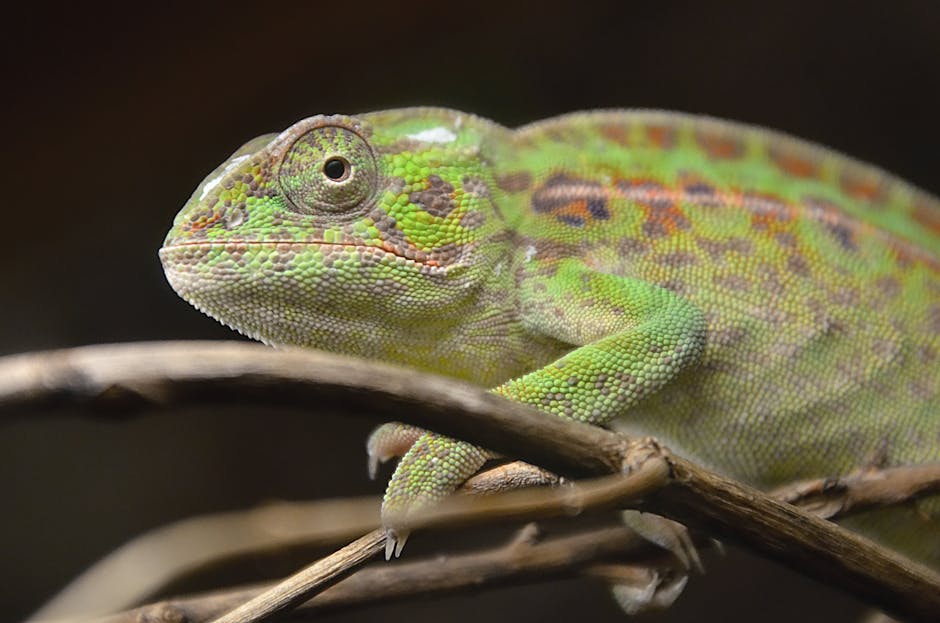
A variety of animal groups have gained popularity among exotic pet lovers, each offering distinct characteristics and care requirements. Reptiles such as iguanas and geckos stand out for their low maintenance needs compared to other categories.
Birds represent another significant category within the exotic pet industry, with parrots being particularly favored for their vibrant colors and remarkable ability to mimic human speech patterns.
Reptilian Marvels: Snakes, Lizards, and Tortoises
Snakes, lizards, and tortoises have long captivated human interest through their diverse appearances and intriguing behaviors. Among these, ball pythons and corn snakes are especially popular choices for beginners due to their docile temperaments.
Tortoises make excellent companions for those seeking a longer-term commitment since many species can live over 60 years when properly cared for. However, their dietary and habitat requirements must be carefully considered before adoption.
Proper enclosure setup plays a crucial role in ensuring the health and well-being of reptilian pets. Factors such as temperature gradients, humidity levels, lighting conditions, and substrate choice all contribute to creating an optimal living environment.
Feeding schedules differ greatly between various types of reptiles. For instance, herbivorous tortoises need access to fresh vegetables daily whereas carnivorous snakes typically eat once every few weeks depending on size and age.
Flying Friends: Parrots and Other Avian Species
Parrots bring joy and vibrancy to homes worldwide thanks to their stunning plumage and exceptional social skills. African grey parrots, Amazon parrots, and cockatoos are renowned for their cognitive abilities which allow them to learn tricks and communicate effectively with humans.
Maintaining avian pets requires dedication to create environments rich in stimulation and mental engagement. Providing ample space for flight exercise along with toys designed specifically for bird interaction helps prevent boredom-related issues.
Housing considerations for parrots include spacious cages equipped with perches made from natural materials rather than metal bars which could cause foot injuries over time. Regular veterinary checkups ensure early detection of potential health problems such as psittacosis or feather plucking disorders.
Nutrition remains critical for maintaining healthy avian pets. Commercially available seed mixes should always be supplemented with fresh fruits, vegetables, nuts, and calcium sources like cuttlebone to meet all nutritional needs accurately.
The Rewards of Owning an Exotic Pet
Keeping an exotic pet offers numerous benefits beyond mere novelty value. These animals often form strong bonds with their owners through regular handling sessions and consistent positive reinforcement training techniques.
Many people find emotional fulfillment in caring for less common species who might otherwise face challenges surviving in captivity without human intervention. The sense of accomplishment derived from successfully nurturing these creatures contributes positively to overall well-being.
Educational opportunities abound when raising exotic pets at home. Observing behaviors firsthand provides insight into ecological relationships and evolutionary adaptations found nowhere else except in wild habitats.
Some individuals choose exotic pets specifically because they align better with busy lifestyles; certain reptiles don’t demand constant supervision unlike dogs requiring frequent walks or feeding times throughout day-night cycles.
Potential Challenges Faced by Exotic Pet Owners
Despite the rewards associated with owning exotic pets, there are considerable responsibilities involved too. Proper housing setups can become quite expensive considering specialized equipment necessary for adequate heat lamps, UVB lights, water filters, etc.
Health complications sometimes arise unexpectedly despite best efforts toward preventive measures. Zoonotic diseases pose risks not only to pet owners themselves but also potentially impact broader communities during outbreaks.
Veterinary care presents additional hurdles since finding qualified professionals experienced solely in treating non-domesticated animals becomes increasingly difficult outside urban centers.
Legal repercussions loom heavily if someone acquires an illegal specimen either intentionally or unknowingly violating regional restrictions surrounding specific species protection statuses.
Ethical Considerations Surrounding Exotic Pet Ownership
Owning an exotic pet raises ethical questions concerning conservation status, welfare standards, and sustainability practices related to sourcing specimens legally. Responsible collectors prioritize acquiring captive-bred stock whenever possible instead relying upon wild-caught individuals contributing negatively toward population declines.
Conservationists warn against supporting black market trades involving endangered species whose survival depends critically upon remaining undisturbed within native ecosystems. Choosing ethically sourced alternatives supports efforts aimed at preserving biodiversity globally.
Animal welfare organizations advocate strongly for improved legislation mandating minimum quality-of-life criteria applicable universally regardless of species type held domestically. Such reforms would help standardize baseline expectations across different regions experiencing varying degrees of regulatory oversight.
Transparency regarding origin stories behind each purchased animal enhances accountability levels ensuring buyers aren’t inadvertently facilitating unsustainable harvesting activities occurring elsewhere around world.
Selecting Your First Exotic Companion
Deciding whether pursuing an exotic pet suits individual circumstances involves careful consideration about available resources including financial commitments, living arrangements suitable enough accommodate larger enclosures required occasionally, plus sufficient free time allocated consistently toward daily upkeep routines.
Newcomers benefit immensely from researching thoroughly prior making final decisions based purely upon impulse buying tendencies driven mainly aesthetic appeal factors alone disregarding practicality aspects entirely.
Visiting reputable breeders or rescue facilities allows prospective adopters assess personality traits exhibited first-hand alongside observing general cleanliness maintained inside premises indicating responsible management approaches followed regularly.
Gathering information from trusted online forums populated exclusively by seasoned hobbyists proves invaluable resource containing real-world experiences shared openly amongst members discussing successes failures encountered dealing particular species varieties alike.
Creating Optimal Living Conditions
Establishing appropriate habitats tailored precisely according to biological necessities ensures longevity enjoyment derived continuously from keeping exotic pets safely housed comfortably indoors permanently rather than intermittently released outdoors subject sudden environmental changes detrimental longterm health prospects.
Temperature regulation forms essential component successful husbandry strategies applicable virtually every kind exotic creature residing domestic settings nowadays. Utilizing thermostatically controlled heating devices enables precise control ambient temperatures matching naturally occurring climates preferred native ranges originally inhabited.
Humidity levels fluctuate considerably depending geographical locations occupied ancestral homes thus replicating similar moisture percentages artificially maintains physiological equilibrium preventing dehydration symptoms arising chronic exposure dry air conditions prevalent modern indoor spaces lacking natural precipitation sources.
Lighting systems incorporating full-spectrum bulbs simulate daylight cycles promoting vitamin D synthesis necessary bone development growth processes vital sustaining robust skeletal structures characteristic mature adult forms eventually attained after several months continuous exposure regular intervals throughout year.
Feeding Strategies & Nutritional Needs
Dietary requirements differ vastly amongst classes exotic fauna necessitating customized meal plans developed collaboratively professional nutritionists versed field expertise acquired extensive research conducted past decades addressing specific biochemical compositions beneficial respective taxa categorized separately.
Herbivores generally consume plant matter primarily consisting leafy greens fibrous stalks edible flowers while omnivores balance protein intake derived meats insects complemented carbohydrates obtained fruits vegetables simultaneously meeting energy demands efficiently distributed evenly across meals scheduled appropriately respecting digestive system capacities uniquely defined species distinctions.
Carnivorous diets mandate thorough understanding prey item sizes quantities consumed periodically correlating directly body mass measurements taken frequently monitoring weight fluctuations indicative underlying metabolic alterations warranting immediate adjustments dietary formulations accordingly.
Scheduled feeding times establish routine consistency crucial establishing trust rapport forming stronger interpersonal connections facilitated repeated interactions reinforcing associations positive outcomes resulting enjoyable bonding experiences mutually appreciated both parties involved.
Healthcare Essentials for Exotic Animals
Regular medical examinations performed licensed veterinarians specializing exotic medicine constitute cornerstone preventative healthcare regimens safeguarding physical wellness mitigating risk infectious disease transmission spreading rapidly populations susceptible vulnerabilities inherent lack immunity built resisting pathogens foreign agents invading immune defense mechanisms unprepared confront novel threats encountered new surroundings.
Vaccination protocols follow established guidelines recommending core vaccines essential protecting against deadly viruses bacteria posing serious life-threatening conditions potentially fatal untreated situations demanding emergency interventions costly procedures likely avoidable altogether proactive administration timely dosages administered correctly following manufacturer instructions meticulously adhered strictly.
Parasite prevention involves implementing monthly deworming treatments coupled external flea tick controls utilizing safe products approved government agencies ensuring efficacy safety verified scientifically tested extensively proven effective reducing prevalence parasitic infestations compromising vitality adversely affecting performance capabilities diminished noticeably observed behavioral changes noticeable sooner later stages illness progression.
Emergency preparedness includes assembling kits containing medications prescriptions identified beforehand stocked adequately quantities sufficient managing acute episodes requiring prompt action minimizing damage inflicted prolonged suffering endured unnecessarily delayed responses exacerbate severity initial symptoms overlooked until irreversible harm occurred irreversibly altering quality existence forever afterward.
Community Engagement & Support Networks
Joining local clubs focused exotic pet enthusiasts fosters camaraderie exchanging knowledge sharing experiences navigating complexities associated raising unconventional companions successfully together facing similar challenges confronting same obstacles simultaneously learning solutions devised previously implemented effectively validated results achieved confirmed reliable methods adopted subsequently replicated similarly situated individuals benefiting collectively enhanced comprehension deeper appreciation broader perspective holistic approach embracing multifaceted dimensions entailed true dedication lifelong pursuit nurturing extraordinary beings deserving respect admiration afforded rightfully earned.
Online platforms serve equally valuable purpose connecting geographically dispersed members allowing virtual participation discussions ongoing developments emerging trends shaping future trajectories industry evolving constantly adapting innovations introduced regularly improving accessibility affordability enhancing user experience ultimately enriching lives touched indirectly directly through interactions cultivated nurtured sustained diligently over extended periods fostering enduring friendships transcending boundaries limitations imposed ordinary social constructs traditionally accepted normative frameworks defining acceptable parameters relationship formation cultivation maintenance dissolution transitions inevitable part organic process mutual respect understanding reciprocated genuinely felt authentically expressed transparently communicated openly acknowledged.
Participating events organized annual conventions symposiums workshops seminars dedicated education advancing awareness advocating causes championing rights ensuring humane treatment upholding highest standards excellence promoting ethical stewardship cultivating culture reverence admiration towards fascinating organisms inhabiting planet Earth coexisting harmoniously alongside humankind respecting intrinsic worth dignity bestowed upon sentient beings irrespective origins backgrounds identities.
Volunteering opportunities exist numerous shelters rescues dedicating oneself assisting injured orphaned animals rehabilitating releasing back wilderness whenever feasible alternatively providing temporary foster care awaiting permanent placements securing stable futures bright prospects hopeful beginnings rooted compassion empathy kindness generosity selflessness embodied actions reflecting values upheld throughout journey exploring enchanting world exotic pets unfolding endlessly discovering wonders waiting unveil next chapter adventure unfolding ahead horizon beckoning eagerly anticipated enthusiastically embraced wholeheartedly committed fully engaged devoted unreservedly passionate fervor ignited initially transformed gradually deepened exponentially expanded infinitely multiplied through immersive encounters profound revelations epiphanies illuminating paths forward guiding decisions shaping destinies intertwined irrevocably.
Conclusion
Exotic pets offer a unique blend of fascination, responsibility, and reward for those willing to commit to their care. From the intricate beauty of reptiles to the vocal brilliance of parrots, these animals bring unparalleled enrichment to the lives of their caretakers.
If you’re considering adding an exotic pet to your family, take the time to educate yourself thoroughly, prepare your home, and connect with knowledgeable communities. With dedication and love, you’ll discover a fulfilling bond that goes far beyond typical pet ownership experiences.


news is a contributor at AnimalGrow. We are committed to providing well-researched, accurate, and valuable content to our readers.
You May Also Like


Is Tractor Supply Company ( Tsco ) One Of The Best Pet Stocks To Buy According To Billionaires ? 1. 2. 3. 4.
Here are some key points to consider when investing in the pet industry. The pet industry is expected to continue...

March feed update : What did you miss All About Feed
Optimising Nutritional Strategies for Asian Feed and Livestock Producers The Alltech 2025 Asia Import Risk Analysis is a comprehensive report...

The True Face of Regenerative Agriculture
Regenerative agriculture has gained significant attention in recent years, with various stakeholders framing it as the solution to our broken...

Award-Winning Visionary: Cam Nelson Embodies Southland's Environmental Excellence
Breaking the Mold of Traditional Farming Awarua deer farmer Cam Nelson has rewritten the script on sustainable farming in Southland,...