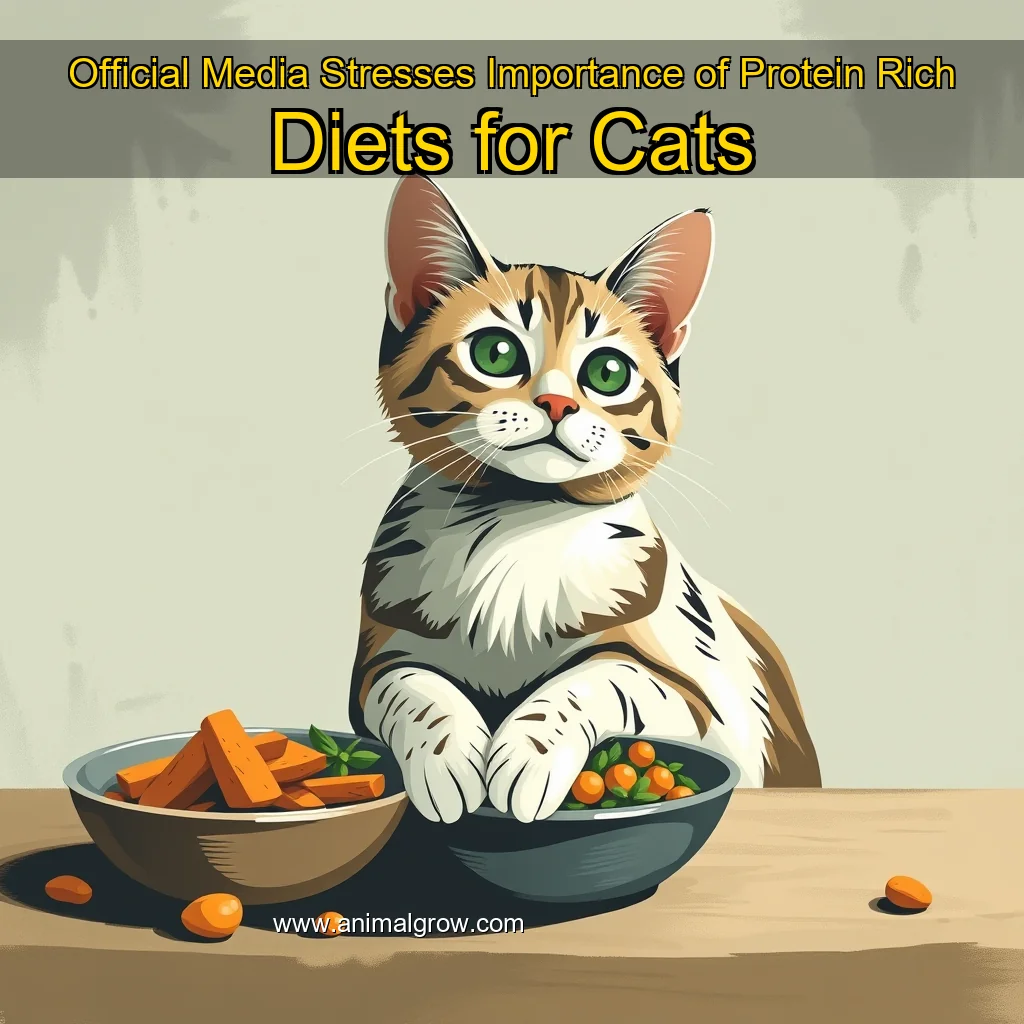
A deficiency in protein can lead to a range of health issues, including:
Protein Deficiency in Cats: Understanding the Risks
Causes and Symptoms
A deficiency in protein can occur due to various factors, including:
Symptoms of protein deficiency in cats may include:
Effects on Feline Metabolism
A deficiency in protein can disrupt a cat’s metabolism, leading to a range of health issues. This can include:
Importance of Balanced Diet
A balanced feline diet is essential for maintaining a cat’s overall health. This includes a diet rich in protein, as well as other essential nutrients such as:
Prevention and Treatment
Preventing protein deficiency in cats is crucial.
Cats require a diet rich in protein from animal sources to thrive.
He emphasizes that a balanced diet is not just about the food itself, but also about the owner’s ability to provide a suitable environment for their cat’s health and well-being.
The Importance of Nutrition in Cat Care
Cats are known for their discerning palates, and their dietary needs can vary greatly depending on factors such as age, health, and lifestyle. In Cuba, where resources may be limited, providing a balanced diet for cats can be a significant challenge. However, with the right approach, pet owners can ensure their feline friends receive the nutrients they need to thrive.
Understanding Feline Nutrition
Feline nutrition is a complex topic, and it’s essential to understand the basics before making any decisions about your cat’s diet. Here are some key points to consider:
The Challenges of Providing a Balanced Diet in Cuba
In Cuba, where resources may be limited, providing a balanced diet for cats can be a significant challenge.
The Human-Animal Bond: A Delicate Balance
The human-animal bond is a complex and multifaceted relationship that has been shaped by centuries of shared experiences, cultural traditions, and emotional connections. At its core, this bond is built on trust, companionship, and mutual care. However, the current food crisis has put this delicate balance to the test, as families are forced to make difficult choices between feeding their pets and meeting their own basic needs. The consequences of this crisis are far-reaching, affecting not only the well-being of pets but also the mental health and social fabric of communities. Many families are struggling to afford basic necessities, including food, shelter, and healthcare, leaving them with limited resources to devote to their pets. The rise in animal abandonment is a stark reminder of the desperation and hardship that many families are facing, as they are forced to make impossible choices between their own needs and those of their pets.
The Impact on Pet Ownership
The current food crisis has made responsible pet ownership more challenging, as families are forced to confront the harsh realities of their own financial situation. Despite efforts to ensure their pets’ well-being, many are being forced to abandon their pets or make difficult decisions about their care. The rise in animal abandonment is a symptom of a larger problem, as families are struggling to cope with the demands of pet ownership in a time of economic uncertainty.