Diarrhea with blood in a dog: causes, treatment at home
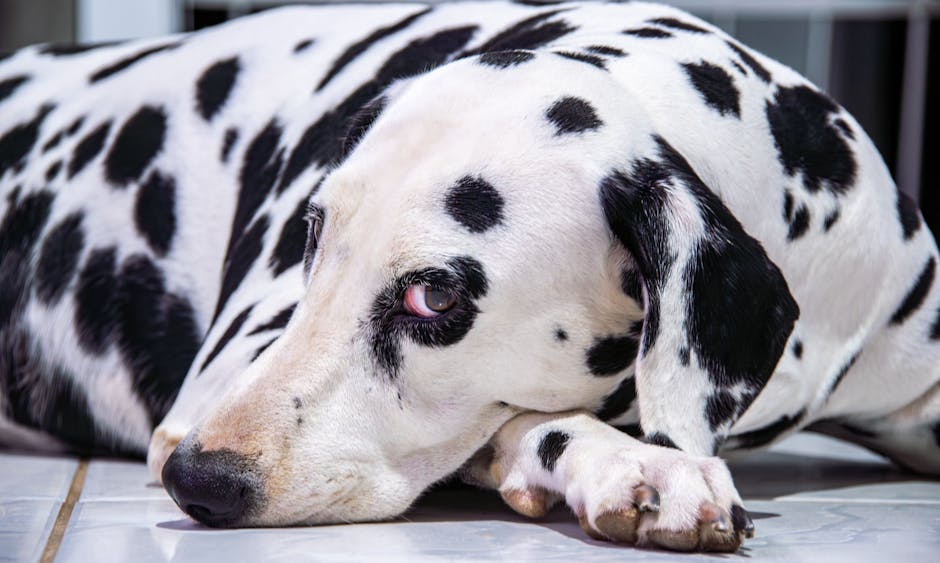
Diarrhea is not a separate pathology, but a signal of various disorders in the work of the stomach and intestines. Both disease and poor nutrition can lead to this condition.
Quite often, diarrhea in a dog is short-lived and resolves quickly without any treatment. But sometimes immediate help is needed, especially if the diarrhea is accompanied by blood. Often such a symptom develops against the background of serious diseases.
Causes
Diarrhea is a condition in which frequent loose stools occur. Depending on what caused its development, mucus, foam, and bloody substances are observed in the feces. Long-term diarrhea leads to dehydration, exhaustion and electrolyte imbalance in the body.
Bloody diarrhea with mucus is often observed in small puppies, in young and unvaccinated dogs. If such a condition is accompanied by fever and vomiting, then this is a clear sign of the development of parasitic and viral-bacterial diseases.
The most common causes of loose stools with blood include:
- sarcoptoidosis;
- staphylococcosis;
- colibacillosis;
- viral enteritis;
- adenovirus hepatitis;
- leptospirosis;
- plague of carnivores.
The bacteria that cause leptospirosis and salmonellosis can damage blood vessels and affect the mucous organs of the digestive tract. The walls of the intestines and stomach are covered with erosive foci, ulcerations and bleeding ulcers. An acute inflammatory process develops in many parts of the gastrointestinal tract.
Bloody loose stools in a dog are observed when infected with worms – a liver fluke and nematodes. These parasites feed on useful substances that enter the body along with food. Their main localization is the liver, intestines, and other internal organs. As a result of the vital activity of worms, degenerative-destructive changes occur in tissues, mucous membranes are damaged.
Fecal masses with blood and a lot of mucus often appear with hemorrhagic gastroenteritis. In addition to diarrhea, the dog has the following symptoms: intense thirst and profuse repeated vomiting. Pets stop eating, they become lethargic, the temperature rises sharply.
Bloody diarrhea also appears as a result of:
- the use of low-quality products;
- poisoning with drugs, poisons and potent chemicals.
First aid
If your dog has bloody stool, you need to take immediate action. You should definitely consult with your doctor. First aid at home is not self-medication. These are certain actions that can alleviate the symptoms of the disease and prevent its rapid progression.
The dog should skip 1-2 meals, while the dog should drink enough water. If she refuses to do this, then the liquid must be poured into her mouth using a syringe without a needle.
Be sure to give the pet activated charcoal (1 tablet per 10 kg of weight) to remove all toxins from the body. It is recommended to use Smecta, which also improves well-being. You can give the dog and No-shpu, which will relieve the spasm.
It is necessary to remember what the dog ate in the next 2 days, whether it has signs of illness or injury. If necessary, the pet is hospitalized or a doctor is called to the house.
Treatment
At home, the dog should be treated with drugs prescribed by a doctor. Often applied:
- Enterofuril, which relieves infection in the intestines and improves well-being with diarrhea;
- Furazolidone, restoring the intestinal microflora;
- Loperamide, which helps with severe diarrhea.
The antibacterial drug levomycetin effectively fights germs, and the doctor prescribes it during the treatment of diarrhea caused by an infection.
In addition to medicines, you can treat a dog with the help of traditional medicine. Help infusions and decoctions of chamomile flowers, oak bark, St. John’s wort. Such plants have astringent and soothing properties.
What to feed a dog with diarrhea?
Once a dog has diarrhea with blood, it should be stopped feeding during the day and forced to drink as much water as possible so that dehydration does not occur.
When the diarrhea stops, the animal is given a small amount of rice boiled in chicken broth. The daily rate is divided into 4-5 doses. Dairy products help restore the functionality of the gastrointestinal tract.
When the diarrhea stops completely, the pet begins to be fed regular food.
Contacting a veterinarian
The veterinary clinic should be contacted if the dog vilifies for more than a day. At the same time, vomiting and an increase in body temperature are noted. If your puppy has these symptoms, take him to the vet immediately.
Quite often, bleeding occurs due to injuries or scratches of the intestinal walls with tubular bones. In this case, the veterinarian will prescribe wound healing drugs. If the injury is severe, surgery will be required.
When a dog is poisoned, the stomach is washed in the clinic and they are given enzymes, probiotics, sorbents (Festal, Lactobifadol, Enterosgel) to normalize the digestion process. A dog can be given a drip to restore the water-salt balance in the body. Be sure to treat with drugs that improve blood clotting: Dicinon, calcium gluconate, Vikasol.