Diarrhea in a dog: treatment at home
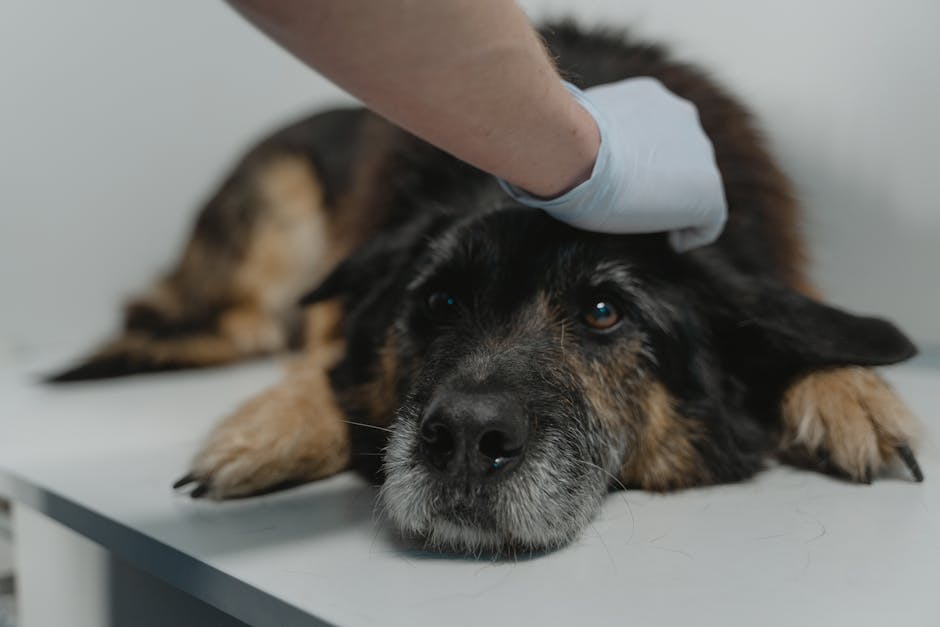
Diarrhea is the frequent defecation of watery stools. As a result, the dog’s appetite disappears, it loses weight, the quality of its coat deteriorates, and a sluggish state is observed. You can cope with diarrhea at home with the help of diet, medications and herbal decoctions. In order not to harm the animal, it is first necessary to find out the cause of the condition.
Causes and symptoms of diarrhea
Dogs defecate 2 to 4 times a day with solid feces, if defecation occurs more often, and the stool becomes liquid and has an unpleasant odor, then this indicates a digestive disorder. There are 2 forms of diarrhea:
- Acute proceeds mainly for about 3 weeks and is characterized by watery feces (may be with blood). Its danger lies in the fact that it leads to a sharp dehydration of the animal’s body.
- The chronic form can last more than 3 weeks. At this time, liquid stools with a pungent odor and mucus are observed, the dog loses its appetite, it becomes inactive and loses weight. The cause of the disease can be the presence of infections in the body, an allergy to food or weak immunity. In small dog breeds, such as Chihuahuas or Toy Terriers, diarrhea can occur due to the predominance of dietary fiber.
The main causes of diarrhea are:
- abrupt transition from one feed to another;
- the presence in the diet of low-quality products;
- the presence of helminths in the body;
- dysbacteriosis;
- lack of vitamins and minerals in the dog’s body;
- cancer of the digestive organs (may occur in older dogs);
- damage to the walls of the stomach by a foreign object or fragments of tubal bones;
- chronic diseases of the liver, intestines, spleen and pancreas;
- chemical poisoning;
- the presence of such an infectious disease as parvovirus enteritis (the disease appears mainly in puppies at 1.5 months or 2 months);
- allergic to certain foods or any substances;
- indigestion;
- antibiotic treatment;
- stress.
Symptoms of the disease depend on the severity and neglect of the disease. The most common symptoms of diarrhea include:
- liquid stool;
- watery feces with an unpleasant odor and bloody patches;
- increased body temperature;
- bubbling in the stomach;
- nausea and vomiting;
- lethargic or restless behavior;
- frequent bowel movements;
- vomiting white foam;
- feces of various shades (green, brown, black or yellow);
- pain during defecation (groans and whining of the animal);
- the presence of mucus in the feces.
Treating diarrhea in dogs
During the period of illness, the dog must be limited in nutrition. On the first day of diarrhea, only a small amount of boiled rice can be given to the animal. On the second day of the course of the disease, fermented milk products are allowed to be added to the pet’s diet in order to normalize the digestive process. On the third day, if the pet’s health has improved, you can feed the animal with low-fat dishes such as boiled rice, boiled egg, chicken or sea fish. During diarrhea, do not give dogs vegetable oils, as they have a laxative effect.
During the illness, the animal must consume large amounts of water to avoid dehydration.
To cope with diarrhea in a dog at home, you can use herbal decoctions. They have an astringent effect, anti-inflammatory and antimicrobial effects, as a result of their use, the feces become thick and dehydration of the body stops. To prepare a decoction, 2 tbsp. l. herbs are poured with boiling water and simmered in a water bath for 20 minutes. After cooling, the product is filtered and given to an adult animal in 2 tbsp. l. 2 times a day. The following herbs can be used to treat diarrhea in dogs:
- flowers and leaves of St. John’s wort;
- sage leaves;
- pomegranate skin;
- cinquefoil leaves.
You can normalize the work of the intestines at home with the help of rice water. In 1 liter of water, boil for one hour 2 tbsp. l. rice groats, and after cooling – remove the grains. You need to water the animal with a warm decoction of 2 tbsp. l. 3 times a day.
Medications for diarrhea
Diarrhea in dogs can be treated with “human” medicines . Before using them, you should consult with your veterinarian, who will prescribe the correct dosage. The most common drugs are:
- Activated carbon. It is a safe adsorbent that removes toxic substances from the body. Give the drug 3 times a day, at the rate of 1 tablet per 10 kg of weight. The medicine is allowed for both adult dogs and puppies who have reached the age of 4 months.
- Enterosgel. It is an analogue of the previous drug, but more gently and effectively affects the body.
- Regidron . The medicine is available in the form of a powder, used for intoxication and dehydration of the body.
- Smekta. The drug removes toxins and copes well with diarrhea. It is diluted with warm water (the dosage is checked with a veterinarian) and the dog is fed with a syringe.
- Levomycetin. A synthetic antibiotic is used to treat diarrhea caused by various infections. Give the tablet to the dog once, in case of emergency.
- Furazolidone. In intestinal disorders, the drug is indicated for the restoration of microflora.
- Enterofuril. The drug copes well with intestinal infections, is available in the form of a suspension.
- Loperamide. Apply the drug once, in case of severe diarrhea.
In case of violation of the intestines of animals, veterinary drugs can also be treated. The most effective is Vetom 1. 1, use it according to the instructions.
Diarrhea can occur as a result of any infection entering the body. You can stop diarrhea with the help of antibacterial drugs, the dosage of which is determined by the veterinarian:
- Polyphepan. The product has high sorption qualities and quickly removes allergens, toxins and pathogenic microorganisms from the animal’s body.
- Enterodes. The drug removes harmful substances from the body through the intestines, most often it is used for exacerbation of enteritis.
- Nifuroxazide. An effective antiseptic blocks the waste products of such harmful bacteria as staphylococcus aureus, salmonella, streptococcus, as well as enterobacteria.
Prevention measures
Most often, diarrhea in animals occurs as a result of improper care for them. To avoid indigestion in dogs, owners should adhere to the following guidelines:
- Do not allow the animal to pick up various objects or food on the street, prohibit taking food from the hands of a stranger.
- Timely carry out treatment for parasites and vaccinate the dog.
- Do not overfeed the dog, as the intestines tend to stretch and lose their function.
- Restrict your pet’s access to the bin.
- Do not feed the animal with expired food and human food.