


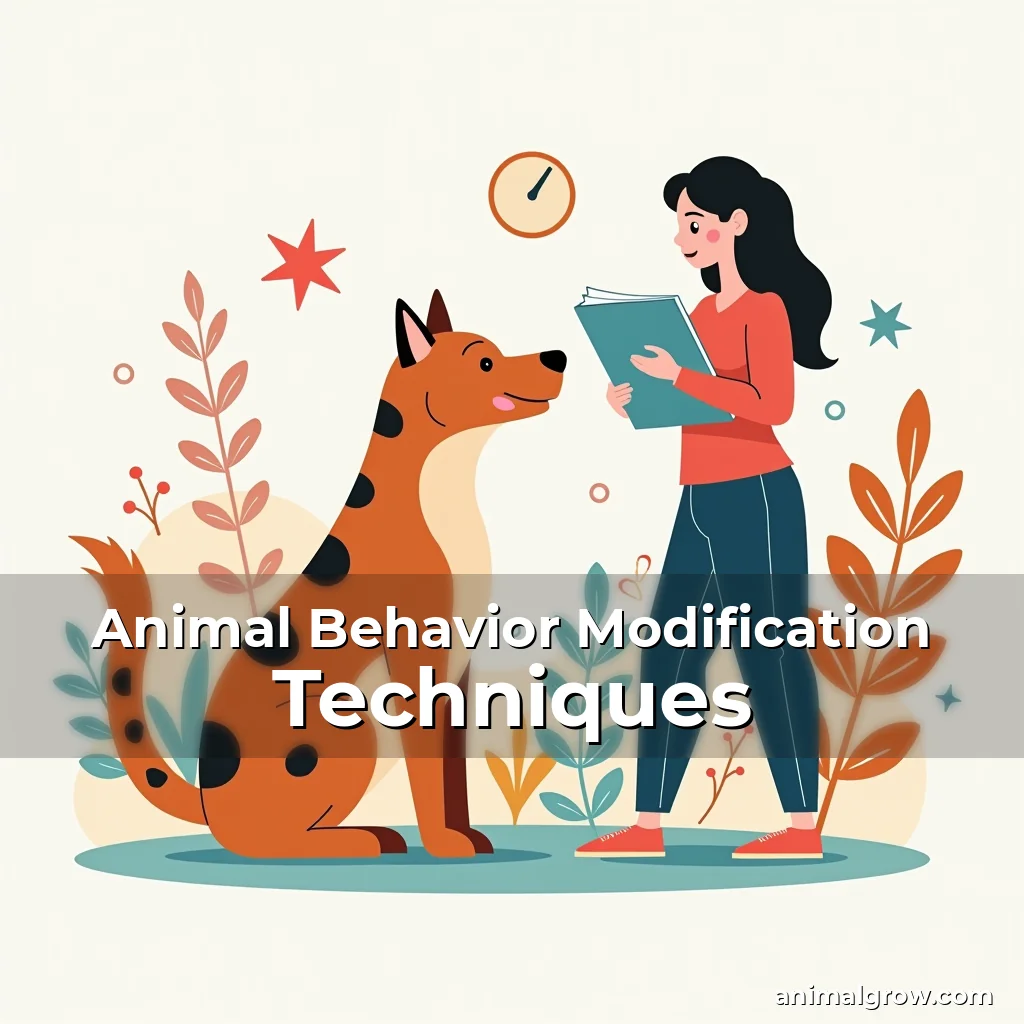
Decoding Nature’s Code: The Science Behind Animal Behavior
In every corner of our planet, animals exhibit behaviors that seem almost preternatural. From the synchronized swimming of herring schools to the precise choreography of honeybee dances, these actions are not random but deeply rooted in evolutionary imperatives.
The study of animal behavior, known as ethology, offers profound insights into both wild and domesticated species. This exploration delves into the complex interplay between genetics, environment, learning, and social structures shaping the way animals interact with their world.
Evolutionary Foundations of Behavioral Patterns
Nature has sculpted animal behaviors through millions of years of adaptation and natural selection. These patterns serve crucial survival functions, from predator avoidance strategies to intricate mating rituals.
Consider the case of meerkats standing guard while others forage. This collective vigilance is an evolutionarily honed strategy ensuring group survival against predators. Similarly, the elaborate plumage displays of peacocks demonstrate how sexual selection drives behavioral complexity.
- Mating Displays: Birds-of-paradise perform acrobatic courtship routines that have evolved over millennia to attract mates
- Predator Avoidance: Octopuses use chromatophore cells to instantly change coloration when threatened
- Social Structures: African elephants maintain matriarchal herds that pass down knowledge across generations
These examples illustrate how innate behaviors often provide immediate survival advantages. However, many animals also develop learned behaviors that enhance their adaptability in changing environments.
The Dual Pathways of Innate and Learned Behaviors
Animal behavior can be categorized along a spectrum from completely instinctual responses to highly developed learned skills. Understanding this continuum reveals fascinating aspects of cognitive capabilities across different species.
Certain behaviors manifest automatically without prior experience, such as salmon returning to their natal streams using olfactory cues. In contrast, dolphins must learn sophisticated hunting techniques from older members of their pod.
This distinction becomes particularly evident during critical developmental periods. For example, imprinting in young geese demonstrates how early exposure shapes lifelong behavioral tendencies.
Communication Systems Across Species
Animals employ diverse communication methods ranging from simple chemical signals to complex vocalizations. These systems enable social bonding, resource location, and danger warning.
Vocal communication varies dramatically among species. Humpback whales produce haunting songs that travel great distances underwater, while prairie dogs have distinct alarm calls for different types of predators.
Chemical Signaling Networks
Many insects rely heavily on pheromones for navigation and reproduction. Ants leave trails of scent markers guiding colony members to food sources, creating efficient foraging networks.
A remarkable example is the queen bee’s pheromone regulation system, which maintains hive cohesion by suppressing worker bee ovulation. Such chemical communication represents an ancient yet effective information exchange method.
Social Structures and Group Dynamics
From wolf packs to termite colonies, animal societies display incredible organizational complexity. These structured interactions optimize survival and reproductive success within groups.
Hierarchical systems are prevalent in many species. Among chimpanzees, dominance hierarchies influence access to resources and mating opportunities. Yet some species practice cooperative breeding, where multiple individuals contribute to offspring care.
Understanding these dynamics helps explain phenomena like altruistic behaviors observed in various contexts. Vampire bats share blood meals with unrelated individuals who previously aided them, demonstrating reciprocal generosity.
Learning Mechanisms in Animals
Operant conditioning principles apply universally across species, though expression differs based on biological constraints. Reinforcement mechanisms shape everything from bird song development to tool use in primates.
Owl monkeys provide compelling evidence of observational learning. Younglings acquire foraging techniques by watching adults locate fruits and insects. This ability to learn through observation significantly enhances survival probabilities.
Cognitive abilities vary widely even within similar species. While some parrots can recognize themselves in mirrors, others show limited self-awareness despite comparable intelligence levels.
Adaptive Behaviors in Changing Environments
Climate change and habitat fragmentation force animals to modify behaviors rapidly. Observing these adaptations provides insight into resilience and potential conservation strategies.
Bird migration patterns are shifting northward at alarming rates due to warming temperatures. Some populations adjust departure schedules while others alter destination locations entirely.
Urbanization presents novel challenges requiring innovative solutions. Raccoons have become adept at opening trash containers, showcasing problem-solving abilities under human-dominated landscapes.
Human Impact on Animal Behavior
Anthropogenic changes disrupt established behavioral norms, sometimes leading to maladaptive outcomes. Recognizing these shifts is crucial for effective wildlife management.
Lights pollution affects nocturnal creatures drastically. Sea turtle hatchlings, programmed to seek ocean light, now often head toward artificial beachfront illumination instead.
Fisheries practices alter feeding behaviors too. Atlantic cod now avoid areas near fishing nets after repeated negative associations with those zones.
Ethological Research Methods
Modern ethologists utilize advanced technologies alongside traditional field observations. Video analysis software allows researchers to track minute behavioral nuances previously undetectable.
Radio telemetry provides real-time data on movement patterns, enabling scientists to understand spatial relationships better than ever before. GPS collars reveal migratory routes with unprecedented precision.
Experimental approaches include controlled manipulations testing hypothesis-driven questions. Researchers might introduce new objects to observe problem-solving attempts or test response times to stimuli.
Applications Beyond Wildlife Conservation
Insights from animal behavior research extend beyond ecological studies, influencing agriculture, veterinary medicine, and even space exploration initiatives.
Dairy farmers apply ethological principles to create less stressful milking environments that increase milk production. Poultry operations benefit from understanding flock dynamics to improve housing conditions.
Space agencies study rodent behavior in microgravity to prepare for long-duration missions. These experiments help predict how humans might cope psychologically in isolated extraterrestrial environments.
Future Directions in Ethology
Advancements in neuroscience and genomics promise groundbreaking discoveries about the biological bases of behavior. Mapping neural pathways could revolutionize our understanding of decision-making processes.
Emerging fields like comparative cognition explore similarities and differences in mental capacities across species. Studies comparing dolphin echolocation with bat sonar highlight convergent evolutionary solutions.
Technological innovations will continue expanding research possibilities. Brain imaging techniques may soon allow direct observation of thought processes in non-human subjects.
Conclusion
The study of animal behavior remains one of the most captivating scientific pursuits, offering windows into nature’s intricate designs. Through careful observation and rigorous experimentation, we unravel mysteries that connect us all.
By appreciating these behaviors, we gain deeper respect for the natural world and improve our capacity to coexist harmoniously with other species. Continued research promises to enrich both scientific knowledge and practical applications across disciplines.
“`


news is a contributor at AnimalGrow. We are committed to providing well-researched, accurate, and valuable content to our readers.
You May Also Like


Pet Owners: Prepare for the Worst
Many of us have pets in our homes, and they bring us immense joy and companionship. However, when we eventually...

Adopt 10 furry friends seeking homes!
The Need for AdoptionThe North Shore Animal League America is a non-profit organization dedicated to finding forever homes for animals...

Koalas in Budj Bim National Park: Aerial Culling Sparks Outrage
The Victorian government's decision to cull koalas in Budj Bim National Park using snipers in helicopters has sparked outrage among...

How to wean a dog to bark: advice from experienced dog handlers
The unreasonable barking of a dog indicates an improper upbringing of a pet or is an alarming sign that signals...