


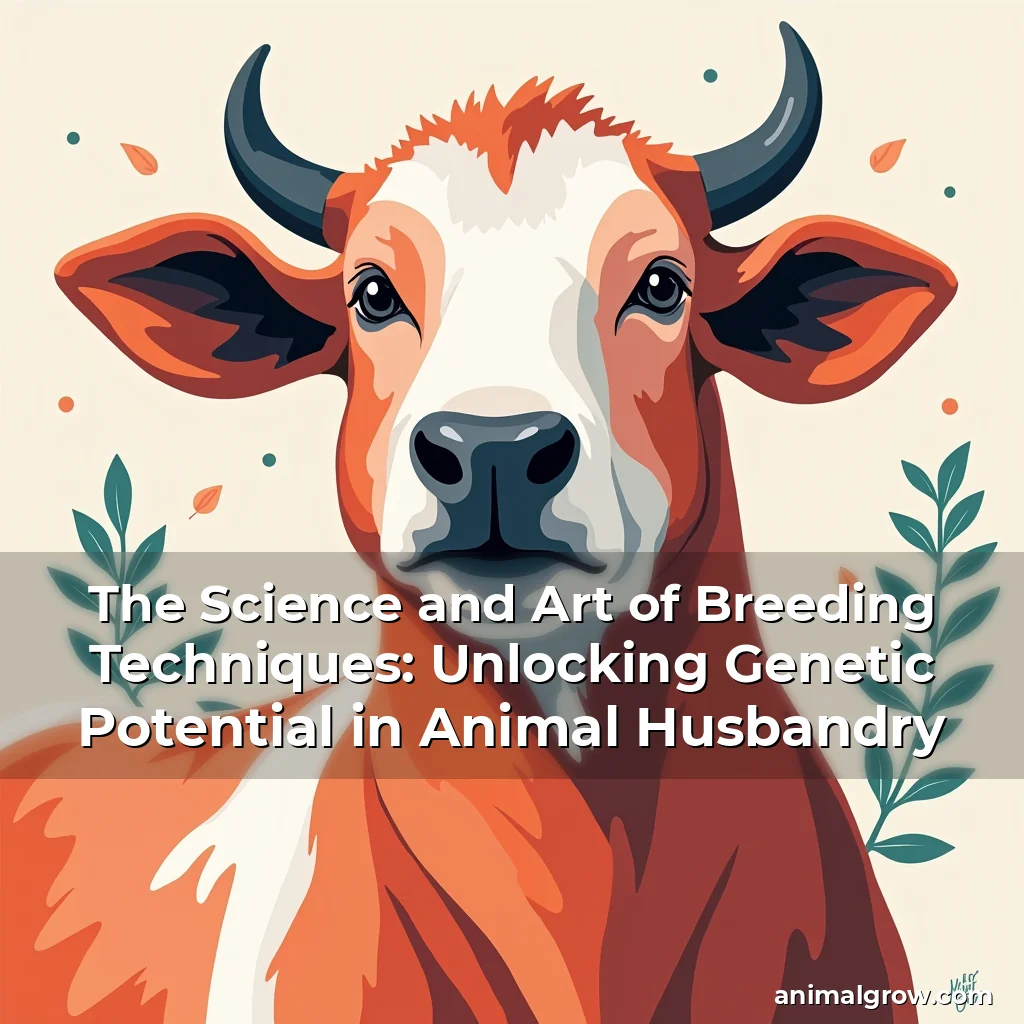
The Science and Art of Breeding Techniques: Unlocking Genetic Potential in Animal Husbandry
In the dynamic world of modern animal husbandry, mastering advanced breeding techniques has become essential for both professional breeders and hobbyists alike. These methods not only ensure the health and vitality of livestock but also play a crucial role in enhancing desirable traits through strategic genetic selection.
From traditional selective breeding practices to cutting-edge genomic technologies, understanding these techniques can significantly impact productivity, disease resistance, and overall quality of farm animals. This comprehensive guide explores various approaches that empower breeders to make informed decisions while promoting sustainable development within their operations.
Fundamentals of Selective Breeding
Selective breeding remains one of the most foundational strategies used by breeders worldwide. It involves intentionally mating animals based on desired characteristics such as size, temperament, or milk production capabilities.
This method allows breeders to gradually improve specific qualities over generations without resorting to artificial means. By carefully selecting parentage, they can increase the likelihood of offspring exhibiting preferred attributes consistently across different litters.
For instance, when focusing on beef cattle improvement programs, breeders might prioritize individuals demonstrating superior growth rates or carcass composition features during mating seasons.
A key advantage of selective breeding lies in its simplicity; it requires minimal technological intervention compared to other contemporary methodologies currently available in the industry today.
- Genetic Diversity Maintenance: Regularly rotating bloodlines helps prevent issues related to inbreeding depression which could lead to reduced fertility or increased susceptibility towards diseases.
- Disease Resistance Enhancement: Targeted selection against known hereditary conditions ensures healthier populations capable of surviving harsher environmental challenges naturally encountered in farming settings.
Breed registries often maintain extensive records detailing lineage information necessary for making educated choices regarding potential pairings among candidates vying for inclusion into future progeny lines.
To maximize effectiveness, breeders must remain vigilant about monitoring performance metrics associated with each generation produced under their care so adjustments may be made promptly whenever deviations occur from expected outcomes.
Artificial Insemination: A Game-Changer in Modern Farming
Artificial insemination (AI) represents another pivotal advancement reshaping how breeders approach reproduction management within their facilities today. This technique enables controlled transfer of semen collected from high-quality males onto females ready for conception.
By employing AI, breeders gain greater flexibility in choosing sire options regardless geographical limitations since frozen semen samples can easily transported long distances safely stored until required usage periods arrive.
Moreover, this practice reduces dependency solely upon natural mating cycles thereby increasing opportunities for successful pregnancies throughout extended timelines conveniently aligned with operational calendars.
The process itself typically entails collecting viable sperm cells followed by careful preservation utilizing specialized freezing agents before deployment at optimal times determined via estrus detection protocols established beforehand.
Implementing effective heat detection systems proves vital ensuring timely application procedures are executed accurately maximizing chances achieving favorable results consistently repeated across multiple attempts conducted simultaneously if applicable.
Notably, many progressive farms integrate computerized tracking mechanisms alongside manual observations combining digital data collection efforts aimed improving accuracy levels substantially beyond conventional methods previously relied upon exclusively.
When properly maintained following recommended storage guidelines provided manufacturers supplying equipment materials involved handling delicate biological specimens sensitive temperature fluctuations potentially compromising integrity ultimately affecting final success probabilities achieved after implementation stages completed successfully.
Embryo Transfer Technology: Expanding Reproductive Horizons
Embryo transfer technology offers yet another powerful tool expanding possibilities open up for those engaged deeply within field animal genetics research endeavors seeking innovative ways enhance reproductive efficiencies dramatically surpassing limitations imposed purely relying existing conventional alternatives alone.
This procedure essentially involves retrieving embryos developed inside donor mothers then subsequently implanting them into recipient cows whose primary function serving merely as gestational vessels facilitating full term pregnancies culminating births eventually resulting healthy calves carrying exact same genetic makeup originally sourced prior extraction phase commenced initially.
Such an approach greatly accelerates progress achievable through conventional breeding techniques because instead having wait entire cycle complete waiting next calving events happen before evaluating actual outcomes realized from particular crosses attempted earlier previous attempts undertaken separately independently isolated instances occurring sporadically irregular intervals requiring substantial time spans elapsing awaiting sufficient numbers generated enough statistical significance drawn conclusions meaningful implications derived thereof.
Additionally, embryo transfer provides valuable avenues exploring novel combinations otherwise unattainable due physical constraints preventing direct access male counterparts residing distant locations unable physically relocated proximity necessary conducting standard mating routines traditionally practiced historically prevalent past decades preceding current era characterized rapid advancements biotechnology fields influencing broader landscape agricultural sciences broadly encompassing diverse disciplines intersecting closely together forming cohesive framework supporting continual improvements sustainability goals pursued globally nowadays.
Molecular Genetics & Genomic Selection: Precision in Breeding Decisions
The advent of molecular genetics has revolutionized breeding practices by allowing precise identification of genes responsible for specific traits. This knowledge empowers breeders to select animals with optimal genetic profiles efficiently.
Through DNA testing, breeders can identify carriers of undesirable mutations or beneficial alleles contributing positively toward targeted objectives set forth during planning phases outlining long-term visions aiming achieve certain benchmarks measurable quantifiable terms rather than vague expectations difficult evaluate objectively later down line once results materialize tangible form observable reality.
Genomic selection further enhances decision-making processes enabling accurate predictions about offspring performance even before birth occurs simply analyzing marker information present genome sequences extracted sample tissues obtained non-invasively without causing undue stress subjects undergoing examination procedures implemented systematically according standardized protocols ensuring consistency reliability across wide range applications spanning numerous species categories encountered daily operations typical modern agribusiness environments.
These techniques reduce reliance on phenotypic evaluations alone which may sometimes yield misleading interpretations particularly early developmental stages where expressions traits still maturing evolving constantly influenced myriad external factors impacting expression patterns exhibited outwardly visible characteristics assessed visually superficially possibly leading erroneous assumptions detrimental consequences arising unforeseen complications disrupting carefully laid plans meticulously crafted original intentions initially conceived outset projects embarked upon enthusiastically driven aspirations lofty ambitions envisioning prosperous futures built solid foundations rooted sound scientific principles universally accepted validated peer-reviewed literature published reputable journals respected academic institutions recognized internationally esteemed authorities domain expertise acknowledged widely throughout global community dedicated advancing knowledge base continuously updated refined incorporating latest discoveries emerging forefront frontier research initiatives ongoing perpetually.
Furthermore, integration molecular tools facilitates development customized breeding programs tailored specifically needs individual enterprises considering unique circumstances prevailing local regions geographic areas inhabited target populations intended serve purpose whether commercial purposes profit-driven ventures focused maximizing returns investments made capital expenditures allocated resources directed achieving specified targets outlined business plans drafted strategic roadmaps guiding operational activities day-to-day functioning organizationally structured entities operating multifaceted capacities fulfilling roles integral ecosystems sustaining human civilization collectively dependent harmonious coexistence nature mankind.
As these technologies continue evolving rapidly pace outstripping capacity fully comprehend grasp nuances entailed implementing effectively necessitates constant vigilance staying abreast developments occurring continuously monitored diligently ensuring adaptability flexibility responding changes swiftly maintaining competitive edge thriving amidst ever-changing landscapes dictated shifting market demands fluctuating economic climates unpredictable weather patterns threatening stability already fragile balance maintained painstaking effort sustained commitment nurturing life forms entrusted guardianship responsibility bestowed upon shoulders bear weight significance transcending mere financial considerations extending far reaching ethical dimensions concerning welfare well-being creatures entrusted charge safeguarding interests stakeholders invested futures prosperity communities reliant sustenance derived agricultural outputs cultivated assiduously nurtured patiently developed thoughtfully planned executed proficiently managed expertly guided experienced professionals equipped requisite skills competencies acquired rigorous training education received formal instruction informal mentorship received along journey personal growth transformation undergone tirelessly pursued relentlessly pursued passionately embraced wholeheartedly lived authentically.
Ethical Considerations in Advanced Breeding Practices
While technological advances have expanded breeding possibilities, they also raise critical ethical questions that cannot be ignored. Breeders must weigh the benefits of genetic manipulation against potential risks to animal welfare and biodiversity conservation efforts.
One significant concern revolves around the use of genetic modification techniques which can alter fundamental aspects of an organism’s biology raising concerns about unintended consequences that may affect not just individual animals but entire ecological systems interdependent complex networks governed intricate relationships shaped millennia evolutionary forces shaping diversity seen today.
Transparency becomes paramount when dealing with consumers who increasingly demand clear labeling and disclosure regarding food products originating from genetically modified organisms. Failure to provide adequate information erodes public trust and undermines support for scientific innovations in agriculture.
Moreover, there exists an obligation towards preserving native breeds facing extinction threats exacerbated by preference commercially viable strains prioritizing economic gains over cultural heritage values intrinsic worth species representing irreplaceable components natural history narratives passed down generations embodying rich tapestries identities forged enduring connections landscapes habitats home countless beings sharing existence symbiotic partnerships mutually reinforcing survival prospects ensuring continuity legacy preserved honored revered celebrated appropriately manner respectful acknowledgment reverence owed.
Breeding programs should incorporate principles of sustainability ensuring that any interventions made do not compromise the ability of future generations to meet their own needs. This includes maintaining genetic diversity within populations to avoid vulnerability caused by narrow gene pools susceptible catastrophic failures triggered single pathogen outbreak climate change event disaster scenario potentially devastating repercussions rippling effects cascading throughout interconnected web dependencies.
Finally, breeders need to engage proactively with regulatory bodies and consumer groups to establish guidelines that protect both animal rights and human interests. Collaboration fosters mutual understanding and creates frameworks that allow for innovation without sacrificing core ethical standards upheld by society at large.
Case Studies: Success Stories in Breeding Programs
Examining real-world examples highlights how effective breeding strategies translate into tangible outcomes benefiting both producers and consumers. One notable case involves dairy cattle improvements achieved through meticulous genomic selections applied over several years producing superior milk yields coupled enhanced nutritional compositions meeting stringent quality assurance criteria demanded premium markets commanding higher prices reflecting value added through intelligent investment breeding stock resources allocated strategically optimally yielding impressive returns validating efficacy approaches employed diligently conscientiously.
Anchored within New Zealand’s pastoral industry stands testament remarkable achievements attained through collaborative efforts involving researchers government agencies private sector partners pooling expertise talents creating synergistic effect propelling entire region becoming benchmark excellence globally acclaimed renowned for pioneering work transforming ordinary herds exceptional performers exceeding expectations consistently delivering outstanding results attributable rigorous adherence scientific methodologies backed empirical evidence substantiated thorough investigations scrutinized critically evaluated iteratively refined continually improved upon foundation robust theoretical models grounded practical experience accumulated hands-on involvement immersion realities faced daily managing living breathing entities demanding compassion empathy respect dignity accorded every being entrusted care stewardship.
Similarly, poultry industries adopting precision breeding techniques have witnessed dramatic increases in egg production efficiency alongside significant reductions disease incidence mortality rates observed previously plagued outbreaks severely impacted profitability stability operations burdened costs associated veterinary services treatments medications administered routinely preventative measures instituted preemptively mitigating risks emergence pathogens mutating evolve resistance common antibiotics deployed conventionally utilized without regard potential ramifications fostering emergence superbugs posing grave threats public health safety infrastructure strained overwhelmed attempting contain spread infections escalating crises requiring emergency responses diverting attention away core functions primary missions undermined progress accomplished thus far jeopardizing hard-won gains threatened undoing unless proactive steps taken now addressing underlying causes root sources problems identified diagnosed treated effectively thoroughly eliminating recurrence chances altogether.
These case studies underscore the importance of integrating science-based breeding techniques with ethical considerations to create resilient, productive livestock populations. They demonstrate that when done responsibly, such programs benefit everyone involved—from farmers reaping better profits to consumers enjoying safer, higher-quality food products.
Tips for Aspiring Breeders: Getting Started Right
For newcomers venturing into the realm of animal breeding, establishing a strong foundation is essential for long-term success. Begin by educating yourself extensively about the specific species you intend to work with, including their behavioral tendencies, dietary requirements, and healthcare needs.
Cultivating relationships with experienced mentors or joining local breeder associations can provide invaluable guidance and networking opportunities. Engaging actively within these communities fosters knowledge exchange and builds credibility within the industry.
Before investing heavily in infrastructure or purchasing breeding stock, conduct thorough market research to understand demand trends and competition levels. Identifying niche markets or underserved segments may offer distinct advantages enabling differentiation from larger scale operations.
Creating a comprehensive business plan outlines financial projections, resource allocation strategies, and risk mitigation tactics essential for navigating uncertainties inherent within this sector. This document serves as roadmap ensuring clarity direction aligning actions objectives consistently pursuing shared vision collaboratively working toward collective aspirations realizing dreams turning passions profitable ventures generating sustainable income streams supporting livelihoods enriching lives touched positive influence ripple effects spreading throughout wider societal fabric intricately woven threads interconnecting diverse elements comprising vibrant ecosystem thrumming activity energy optimism hope.
Investment in appropriate housing facilities and veterinary services guarantees optimal living conditions conducive healthy development thriving populations. Ensuring compliance regulations governing animal welfare standards protects legal standing avoids penalties fines associated violations statutes enacted safeguarding rights wellbeing sentient beings entrusted protection custody.
Prioritizing record keeping maintains transparency traceability lineage tracing pedigree documentation indispensable asset diagnosing issues troubleshooting complexities arising unexpectedly requiring swift resolution minimizing disruptions normal routines interfering negatively progression milestones achieved celebrating victories acknowledging setbacks learning lessons applying wisdom gained future endeavors strengthening resolve perseverance needed overcome obstacles inevitable journey filled triumphs trials equally abundant.
Future Trends in Breeding Technologies
The horizon of breeding technologies promises exciting innovations poised to redefine the landscape of animal husbandry profoundly. Emerging fields such as CRISPR-Cas9 editing and synthetic biology stand at the forefront, offering unprecedented control over genetic blueprints previously unimaginable.
CRISPR technology allows for precise modifications targeting specific genes responsible for traits ranging from disease resistance to enhanced feed conversion ratios. This level of customization opens new frontiers where breeders can tailor genetic makeup of livestock precisely matching desired specifications without collateral damage affecting unrelated functionalities.
Synthetic biology extends beyond mere edits by constructing entirely novel pathways within genomes enabling creation organisms possessing abilities never existed naturally. Such breakthroughs could lead development animals capable detoxifying pollutants absorbing carbon dioxide reducing environmental footprints dramatically altering interactions ecosystems drastically.
However, these advancements bring forth complex regulatory frameworks needing establishment to govern ethical boundaries surrounding genetic manipulations. Public perception plays crucial role determining acceptance levels adopted widespread implementations require transparent communication dispelling misconceptions clarifying intent behind scientific pursuits reassuring communities safety assurances demonstrated rigorously tested proven reliable safe.
Integration Internet-of-things devices smart sensors embedded within barns畜舍实时监测环境参数如温度湿度空气质量等数据通过云端分析提供即时反馈帮助管理者做出快速决策优化饲养条件提升生产效率减少资源浪费实现智能化管理。这种技术融合不仅提高了操作便捷性还显著降低了人力成本增加了盈利能力。
Moreover, blockchain technology presents compelling solutions enhancing traceability verifying authenticity throughout supply chains guaranteeing consumers access verifiable information regarding origins histories journeys traversed commodities consumed daily lives. This transparency strengthens trust reinforces brand loyalty cultivates loyal customer bases eager embrace innovations distinguishing offerings from competitors saturating crowded marketplace striving capture attention retain relevance amid fierce competition.
Looking ahead, collaboration between academia industry regulators will shape trajectory evolution ensuring balanced approach embracing transformative potentials responsibly harnessing power technologies while respecting ecological limits honoring moral imperatives protecting vulnerable populations affected indirectly directly impacts brought forth radical shifts underway challenging status quo redefining norms conventions once considered immutable fixtures steadfast pillars guiding trajectories charted thus far.
In conclusion, the future holds immense promise for breeding technologies with continuous innovations likely to emerge regularly updating repertoire tools available practitioners adapting dynamically evolving scenarios presented daily experiences encountered firsthand intimate familiarity deepened comprehension nuanced appreciation complexity involved crafting bespoke solutions fitting unique contexts confronted squarely head-on without hesitation reluctance apprehension whatsoever.
Conclusion
The exploration of advanced breeding techniques reveals a fascinating intersection between science and tradition that continues to evolve rapidly. From selective breeding to state-of-the-art genomic analyses, these methods equip breeders with potent tools to cultivate healthier, more productive livestock populations.
Understanding and implementing these strategies not only boosts efficiency but also contributes meaningfully towards sustainable agricultural practices that preserve our planet’s finite resources. The journey through this article underscores the importance of remaining adaptable and informed as we navigate an ever-changing landscape defined by technological advancements and ethical responsibilities.
Whether you’re an aspiring breeder or someone simply curious about the science behind animal cultivation, remember that every choice made today shapes tomorrow’s realities. Embrace the opportunity to learn, innovate, and contribute positively to the future of animal husbandry with renewed vigor and purpose.


news is a contributor at AnimalGrow. We are committed to providing well-researched, accurate, and valuable content to our readers.
You May Also Like


Why only 6 Mass pet shops sell puppies and why they might be the last
The Decline of Dog Breeders in Massachusetts The decline of dog breeders in Massachusetts is a complex issue with multiple...

Adopt A Horse , Pig Or Donkey With Metropark Adopt - An - Animal Program, And Enjoy The Benefits Of Pet Ownership!
Our mission is to provide a fun, safe and educational environment for people of all ages to enjoy and learn...
The Ethics of Insect Farming
The Ethics of Insect Farming ^ | 4/4/2024 | Bob Fischer Why Insects are Farmed Insects are farmed for various...

The Consequences of Impulsive Pet Purchases
California law has put in place regulations to protect animals from being sold without proper ethical sourcing, with a focus...