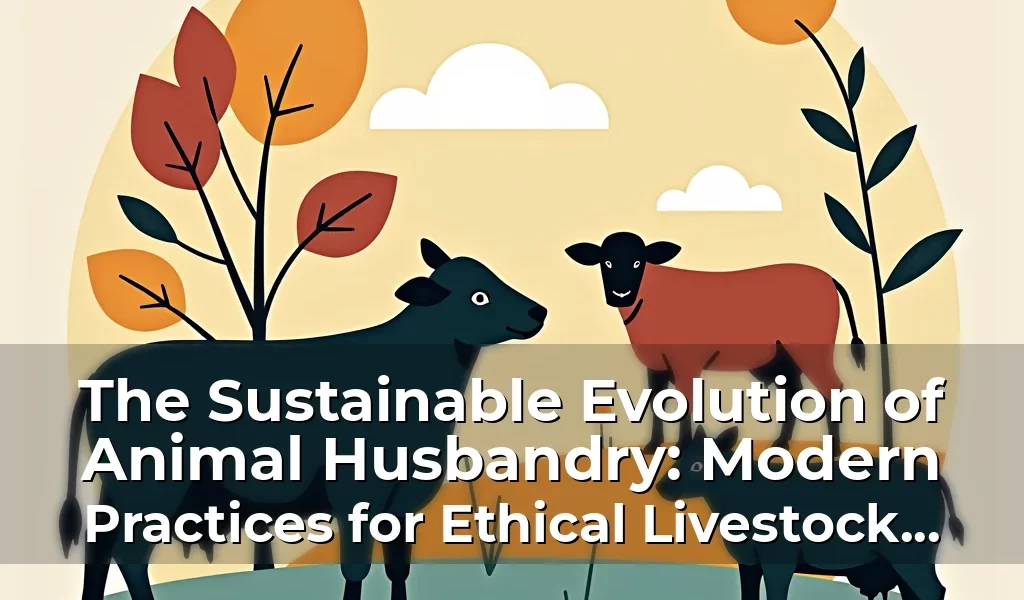
The Sustainable Evolution of Animal Husbandry: Modern Practices for Ethical Livestock Management
In an era where food security and environmental sustainability are paramount, modern animal husbandry has transformed from traditional farming methods into a sophisticated science that balances productivity with ethical responsibility. This evolution reflects not only advancements in technology but also growing awareness of the impact livestock production has on ecosystems, human health, and economic stability.
From small-scale family farms to industrial operations, today’s animal husbandry integrates cutting-edge research, genetic selection, nutritional optimization, and disease management systems that ensure both high yields and humane treatment of animals. Understanding these principles is crucial for anyone involved in agriculture or concerned about global food challenges.
Fundamental Principles of Contemporary Animal Husbandry
Modern animal husbandry is guided by core principles that prioritize animal welfare while maximizing agricultural output. These foundational elements include understanding species-specific needs, maintaining optimal living conditions, ensuring proper nutrition, implementing effective breeding strategies, and employing disease prevention protocols.
A critical aspect of contemporary practices involves recognizing the biological differences among various livestock species—whether cattle, poultry, swine, or equines—and tailoring care accordingly. For example, ruminants such as cows require different dietary structures compared to monogastric animals like pigs or chickens.
- Nutritional Balance: Ensuring livestock receive appropriate ratios of proteins, carbohydrates, vitamins, and minerals tailored to their life stages and production goals.
- Housing Requirements: Providing adequate space, ventilation, and bedding materials suited to each species’ natural behaviors and comfort levels.
Evolving Technologies in Animal Production Systems
The integration of advanced technologies has revolutionized how we manage livestock populations across diverse environments. Precision feeding systems, automated milking machines, climate-controlled barns, and digital monitoring tools now play pivotal roles in optimizing productivity while minimizing waste and stress factors.
One remarkable advancement includes the use of artificial intelligence for predictive analytics in herd management. By analyzing data patterns related to feed conversion rates, reproductive cycles, and health indicators, farmers can make informed decisions that enhance overall farm efficiency.
For instance, sensors embedded within animal collars or ear tags continuously monitor vital signs such as body temperature, heart rate, and activity levels. When deviations occur beyond normal thresholds, alerts trigger immediate veterinary intervention before illness spreads throughout the population.
Sustainable Farming Practices in Animal Agriculture
Sustainability remains at the forefront of current discussions surrounding animal husbandry due to its direct connection with land use, water consumption, greenhouse gas emissions, and biodiversity conservation efforts. Adopting eco-friendly approaches ensures long-term viability without compromising future generations’ ability to meet their own needs.
An essential strategy for sustainable farming involves rotating pastures regularly rather than keeping animals confined to single areas indefinitely. This technique prevents overgrazing damage while allowing vegetation time to regenerate naturally through nitrogen fixation processes performed by legumes present in mixed grazing systems.
Environmental Impacts of Different Livestock Species
Different types of livestock contribute uniquely to ecological footprints based primarily upon methane emission potentials and resource requirements during rearing phases. Cattle typically produce higher quantities of enteric fermentation gases compared to sheep or goats, which have smaller digestive tracts resulting lower overall methane outputs per unit weight gain.
Beyond methane considerations, water usage varies significantly amongst species; raising beef cattle requires approximately eleven thousand liters of water per kilogram produced versus around five thousand liters required for chicken meat generation according to studies published recently by FAO (Food and Agriculture Organization).
Ethical Considerations in Modern Livestock Care
As society becomes increasingly conscious regarding animal rights issues, ethical stewardship has become integral part any responsible animal husbandry program today. Implementing humane handling procedures minimizes physical trauma associated transport activities whereas improved slaughter techniques aim reduce suffering experienced final moments lives.
Cage-free housing arrangements represent significant progress towards enhancing avian well-being particularly within egg-laying operations where hens formerly restricted cramped enclosures now enjoy access open spaces complete nesting boxes perching areas promoting natural behavioral expression.
Genetic Selection and Breeding Innovations
Advancements genetics field profoundly influence contemporary animal husbandry allowing selective breeding programs targeted improvement traits related growth performance disease resistance milk yield etc. Utilizing DNA markers enables identification desirable characteristics carriers facilitating efficient crossbreeding schemes aimed producing offspring combine best features parents.
Precision genomic testing now allows breeders analyze entire genomes individual animals predict potential outcomes progeny prior mating decisions made further streamline process obtaining desired phenotypes reducing unintended consequences could arise conventional random pairings.
Disease Prevention Strategies in Intensive Livestock Operations
Preventive healthcare measures constitute cornerstone successful animal husbandry initiatives especially under intensive rearing conditions prone outbreaks pathogens transmitted close proximity many animals kept together facilities.
Vaccination schedules tailored specific age groups susceptible diseases prevalent local regions form first line defense against infectious agents threatening flock herds. Regular health inspections conducted professional veterinarians help detect early symptoms illnesses requiring prompt action prevent widespread contamination.
Feed Management Optimization Techniques
Efficient utilization nutrients provided feedstuffs determines much success achieving productive livestock enterprises. Formulating balanced ration considers energy protein fiber vitamin mineral contents necessary support physiological functions maintain healthy condition organisms.
Supplemental feeds fortified additional micronutrients sometimes administered alongside basal diets particular circumstances when deficiencies identified routine checkups laboratory analyses blood samples taken periodic intervals assess adequacy nourishment regimens being followed.
Moreover automation technologies employed silo storage distribution systems minimize losses spoilage occurs exposed ambient temperatures humidity levels control precisely managed through computerized monitoring devices installed throughout premises.
Water Conservation Methods for Poultry and Swine Facilities
Considering substantial volumes fresh clean water consumed daily operations involving poultry swine management devising innovative ways conserve resources becoming priority agenda item planners operators seeking minimize operational costs sustain environmentally friendly approach overall business model.
Implementing drip irrigation techniques instead traditional overhead sprinklers reduces evaporation losses increases absorption rates beneficial plants growing greenhouses adjacent processing units recycling treated wastewater appropriately filtered cleaned prior reuse applications less sensitive tasks.
To enhance availability hydration sources inside sheds barns installing strategically located drinking fountains equipped automatic refill mechanisms guarantee constant supply water animals access whenever thirsty ensuring good hydration levels maintained consistently without risk dehydration occurring prolonged periods lack replenishment.
Labor Force Dynamics Within Agricultural Establishments Engaged Animal Rearing Activities
Workforce composition staffing requirements differ considerably depending scale operation type enterprise involved cultivating domesticated creatures serving varied purposes commercialization endeavors educational institutions research organizations focused studying biological aspects development new methodologies applied industry standards.
Training programs designed equip workers requisite skills perform duties efficiently safely including instruction hygiene protocols safe handling equipment maintenance checks calibration instruments utilized monitoring systems tracking parameters essential sustaining quality assurance throughout product chain leading market shelves globally available consumers worldwide.
Emphasis placed fostering inclusive workplace cultures respectful diversity perspectives encourages collaborative spirit innovation breakthroughs emerge collective wisdom brought forth individuals representing wide range backgrounds expertise.
Financial Aspects Influencing Decisions Regarding Investment Expansion Plans Related Enterprises Involved Animal Production Industries
Capital expenditures allocated infrastructure development machinery acquisitions staff recruitment training sessions depend heavily anticipated returns investment timelines projected revenues generated sales products services offered marketplace competition existing entities vying same customer base geographic regions affected fluctuating economic climates impacting purchasing power potential buyers consumers alike.
Risk assessment frameworks implemented evaluate vulnerabilities threats might jeopardize profitability enterprises operating unpredictable variables weather patterns government policies regulatory changes affecting compliance obligations mandatory certifications adhered strictly avoid legal complications fines penalties incurred noncompliance.
Diversification portfolios spreading financial risks across multiple revenue streams mitigates adverse effects downturns specific sectors experience decline demand forces companies adapt swiftly evolving landscape competitive advantages sustained longer duration successful ventures pursued continually refined adjusted strategic objectives aligned corporate vision mission statements guiding directions undertaken management teams steering operations effectively.
Community Engagement Initiatives Supporting Local Food Movements Emphasizing Sustainably Raised Products Marketed Directly Consumers Through Farmers Markets Community Supported Agriculture Programs
Building stronger connections between producers end-users fosters greater appreciation value derived locally sourced foods cultivated using ethical sound ecological practices resonating communities seeking healthier options mindful about environmental impacts choices consume daily.
Participating CSAs enables subscribers receive regular deliveries fresh harvests straight farm gates strengthening bonds trust mutual respect cultivated relationships flourish over time reinforcing commitment shared values transparency accountability upheld throughout every stage cultivation distribution consumption cycle food commodity traverses.
Such grassroots movements empower individuals exert positive change environment simply opting purchase goods ethically raised promoting ripple effect wider acceptance alternative models coexisting industrialized systems benefiting everyone involved ecosystem preserved enriched future generations inherit.
Emerging Trends Shaping Future Directions Industry Including Cell Culture Meat Alternative Proteins Derived Fermentation Processes Biotechnology Applications
Biotech innovations promising disrupt traditional paradigms relied animal origin commodities offering viable substitutes addressing concerns related animal welfare carbon footprint scalability sustainability challenges faced expanding population demands nutritious affordable sources protein sustenance.
Cultured meat developed from stem cells grown bioreactors presents revolutionary option eliminating need raising slaughtering sentient beings altogether providing leaner variants nutrient compositions optimized human digestion enhanced palatability qualities comparable conventionally prepared meals beloved culinary traditions embraced societies everywhere planet.
Similarly lab-grown dairy ingredients extracted microbial fermentation promise replicating flavors textures found nature without causing distress harm animals used milk collection processes historically practiced industries supplying beverage products consumed millions people globally.
Challenges Facing Next Generation Producers Seeking Enter Field Fresh Perspectives Solutions Problems Perennial Issues Concerning Environmental Degradation Health Risks Socioeconomic Disparities Persistently Plague Sector Despite Progress Made Areas Mentioned Previously
Tackling multifaceted problems demanding coordinated efforts governments stakeholders private sector academia civil society civil organizations invested solutions harmonious balance achieved development conservation prosperity equity guaranteed protected safeguarded simultaneously.
Climate change poses imminent threat agroecosystems necessitating adaptive strategies resilience built resilient systems capable withstand extreme weather events droughts floods pests invasive species emerging rapidly altering landscapes inhabited livestock operations require modification layouts shelter facilities insulation materials employed protect vulnerable stock assets investments secured against adversarial conditions.
Furthermore antibiotic resistance escalating concern worldwide stemming excessive reliance pharmaceutical interventions prophylactic treatments therapeutic courses administering medications treating infections bacterial strains acquiring immunity drug therapies undermining effectiveness once miraculous cures saved countless lives endangered now compromised efficacy diminished potency remaining arsenal combating deadly microbes spread hospitals clinics communities indiscriminately.
Conclusion
The journey toward sustainable, ethical, and scientifically driven animal husbandry continues to evolve rapidly, shaped by technological breakthroughs, shifting societal values, and pressing environmental imperatives. From integrating AI into livestock management to exploring cell-cultured alternatives, the field offers numerous opportunities for innovation and improvement.
By prioritizing holistic approaches that consider animal welfare, ecological integrity, and socio-economic equity, future developments will likely redefine what it means to responsibly raise livestock in harmony with our changing world. Continued education, collaboration, and adaptation remain key to navigating this dynamic landscape successfully.

news is a contributor at AnimalGrow. We are committed to providing well-researched, accurate, and valuable content to our readers.