The Regenerative Revolution: Cultivating Earth-Friendly Agriculture for Future Generations
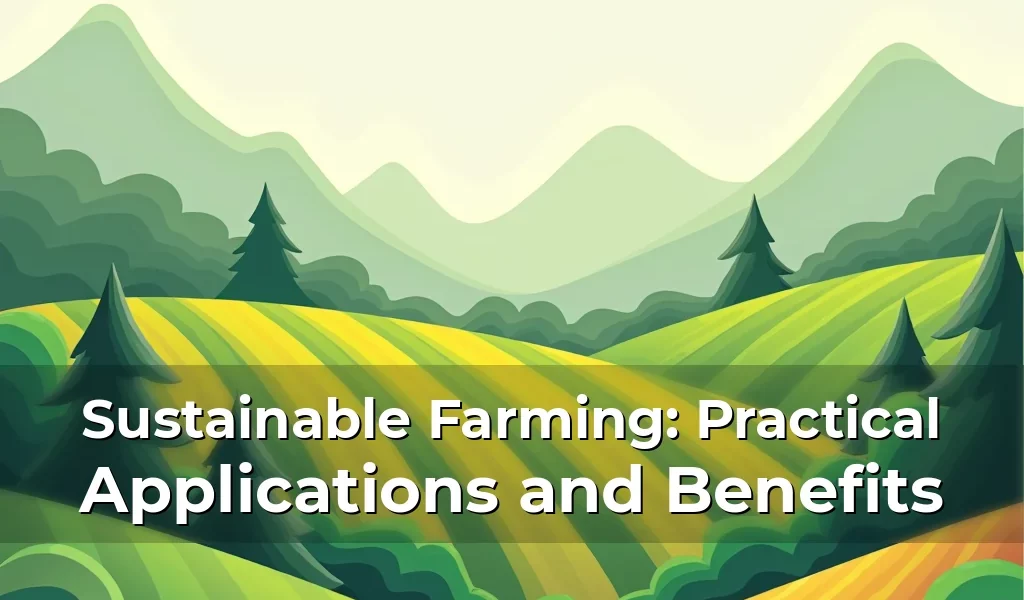
In an era where climate change threatens our planet’s stability, sustainable farming has emerged as both a necessity and a revolution. This approach redefines agriculture by prioritizing environmental health alongside food production.
At its core, sustainable farming is not merely about reducing harm—it’s about restoring ecosystems through innovative practices that benefit farmers, consumers, and nature alike.
Redefining Sustainability Through Soil Health
The foundation of any thriving farm lies beneath our feet—in the soil itself. Healthy soils are teeming with life, from microscopic organisms to earthworms, which work tirelessly to maintain fertility and structure.
Sustainable farms prioritize building rich, living soils through natural processes rather than relying solely on synthetic inputs. Techniques such as cover cropping and composting mimic natural nutrient cycles while enhancing water retention capabilities.
- Cover Crops: Plants like clover and rye protect bare soil from erosion while fixing nitrogen naturally into the ground.
- Composting: Transforming organic waste into nutrient-dense amendments reduces landfill contributions and replenishes vital minerals.
Biodiversity as a Cornerstone of Resilience
Agricultural monocultures may yield high volumes of crops but leave ecosystems vulnerable to pests and disease outbreaks. Diversified systems offer built-in resilience against these threats.
Farmers practicing sustainable methods integrate companion planting strategies, rotating crops annually, and maintaining pollinator habitats across their landholdings.
Ecological Synergy in Practice
Research shows diversified farms can increase yields by up to 30% compared to conventional counterparts due to improved pest control and better resource utilization. For instance, intercropping legumes with cereal grains enhances both nutritional value and soil fertility simultaneously.
This synergy extends beyond plant life—supporting native bee populations alone contributes significantly to overall crop productivity without chemical interventions.
Eco-Conscious Water Management Strategies
Water scarcity challenges many regions globally, making efficient irrigation essential for long-term viability. Sustainable farms implement smart technologies and traditional wisdom to optimize usage.
Drip irrigation systems deliver moisture directly to roots, minimizing evaporation losses while ensuring precise hydration levels tailored to each plant species’ needs.
Reducing Carbon Footprints Through Farming Practices
Traditional agricultural methods contribute substantially to greenhouse gas emissions, particularly through excessive fertilizer use and heavy machinery reliance. However, regenerative techniques offer promising solutions.
By adopting no-till farming approaches, producers avoid disturbing carbon-rich topsoils that would otherwise release stored CO₂ back into the atmosphere during tilling operations.
Pest Control Without Chemical Dependency
Synthetic pesticides disrupt delicate ecological balances and pose risks to human health when residues enter the food chain. Sustainable alternatives promote long-term ecosystem harmony instead of temporary fixes.
Natural predators like ladybugs help manage aphid populations organically. Additionally, planting diverse vegetation creates microhabitats that support beneficial insect communities.
Community Engagement & Local Food Systems
Sustainable farming thrives when integrated within supportive local networks. Direct-to-consumer models reduce transportation-related emissions while strengthening regional economies.
Community-supported agriculture (CSA) programs allow members to invest directly in seasonal harvests, creating financial stability for small-scale growers committed to ethical practices.
Policy Support & Economic Viability
Government policies play crucial roles in shaping agricultural landscapes. Subsidies often favor industrialized farming over environmentally sound methods unless deliberately redirected toward sustainability initiatives.
Some countries have successfully implemented incentive structures rewarding farmers who adopt conservation tillage, agroforestry integration, or rotational grazing protocols known to enhance biodiversity.
Tech Innovations Powering Sustainable Agriculture
Advancements in technology provide new tools enabling precision agriculture at scale. From satellite imaging to AI-driven analytics, digital solutions assist in optimizing resource allocation efficiently.
IoT-enabled sensors monitor soil conditions continuously, alerting farmers instantly when adjustments need made regarding watering schedules or nutrient application rates.
Education & Knowledge Sharing Platforms
Empowering future generations requires accessible education focused specifically on sustainable principles. Universities increasingly incorporate regenerative practices into curricula alongside traditional agronomy studies.
Online platforms host interactive webinars connecting experts worldwide with aspiring farmers seeking guidance on transitioning towards eco-friendly methodologies safely and effectively.
Measuring Success: Indicators of Progress
Evaluating progress demands clear metrics aligned with sustainability goals. Farmers track improvements using indicators ranging from soil organic matter percentages to wildlife sightings frequency around fields.
Data collection remains ongoing; periodic assessments reveal whether adopted measures truly result in enhanced environmental outcomes versus mere theoretical gains.
Global Case Studies Demonstrating Impact
Across continents, successful implementations showcase how various cultures adapt shared principles uniquely based upon geographic contexts and available resources.
In sub-Saharan Africa, farmer cooperatives utilize push-pull technology combining repellent plants with attractant ones strategically placed near plots—an effective method controlling stemborers without chemicals.
Challenges Ahead: Overcoming Barriers To Adoption
Despite growing awareness surrounding benefits associated with sustainable approaches, several obstacles hinder widespread implementation among current practitioners.
Limited access to capital presents significant hurdles especially for those wishing transition away from established yet less ecologically friendly systems already invested heavily financially.
Future Horizons In Sustainable Farming
Ongoing research explores novel frontiers poised potentially transforming industry standards permanently. Scientists experiment continually developing resilient crop varieties capable surviving extreme weather events becoming commonplace due to shifting climates.
Biotechnology innovations promise breakthroughs including drought-resistant strains engineered precisely meet emerging environmental demands while preserving genetic diversity critical sustaining healthy ecosystems.
Conclusion
Sustainable farming represents much more than alternative means producing food—it signifies fundamental shift toward harmonious coexistence between humanity’s most basic survival needs and planetary wellbeing.
As individuals engage actively supporting local initiatives promoting responsible stewardship of land resources, we collectively pave way forward ensuring nourishment security exists hand-in-hand with ecological integrity for generations ahead.
“`
The Regenerative Revolution: Cultivating Earth-Friendly Agriculture for Future Generations
In an era where climate change threatens our planet’s stability, sustainable farming has emerged as both a necessity and a revolution. This approach redefines agriculture by prioritizing environmental health alongside food production.
At its core, sustainable farming is not merely about reducing harm—it’s about restoring ecosystems through innovative practices that benefit farmers, consumers, and nature alike.
Redefining Sustainability Through Soil Health
The foundation of any thriving farm lies beneath our feet—in the soil itself. Healthy soils are teeming with life, from microscopic organisms to earthworms, which work tirelessly to maintain fertility and structure.
Sustainable farms prioritize building rich, living soils through natural processes rather than relying solely on synthetic inputs. Techniques such as cover cropping and composting mimic natural nutrient cycles while enhancing water retention capabilities.
- Cover Crops: Plants like clover and rye protect bare soil from erosion while fixing nitrogen naturally into the ground.
- Composting: Transforming organic waste into nutrient-dense amendments reduces landfill contributions and replenishes vital minerals.
Biodiversity as a Cornerstone of Resilience
Agricultural monocultures may yield high volumes of crops but leave ecosystems vulnerable to pests and disease outbreaks. Diversified systems offer built-in resilience against these threats.
Farmers practicing sustainable methods integrate companion planting strategies, rotating crops annually, and maintaining pollinator habitats across their landholdings.
Ecological Synergy in Practice
Research shows diversified farms can increase yields by up to 30% compared to conventional counterparts due to improved pest control and better resource utilization. For instance, intercropping legumes with cereal grains enhances both nutritional value and soil fertility simultaneously.
This synergy extends beyond plant life—supporting native bee populations alone contributes significantly to overall crop productivity without chemical interventions.
Eco-Conscious Water Management Strategies
Water scarcity challenges many regions globally, making efficient irrigation essential for long-term viability. Sustainable farms implement smart technologies and traditional wisdom to optimize usage.
Drip irrigation systems deliver moisture directly to roots, minimizing evaporation losses while ensuring precise hydration levels tailored to each plant species’ needs.
Reducing Carbon Footprints Through Farming Practices
Traditional agricultural methods contribute substantially to greenhouse gas emissions, particularly through excessive fertilizer use and heavy machinery reliance. However, regenerative techniques offer promising solutions.
By adopting no-till farming approaches, producers avoid disturbing carbon-rich topsoils that would otherwise release stored CO₂ back into the atmosphere during tilling operations.
Pest Control Without Chemical Dependency
Synthetic pesticides disrupt delicate ecological balances and pose risks to human health when residues enter the food chain. Sustainable alternatives promote long-term ecosystem harmony instead of temporary fixes.
Natural predators like ladybugs help manage aphid populations organically. Additionally, planting diverse vegetation creates microhabitats that support beneficial insect communities.
Community Engagement & Local Food Systems
Sustainable farming thrives when integrated within supportive local networks. Direct-to-consumer models reduce transportation-related emissions while strengthening regional economies.
Community-supported agriculture (CSA) programs allow members to invest directly in seasonal harvests, creating financial stability for small-scale growers committed to ethical practices.
Policy Support & Economic Viability
Government policies play crucial roles in shaping agricultural landscapes. Subsidies often favor industrialized farming over environmentally sound methods unless deliberately redirected toward sustainability initiatives.
Some countries have successfully implemented incentive structures rewarding farmers who adopt conservation tillage, agroforestry integration, or rotational grazing protocols known to enhance biodiversity.
Tech Innovations Powering Sustainable Agriculture
Advancements in technology provide new tools enabling precision agriculture at scale. From satellite imaging to AI-driven analytics, digital solutions assist in optimizing resource allocation efficiently.
IoT-enabled sensors monitor soil conditions continuously, alerting farmers instantly when adjustments need made regarding watering schedules or nutrient application rates.
Education & Knowledge Sharing Platforms
Empowering future generations requires accessible education focused specifically on sustainable principles. Universities increasingly incorporate regenerative practices into curricula alongside traditional agronomy studies.
Online platforms host interactive webinars connecting experts worldwide with aspiring farmers seeking guidance on transitioning towards eco-friendly methodologies safely and effectively.
Measuring Success: Indicators of Progress
Evaluating progress demands clear metrics aligned with sustainability goals. Farmers track improvements using indicators ranging from soil organic matter percentages to wildlife sightings frequency around fields.
Data collection remains ongoing; periodic assessments reveal whether adopted measures truly result in enhanced environmental outcomes versus mere theoretical gains.
Global Case Studies Demonstrating Impact
Across continents, successful implementations showcase how various cultures adapt shared principles uniquely based upon geographic contexts and available resources.
In sub-Saharan Africa, farmer cooperatives utilize push-pull technology combining repellent plants with attractant ones strategically placed near plots—an effective method controlling stemborers without chemicals.
Challenges Ahead: Overcoming Barriers To Adoption
Despite growing awareness surrounding benefits associated with sustainable approaches, several obstacles hinder widespread implementation among current practitioners.
Limited access to capital presents significant hurdles especially for those wishing transition away from established yet less ecologically friendly systems already invested heavily financially.
Future Horizons In Sustainable Farming
Ongoing research explores novel frontiers poised potentially transforming industry standards permanently. Scientists experiment continually developing resilient crop varieties capable surviving extreme weather events becoming commonplace due to shifting climates.
Biotechnology innovations promise breakthroughs including drought-resistant strains engineered precisely meet emerging environmental demands while preserving genetic diversity critical sustaining healthy ecosystems.
Conclusion
Sustainable farming represents much more than alternative means producing food—it signifies fundamental shift toward harmonious coexistence between humanity’s most basic survival needs and planetary wellbeing.
As individuals engage actively supporting local initiatives promoting responsible stewardship of land resources, we collectively pave way forward ensuring nourishment security exists hand-in-hand with ecological integrity for generations ahead.
“`

news is a contributor at AnimalGrow. We are committed to providing well-researched, accurate, and valuable content to our readers.