The Science and Art of Sustainable Farming Techniques: Cultivating Abundance Naturally
In an era where food security and environmental sustainability are paramount concerns, modern farmers face unprecedented challenges and opportunities. The global population’s rapid growth has intensified demands on agricultural systems, while climate change introduces unpredictable weather patterns and resource scarcity.
This guide delves into innovative yet time-tested farming techniques that balance productivity with ecological responsibility. From regenerative agriculture practices to cutting-edge biotechnology applications, we explore methods that ensure both thriving crops and healthy ecosystems.
Cultivating Soil Health through Regenerative Practices
The foundation of any successful farm begins beneath our feet—in the soil itself. Healthy soils act as living reservoirs of nutrients, water-holding capacity, and microbial activity essential for plant health and resilience against pests and diseases.
Regenerative agriculture focuses on rebuilding topsoil organic matter through natural processes rather than relying solely on chemical inputs. This approach not only improves crop yields but also enhances carbon sequestration capabilities, helping mitigate climate change impacts.
One key practice within regenerative farming is cover cropping. By planting species such as clover, rye, or vetch during fallow periods, farmers can prevent erosion, suppress weeds naturally, and fix nitrogen back into the soil—a critical nutrient for most plants.
Composting represents another vital component of sustainable soil management. Organic waste materials from livestock operations, kitchen scraps, or crop residues can be transformed into rich compost that replenishes soil fertility without synthetic fertilizers.
- No-till farming: Preserves soil structure by minimizing mechanical disturbance, reducing erosion risks, and maintaining beneficial microorganisms’ habitats.
- Biodiversity promotion: Introducing diverse plant species encourages complex root networks that enhance soil stability and moisture retention capabilities across different seasons.
Water Conservation Strategies for Drought Resistant Crops
With increasing frequency of drought conditions worldwide due to climate variability, efficient water use becomes crucial for sustaining productive farms. Traditional irrigation methods often lead to significant water wastage through evaporation losses and runoff issues.
Drip irrigation technology delivers water directly to plant roots at controlled rates, minimizing evapotranspiration loss compared to overhead sprinklers which wet entire fields unnecessarily. This precision helps conserve up to 60% less water while still achieving optimal hydration levels for crops.
Drought-resistant crop varieties have been developed using selective breeding programs combined with genetic modification techniques. These cultivars require fewer watering cycles yet maintain high yield potentials even under stress conditions caused by limited rainfall availability.
Soil mulching plays an integral role in conserving moisture levels around planted areas. Applying layers of straw, wood chips, or other organic material reduces surface evaporation significantly—upwards of 80% according to some studies—and maintains cooler temperatures beneficial for certain types of vegetation growth.
Implementing rainwater harvesting systems allows farmers to collect precipitation from rooftops, barn structures, or dedicated catchment basins strategically placed throughout their land holdings. Stored water can then be used judiciously during dry spells when natural supply diminishes.
Integrating Livestock Systems for Holistic Land Management
Livestock integration offers multifaceted benefits beyond mere meat production; it contributes positively toward overall farm biodiversity and resource cycling efficiencies. When managed properly, animals help recycle nutrients back into pastures through manure deposition patterns while simultaneously providing labor services for tillage tasks.
Moving away from conventional confined animal feeding operations (CAFOs), rotational grazing models allow herds access to fresh grasslands periodically instead of being kept stationary within enclosures. This movement pattern stimulates new growth spurts in vegetation and prevents overgrazing damage to sensitive ecosystem components.
Silage production involves fermenting chopped green fodder under anaerobic conditions to create preserved feedstock suitable year-round consumption by various livestock categories including cattle, sheep, and goats. Proper silage preparation ensures nutritional value remains intact despite long storage durations.
Farmers employing integrated pest management strategies benefit greatly from having poultry flocks roam freely among crop plots. Chickens effectively scavenge insect populations harmful to emerging seedlings while also contributing to weed control efforts via scratching behavior that disrupts germination processes.
Manure management presents both challenges and advantages depending upon how well it’s handled. While improperly stored excreta can become pollution sources affecting nearby water bodies, correctly processed livestock wastes serve as excellent amendments enriching soils with essential minerals necessary for robust plant development.
Precision Agriculture Technologies Enhancing Yield Efficiency
Advancements in digital technologies now enable farmers to make data-driven decisions regarding planting schedules, fertilizer application rates, and pest monitoring protocols—all aimed at maximizing output quality alongside minimizing input costs associated with traditional agronomic approaches.
GPS-guided machinery facilitates accurate field mapping activities allowing operators to track exactly where seeds were sown along with subsequent harvest records. Such precise location tracking aids immensely in identifying problem spots requiring special attention based purely on historical performance metrics tied specifically to those locations.
Sensors embedded within soil samples continuously monitor parameters like temperature fluctuations, pH balances, and available nutrient concentrations. Real-time feedback enables timely interventions before deficiencies negatively impact potential harvest outcomes.
Remote sensing satellites provide aerial views capturing variations in crop canopy density indicative of possible disease outbreaks early enough for remedial actions. This proactive stance significantly reduces economic losses attributable to untimely detection delays commonly experienced with manual inspection routines alone.
Automated drones equipped with multispectral imaging cameras conduct routine flyovers assessing plant health statuses comprehensively without needing direct human interaction on site. Their ability to survey vast expanses quickly makes them indispensable tools particularly useful in larger scale commercial enterprises operating thousands of acres simultaneously.
Organic Certification Standards Supporting Ethical Food Production
Eco-conscious consumers increasingly demand transparency concerning what goes into their meals leading many producers towards pursuing official certifications verifying adherence strictly to non-GMO principles plus prohibition against artificial additives usage policies governing certified organic products globally recognized standards today.
To achieve certification status under USDA guidelines requires following stringent regulations covering every aspect from seed selection procedures right down through final packaging stages ensuring nothing compromising purity enters distribution channels meant exclusively for premium grade offerings targeting environmentally aware clientele segments.
Regular inspections conducted annually by accredited third-party agencies verify compliance with ongoing requirements preventing shortcuts that might jeopardize credibility built upon years diligent effort meeting elevated expectations set forth by these rigorous evaluation criteria.
Cost considerations remain significant hurdles deterring smallholder farmers wishing participate fully given substantial financial investments required upfront prior approval granted plus continuous fees paid thereafter maintaining active standing within program frameworks designed primarily supporting mid-sized operations rather than individual subsistence level growers.
Despite initial outlay expenses involved transitioning wholly onto organic pathways proves economically viable long term considering reduced dependency reliance external purchased inputs coupled enhanced market premiums commandable because of perceived superior product qualities attributed rightly earned reputations established successfully managing transition phases smoothly.
Biodynamic Farming Principles Embracing Cosmic Influences
Originating from Rudolf Steiner’s lectures delivered nearly century ago, Biodynamic agriculture incorporates astrological influences into its holistic approach treating each plot independently responsive cosmic rhythms affecting biological processes occurring simultaneously everywhere across planet Earth.
Preparations made utilizing fermented herbal tinctures mixed with cow manure applied either directly onto ground surfaces or diluted solutions sprayed evenly distributed throughout growing regions aim restoring vitality lost due modernization trends favoring mechanized approaches prioritizing efficiency over nurturing relationships fostering vibrant life expressions manifest naturally within fertile landscapes.
A central tenet revolves around lunar calendars dictating best times perform specific tasks aligning with celestial events believed influence cellular changes happening inside organisms whether plant-based entities seeking nourishment or animal counterparts engaged daily struggles securing sustenance necessary survival continued propagation future generations inheriting legacy cultivated meticulously loving care bestowed ancestors who first dared venture unknown territories discovering secrets hidden deep underneath earth crust waiting patiently reveal themselves when approached respectfully honoring ancient wisdom passed down faithfully maintained uninterrupted lineage connecting present practitioners back origins birthplace spiritual philosophy guiding philosophies shaping contemporary interpretations practiced widely internationally today.
While critics argue scientific evidence lacks sufficient support validating effectiveness claimed results obtained implementing prescribed rituals dictated by planetary alignments, proponents highlight observable improvements reported consistently among adherents regardless geographical dispersion suggesting underlying truths might indeed exist worthy exploring further investigation refining methodologies employed currently achieving desired outcomes sought after diligently pursued passionately embraced communities committed lifelong journeys embracing complexity inherent nature existence celebrating mysteries revealed gradually unfolding stories written stars above influencing lives below.
Urban Farming Innovations Maximizing Space Utilization
As urban populations continue rising rapidly, creative space utilization emerges as essential solution addressing need local food sourcing without requiring expansive rural acreages traditionally associated typical agricultural ventures usually associated countryside settings characterized open plains conducive large-scale cultivation endeavors.
Vertical gardening configurations utilize multi-tiered shelving units constructed upwards enabling stacking numerous layers containing separate compartments housing distinct plant species thriving together harmoniously forming lush green environments occupying minimal footprint compared sprawling horizontal layouts requiring vast stretches land previously considered impractical feasible city centers constrained building heights zoning restrictions limiting outward expansion possibilities.
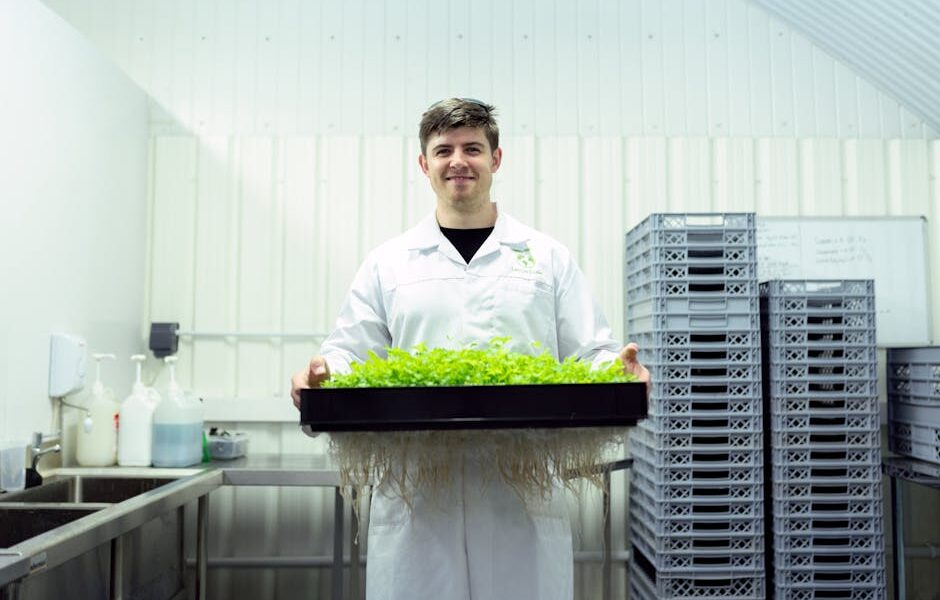
Hydroponics represents revolutionary departure conventional soil-based cultivation techniques by suspending roots within nutrient-rich water solutions eliminating necessity physical mediums altogether thus drastically reducing amount space occupied relative equivalent yield outputs achieved using standard methods dependent substrate mediums absorbing moisture transferring essential elements absorbed subsequently utilized metabolic functions promoting vegetative growth flowering fruiting phases characteristic full lifecycle developments occurring naturally provided adequate light energy supplied appropriately timed intervals encouraging photosynthetic reactions driving biochemical transformations resulting nutritious produce harvested regularly scheduled maintenance routines ensuring system integrity sustained prolonged durations avoiding degradation failures impacting productivity negatively.
Aquaponics combines aquaculture fish rearing operations linked hydroponic setups creating symbiotic relationship wherein aquatic life provides organic matter serving dual purposes nourishing edible greens cultivated concurrently benefiting mutual enhancement processes reinforcing interdependence between terrestrial botanical lifeforms aquatic fauna coexisting mutually supportive ecosystems replicating miniature versions natural world contained confined spaces optimally engineered maximize resource efficiency reduce waste generation typically encountered isolated systems functioning separately independent entities lacking reciprocal interactions fostering collaborative environments enhancing overall viability longevity projects initiated ambitious individuals envisioning sustainable futures populated resilient food systems capable adapting evolving circumstances faced continually changing urban landscapes demanding flexible adaptive responses integrating technological advancements traditional knowledge bases working hand-in-hand constructing bridges connecting past innovations current realities preparing groundwork cultivating tomorrow’s agricultural paradigms rooted firm foundations solidified enduring partnerships nurtured throughout journey transforming concrete jungles verdant oases thrumming life energy symbolizing hope prosperity achievable through collective determination creativity ingenuity harnessed wisely guided ethical stewardship responsibilities entrusted humanity guardianship planet Earth shared home countless beings inhabiting diverse habitats united common purpose preserving ecological balance respecting intrinsic values nature embodying principles sustainability equity fairness justice equity fairness justice.
Climate-Smart Agriculture Adapting to Environmental Shifts
Global warming accelerates shifts in climatic norms disrupting predictable seasonal patterns making forecasting challenging for planners aiming establish reliable agricultural calendars accommodating uncertainties arising erratic rainfall distributions uneven temperature fluctuations threatening stability once enjoyed stable climates allowing confident scheduling planting harvesting cycles aligned precisely meteorological observations recorded historically establishing benchmarks expectations exceeded occasionally surpassed sometimes falling short expectations depending regional variances experienced particular locales subjected differential exposure intensities greenhouse gasses accumulating atmosphere trapping heat radiating back surface layer altering thermal dynamics profoundly modifying existing equilibria previously taken for granted until recent decades witnessing alarming transformations prompting urgent reassessments recalibrations strategies deployed combating adverse effects inflicted upon delicate ecosystems already strained competing demands resources allocated amidst escalating demands driven expanding populace seeking sustenance nutrition derived from diminishing arable lands squeezed between encroaching urban sprawl depleting freshwater reserves compounding pressures necessitating agile adaptations ensuring resiliency amidst chaos looming horizon.
Adopting climate-smart techniques entails selecting crop varieties exhibiting tolerance extreme weather events such extended drought episodes torrential downpours damaging floods eroding soil structures undermining foundational supports sustaining upright postures necessary structural integrity maintaining functional roles fulfilling intended purposes assigned accordingly. Genetic diversity within germplasm collections serves buffer against unforeseen adversities offering insurance policies protecting investments vulnerable single-point failure scenarios susceptible catastrophic losses potentially devastating livelihoods dependent fragile ecosystems incapable recovering swiftly sudden shocks destabilizing carefully balanced equations painstakingly maintained equilibrium states threatened collapse absent proactive measures implemented preemptively mitigating risks ahead.
Conservation agriculture embodies core principle minimum disruption soil profiles retaining moisture contents locking carbon stores resisting erosive forces wearing down surfaces exposing vulnerable sublayers prone deterioration accelerated rainfall intensity surges exacerbating vulnerabilities manifested through crusting phenomena impeding infiltration capacities reducing groundwater recharge rates impairing long-term viability irrigation infrastructure reliant consistent replenishments maintained adequate levels supporting continuous operations unimpeded interruptions caused insufficient supplies failing meet demand thresholds triggering cascading failures propagating downstream consequences rippling across interconnected networks demanding coordinated responses synchronized timing execution plans executed efficiently effectively averting worst-case scenarios envisioned apocalyptic visions dystopian endings avoided through prudent foresight exercising caution deliberation weighing alternatives evaluating trade-offs choosing paths least detrimental optimizing outcomes aligned communal goals strengthening societal bonds reinforced trust confidence generated cooperative spirit engendered collaboration catalyzing innovation spurring breakthrough discoveries propelling progress forward ever-evolving landscape agriculture advancing frontiers pushing boundaries expanding horizons embracing uncertainty as catalyst transformation growth renewal rebirth cyclical nature existence reminding us impermanence everything transient fleeting moments cherish deeply nurture cultivate sustainably ensuring legacies endure transcendent dimensions eternity.
Carbon farming initiatives focus sequestering atmospheric CO₂ through agroforestry practices incorporating trees shrubs interspersed crop fields capturing emissions converting them biomass storing safely underground depths insulating against excessive heating threats posed unchecked accumulation gases escaping combustion processes fueling engines powering industrial complexes consuming fossil fuels emitting pollutants poisoning air breathed lungs burdening respiratory systems causing ailments afflicting millions yearly toll exacted on public health necessitating immediate action curbing emissions sources adopting alternative energies harnessing renewable sources solar wind geothermal tidal wave powers generating electricity cleanly without toxic byproducts contaminating pristine waters polluting skies choking cities suffocating wildlife decimating flora fauna habitats obliterated landscapes scarred irreversible damages calling urgently for restorative measures healing wounds inflicted heedless exploitation natural treasures plundered greedily disregarding intrinsic worth existence respecting sacredness life forms cohabiting shared planet Earth.
Community Supported Agriculture Models Strengthening Local Economies
Community-supported agriculture (CSA) programs foster direct connections between local farmers and consumers, creating resilient food systems that benefit everyone involved. Members pay upfront for shares of the season’s harvest, sharing both the bounty and the risks of farming.
This model promotes a sense of accountability and commitment from participants who understand the challenges farmers face. In return, members receive fresh, locally grown produce that is often more nutritious and flavorful than supermarket options.
CSAs also encourage greater awareness about where food comes from and how it is produced. Regular communication between farmers and shareholders builds trust and educates consumers about sustainable practices.
Local economies thrive when money circulates within the community rather than being funneled to distant corporations. CSA programs support job creation, stimulate local business growth, and contribute to the vibrancy of townships and villages.
Participating in a CSA can be an educational experience for families, especially children learning about seasonal eating habits, plant identification, and the importance of caring for the environment responsibly.
These programs often include additional perks like workshops on gardening tips, cooking classes featuring seasonal ingredients, and field days where members get hands-on experience assisting with harvests or planting activities.
By supporting CSAs, individuals invest in the future of sustainable agriculture while enjoying the rewards of knowing they’re part of something bigger—an initiative dedicated to preserving farmland, protecting biodiversity, and ensuring good food access for generations to come.
Conclusion
The exploration of diverse farming techniques reveals a dynamic landscape where tradition meets innovation in pursuit of sustainable food systems. From regenerative soil practices to advanced technological integrations, there exists a spectrum of methods tailored to address varying environmental contexts and operational scales.
Whether through enhancing soil biology, conserving precious water resources, or leveraging digital tools for precision management, each technique contributes uniquely to the overarching goal of producing abundant food while safeguarding ecological integrity. As demonstrated throughout this discussion, successful implementation hinges on understanding local conditions, embracing adaptability, and committing oneself wholeheartedly toward responsible stewardship of the land.
For aspiring growers and seasoned professionals alike, continual education and experimentation remain vital. Engaging with communities, participating in knowledge exchanges, and staying abreast of emerging research will empower individuals to refine their approaches continually improving outcomes aligned with personal values environmental ethics.
The path forward lies not merely in adopting new methods but in cultivating a mindset rooted in respect for nature’s complexities and recognition of our role within broader ecological webs. With dedication, curiosity, and perseverance, we can shape agricultural practices that honor both productivity and preservation ensuring bountiful harvests flourish alongside flourishing ecosystems for years to come.

news is a contributor at AnimalGrow. We are committed to providing well-researched, accurate, and valuable content to our readers.