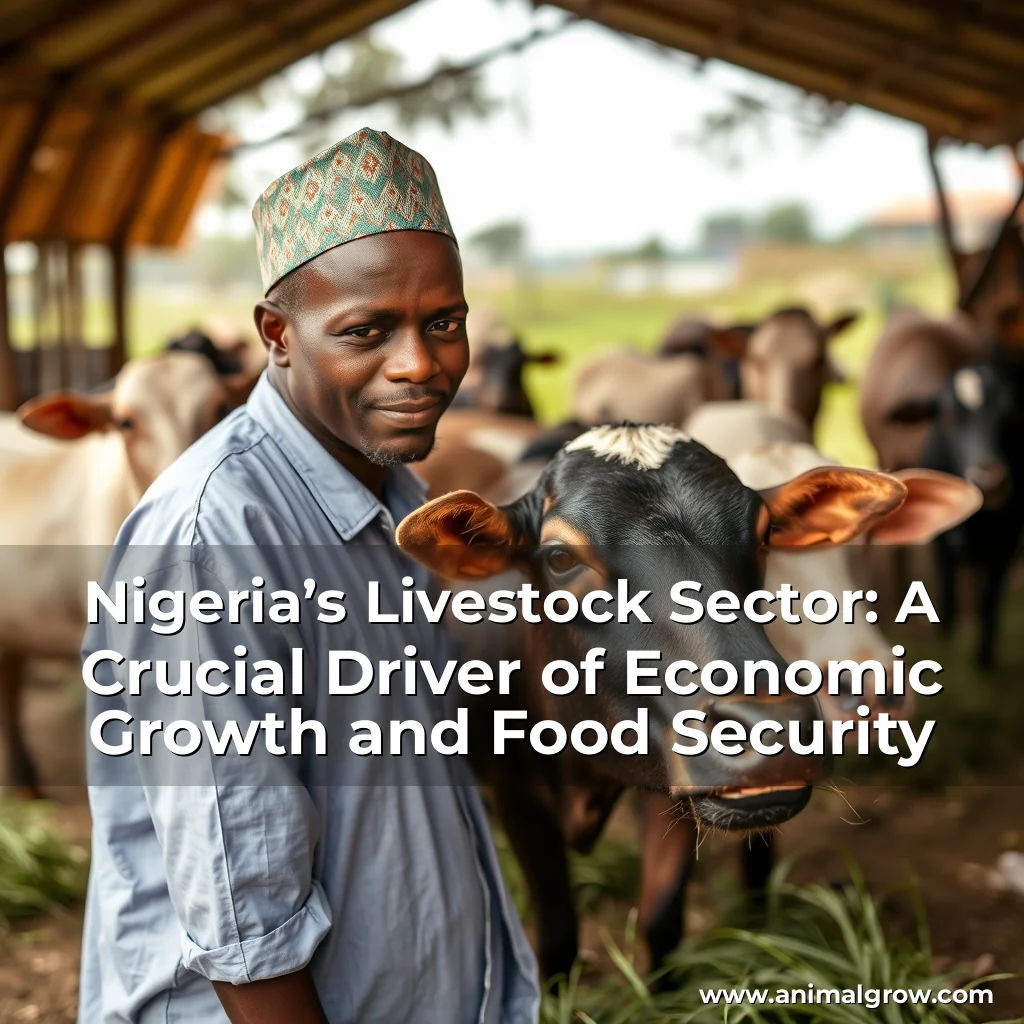
The livestock sector has been a cornerstone of Nigeria’s economy, food security, and rural livelihoods, but soaring prices of beef and other livestock products have made it unaffordable for many families. The cost of a kilogram of beef and mutton has skyrocketed over the last two years, with prices ranging from 1,500 to 7,000 in different markets across the country. Similarly, the price of a cow has increased from 200,000 to 450,000 and now falls between 450,000 and 900,000, with even higher prices in some eastern and western markets.
Challenges Facing the Livestock Sector
The Ministry of Livestock Development has identified several key factors contributing to the high cost of livestock products in Nigeria. Infrastructure and market challenges are among the major obstacles.
- Outdated trading method in live animals
- 700 checkpoints, managed by both state and non-state actors, that livestock must pass through on the way to the consumer
- Extortion fees of at least 1.2 million per trailer
To address this, the government is working with security agencies to dismantle illegal checkpoints and stop extortion. The minister emphasized the need to shift towards processed animal products, rather than relying solely on live animal trade.
Boosting Value Addition in the Livestock Sector
Alhaji Maiha stressed that processing is key to value addition in the livestock industry. By maximizing the use of every part of the animal, Nigeria can significantly boost its livestock economy.
- Maximizing the use of every part of the animal—such as bones, horns, hooves, bile, and blood for various industrial purposes
- Establishing abattoirs across the country to distribute processed meat nationwide
- Engaging local and international investors to export Nigerian meat
Tackling Middlemen and Market Access Issues
Another major challenge is poor market access, which prevents farmers from selling their products at competitive prices. Women, who play a significant role in livestock farming, often lack access to resources, education, and decision-making power.
- Middlemen currently control livestock pricing, leaving farmers with little bargaining power
- Organizing the system to reduce their influence
Unlocking the Potential of Fodder Production
A largely untapped opportunity in Nigeria is fodder production. Speaking at the African Union-InterAfrican Bureau for Animal Resources (AU-IBAR) event in Abuja, Minister of State for Agriculture and Food Security, Dr. Aliyu Sabi Abdullahi, highlighted the economic potential of the feed and fodder industry. “ The livestock sector in Nigeria is worth approximately 33 trillion, and globally, the livestock economy is valued at about $3.3 trillion. Up to 70 percent of this value comes from feed and fodder, which means Nigeria’s feed and fodder industry alone is worth around 23 trillion,” Dr. Abdullahi explained.
Making Meat More Affordable
To make meat more accessible and affordable, stakeholders emphasize the need for a comprehensive approach that addresses inefficiencies, improves productivity, and enhances consumer accessibility.
- Improving livestock productivity
- Reducing production costs
- Expanding value chains and market access
- Strengthening farmer support programs
- Addressing policy and governance issues
- Leveraging technology for improved efficiency
- Promoting alternative sources of animal protein
- Educating consumers on nutrition and food choices
- Mitigating climate and environmental challenges
- Increasing domestic meat production
The ‘Pomo’ Debate: Eating Away Job Opportunities?
One controversial issue in Nigeria’s livestock sector is the consumption of pomo (cowhide), which is widely eaten in some parts of the country. While pomo is a popular delicacy, experts argue that its consumption undermines the leather industry, which has the potential to generate significant revenue and create jobs.
Addressing Pastoralist Conflicts to Ensure Supply
The largest supply of cattle in Nigeria comes from nomadic pastoralists. However, conflicts between herders and farmers, as well as cattle rustling, have significantly disrupted livestock supply chains. To address these issues, the government is focusing on developing grazing reserves. “We have about 415 grazing reserves across the country, but due to a lack of infrastructure, they are being used for other agricultural activities. We are working with state governments to create the necessary infrastructure so that pastoralists can settle in one area. Our vision is to turn these reserves into economic hubs, each supporting between 10,000 and 30,000 cattle, with facilities for milk and beef production. This will attract processors, create jobs, and—most importantly—help bring peace,” Alhaji Maiha stated.
Conclusion
The livestock sector plays a vital role in Nigeria’s economy, food security, and rural livelihoods. However, the high cost of livestock products has made it unaffordable for many families. The government is working to address these challenges by improving infrastructure, expanding market access, and enhancing value addition in the livestock industry. By leveraging technology, promoting alternative sources of animal protein, and creating economic hubs, Nigeria can unlock the full potential of its livestock sector and make meat more accessible and affordable for all.

news is a contributor at AnimalGrow. We are committed to providing well-researched, accurate, and valuable content to our readers.