


The Essential Role of Veterinary Care in Ensuring Animal Wellbeing
Veterinary care is the cornerstone of maintaining optimal health for pets and livestock alike. From routine check-ups to emergency treatments, professional veterinary services ensure animals receive timely interventions that prevent illnesses and promote longevity.
In today’s modern world, access to quality veterinary care has become increasingly vital as people raise more companion animals than ever before. This guide explores the multifaceted aspects of veterinary medicine and its impact on different types of animals.
Fundamental Components of Veterinary Services
A well-rounded veterinary practice encompasses various essential services aimed at preserving animal health. These include preventive care, diagnostic testing, treatment of diseases, surgical procedures, and post-operative recovery management.
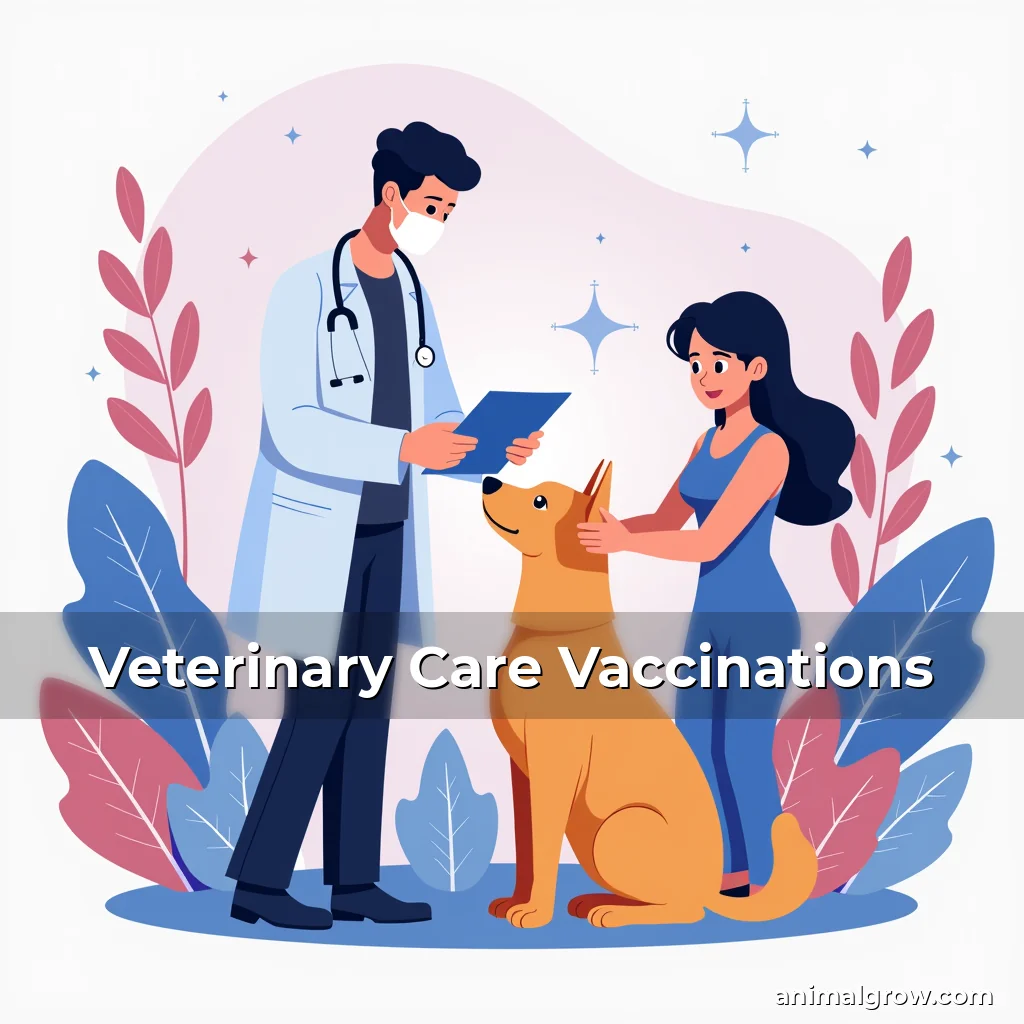
Preventive measures form the foundation of good veterinary care. Regular vaccinations protect against infectious diseases while deworming regimens eliminate internal parasites that can harm an animal’s overall wellbeing.
- Annual physical examinations: Help detect early signs of illness through thorough body checks and medical history reviews.
- Dental cleanings: Prevent periodontal disease which affects nearly two-thirds of dogs over three years old according to AVMA studies.
- Parasite prevention: Involves flea/tick control products and heartworm medications tailored to each pet’s lifestyle needs.
Pet Healthcare vs Livestock Management
While both domesticated animals require regular veterinary attention, there are distinct differences between caring for companion pets versus commercial livestock operations.
Pets typically undergo individualized wellness plans focusing on their unique behaviors and living conditions. Conversely, livestock farms rely heavily on herd health programs designed to maintain productivity across entire populations.
Emerging Trends in Livestock Medicine
Livestock veterinarians now utilize advanced technologies such as genomic testing to identify genetic traits affecting meat quality and disease resistance. According to recent industry reports, these innovations have improved breeding efficiency by up to 30% in select cattle herds.
Sustainable farming practices also influence veterinary approaches in agriculture. Veterinarians collaborate with farmers to implement eco-friendly parasite control methods reducing chemical usage without compromising animal welfare standards.
Critical Aspects of Emergency Veterinary Care
Animal emergencies demand immediate professional intervention to maximize survival chances. Common urgent situations range from poisoning incidents to traumatic injuries requiring prompt treatment.
Veterinarians must be trained in triage protocols that prioritize cases based on severity levels. For instance, patients showing respiratory distress would receive higher priority compared to those exhibiting mild gastrointestinal upset.
- Toxicology expertise: Crucial for diagnosing and treating poisonings which account for approximately 60% of emergency vet visits.
- Emergency surgery skills: Required for trauma cases involving lacerations, fractures, or foreign object removals within critical time windows.
- Advanced imaging techniques: Such as CT scans and ultrasounds aid accurate diagnosis when conventional exams prove inconclusive.
Mental Health Considerations in Veterinary Practice
Recognizing mental health issues in animals has gained significant attention among veterinary professionals. Behavioral problems often manifest physically, making them challenging to diagnose without specialized knowledge.
Dogs suffering from separation anxiety may develop excessive chewing habits or destructive behavior patterns. Cats experiencing stress might show changes in eating routines or litter box avoidance tendencies.
- Environmental enrichment: Includes providing stimulating toys and interactive feeders to reduce boredom-induced behavioral issues.
- Pharmacological options: Selective serotonin reuptake inhibitors (SSRIs) prescribed under strict supervision help manage severe anxiety disorders in some pets.
- Behavior modification training: Positive reinforcement techniques teach new coping mechanisms rather than relying solely on medication solutions.
Advancements in Veterinary Diagnostic Tools
Modern veterinary clinics employ cutting-edge equipment enabling faster and more precise diagnoses. Digital radiography systems allow instant image analysis during consultations instead of waiting for film development.
Point-of-care blood analyzers provide rapid results for common parameters like white blood cell counts and glucose levels. These devices enable quicker decision-making regarding appropriate treatment courses.
- Genetic screening panels: Identify predispositions to inherited conditions before symptoms appear, allowing proactive healthcare strategies.
- Laser therapy units: Used for pain management and tissue repair in chronic musculoskeletal conditions affecting mobility.
- Endoscopic cameras: Enable minimally invasive exploratory procedures with reduced recovery times compared to traditional surgeries.
Ethical Dimensions in Veterinary Medicine
Veterinary professionals face complex ethical dilemmas daily that require careful consideration of animal welfare versus owner preferences. Euthanasia decisions represent particularly sensitive scenarios where personal beliefs intersect with medical realities.
Transparency in communication remains crucial when discussing end-of-life choices with clients. Establishing clear expectations helps avoid misunderstandings that could compromise patient outcomes or client satisfaction.
- Confidentiality guidelines: Protect private information shared during consultations while adhering to legal requirements regarding reportable diseases.
- Conflict resolution frameworks: Provide structured approaches for handling disagreements between owners and veterinary staff regarding treatment plans.
- Continuing education mandates: Ensure practitioners stay updated on evolving standards of care through mandatory certification renewals every few years.
The Future Landscape of Veterinary Care
Ongoing technological developments promise transformative changes in how veterinary services are delivered. Telemedicine platforms already connect rural communities with specialist consultation opportunities previously unavailable locally.
Artificial intelligence applications are being explored for predictive analytics capable of identifying potential health risks based on historical data patterns. While still emerging, these tools show great potential for improving preventative care strategies.
- Remote monitoring devices: Track vital signs continuously, alerting caregivers to abnormal readings needing immediate attention.
- Data-driven decision support systems: Assist clinicians in selecting most effective treatment combinations based on extensive research databases.
- Bioprinting advancements: May eventually enable customized organ replacements for critically ill patients currently facing limited transplant options.
Conclusion
This exploration highlights the diverse dimensions shaping contemporary veterinary care practices. From basic preventive services to groundbreaking scientific innovations, dedicated professionals work tirelessly to enhance animal lives.
Understanding the full scope of available veterinary resources empowers pet owners and agricultural producers to make informed decisions about their animal companions’ long-term health and happiness.
“`html
The Essential Role of Veterinary Care in Ensuring Animal Wellbeing
Veterinary care is the cornerstone of maintaining optimal health for pets and livestock alike. From routine check-ups to emergency treatments, professional veterinary services ensure animals receive timely interventions that prevent illnesses and promote longevity.
In today’s modern world, access to quality veterinary care has become increasingly vital as people raise more companion animals than ever before. This guide explores the multifaceted aspects of veterinary medicine and its impact on different types of animals.
Fundamental Components of Veterinary Services
A well-rounded veterinary practice encompasses various essential services aimed at preserving animal health. These include preventive care, diagnostic testing, treatment of diseases, surgical procedures, and post-operative recovery management.
Preventive measures form the foundation of good veterinary care. Regular vaccinations protect against infectious diseases while deworming regimens eliminate internal parasites that can harm an animal’s overall wellbeing.
- Annual physical examinations: Help detect early signs of illness through thorough body checks and medical history reviews.
- Dental cleanings: Prevent periodontal disease which affects nearly two-thirds of dogs over three years old according to AVMA studies.
- Parasite prevention: Involves flea/tick control products and heartworm medications tailored to each pet’s lifestyle needs.
Pet Healthcare vs Livestock Management
While both domesticated animals require regular veterinary attention, there are distinct differences between caring for companion pets versus commercial livestock operations.
Pets typically undergo individualized wellness plans focusing on their unique behaviors and living conditions. Conversely, livestock farms rely heavily on herd health programs designed to maintain productivity across entire populations.
Emerging Trends in Livestock Medicine
Livestock veterinarians now utilize advanced technologies such as genomic testing to identify genetic traits affecting meat quality and disease resistance. According to recent industry reports, these innovations have improved breeding efficiency by up to 30% in select cattle herds.
Sustainable farming practices also influence veterinary approaches in agriculture. Veterinarians collaborate with farmers to implement eco-friendly parasite control methods reducing chemical usage without compromising animal welfare standards.
Critical Aspects of Emergency Veterinary Care
Animal emergencies demand immediate professional intervention to maximize survival chances. Common urgent situations range from poisoning incidents to traumatic injuries requiring prompt treatment.
Veterinarians must be trained in triage protocols that prioritize cases based on severity levels. For instance, patients showing respiratory distress would receive higher priority compared to those exhibiting mild gastrointestinal upset.
- Toxicology expertise: Crucial for diagnosing and treating poisonings which account for approximately 60% of emergency vet visits.
- Emergency surgery skills: Required for trauma cases involving lacerations, fractures, or foreign object removals within critical time windows.
- Advanced imaging techniques: Such as CT scans and ultrasounds aid accurate diagnosis when conventional exams prove inconclusive.
Mental Health Considerations in Veterinary Practice
Recognizing mental health issues in animals has gained significant attention among veterinary professionals. Behavioral problems often manifest physically, making them challenging to diagnose without specialized knowledge.
Dogs suffering from separation anxiety may develop excessive chewing habits or destructive behavior patterns. Cats experiencing stress might show changes in eating routines or litter box avoidance tendencies.
- Environmental enrichment: Includes providing stimulating toys and interactive feeders to reduce boredom-induced behavioral issues.
- Pharmacological options: Selective serotonin reuptake inhibitors (SSRIs) prescribed under strict supervision help manage severe anxiety disorders in some pets.
- Behavior modification training: Positive reinforcement techniques teach new coping mechanisms rather than relying solely on medication solutions.
Advancements in Veterinary Diagnostic Tools
Modern veterinary clinics employ cutting-edge equipment enabling faster and more precise diagnoses. Digital radiography systems allow instant image analysis during consultations instead of waiting for film development.
Point-of-care blood analyzers provide rapid results for common parameters like white blood cell counts and glucose levels. These devices enable quicker decision-making regarding appropriate treatment courses.
- Genetic screening panels: Identify predispositions to inherited conditions before symptoms appear, allowing proactive healthcare strategies.
- Laser therapy units: Used for pain management and tissue repair in chronic musculoskeletal conditions affecting mobility.
- Endoscopic cameras: Enable minimally invasive exploratory procedures with reduced recovery times compared to traditional surgeries.
Ethical Dimensions in Veterinary Medicine
Veterinary professionals face complex ethical dilemmas daily that require careful consideration of animal welfare versus owner preferences. Euthanasia decisions represent particularly sensitive scenarios where personal beliefs intersect with medical realities.
Transparency in communication remains crucial when discussing end-of-life choices with clients. Establishing clear expectations helps avoid misunderstandings that could compromise patient outcomes or client satisfaction.
- Confidentiality guidelines: Protect private information shared during consultations while adhering to legal requirements regarding reportable diseases.
- Conflict resolution frameworks: Provide structured approaches for handling disagreements between owners and veterinary staff regarding treatment plans.
- Continuing education mandates: Ensure practitioners stay updated on evolving standards of care through mandatory certification renewals every few years.
The Future Landscape of Veterinary Care
Ongoing technological developments promise transformative changes in how veterinary services are delivered. Telemedicine platforms already connect rural communities with specialist consultation opportunities previously unavailable locally.
Artificial intelligence applications are being explored for predictive analytics capable of identifying potential health risks based on historical data patterns. While still emerging, these tools show great potential for improving preventative care strategies.
- Remote monitoring devices: Track vital signs continuously, alerting caregivers to abnormal readings needing immediate attention.
- Data-driven decision support systems: Assist clinicians in selecting most effective treatment combinations based on extensive research databases.
- Bioprinting advancements: May eventually enable customized organ replacements for critically ill patients currently facing limited transplant options.
Conclusion
This exploration highlights the diverse dimensions shaping contemporary veterinary care practices. From basic preventive services to groundbreaking scientific innovations, dedicated professionals work tirelessly to enhance animal lives.
Understanding the full scope of available veterinary resources empowers pet owners and agricultural producers to make informed decisions about their animal companions’ long-term health and happiness.
“`


news is a contributor at AnimalGrow. We are committed to providing well-researched, accurate, and valuable content to our readers.
You May Also Like


A Texas Pet Store Ban: A Complex Issue
The Texas Senate Business and Commerce Committee heard testimony Thursday morning on a bill that would prohibit pet stores in...

The Anti-Animal Testing Protest at Westminster: A Call for Immediate Ban
The Petition: A Collective Effort to End Animal Testing A petition calling for an immediate ban on the use of...

Rescue Effort Underway After Discovery of 152 Dogs in Ogden Home
Residents of Ogden, Utah, are aghast as the news spreads about the discovery of 152 dogs at a home in...
Disease Prevention In Animals: Professional Insights and Tips
The Science and Strategy Behind Disease Prevention in Animals: A Holistic Approach for Modern Animal Care Disease prevention in animals...