


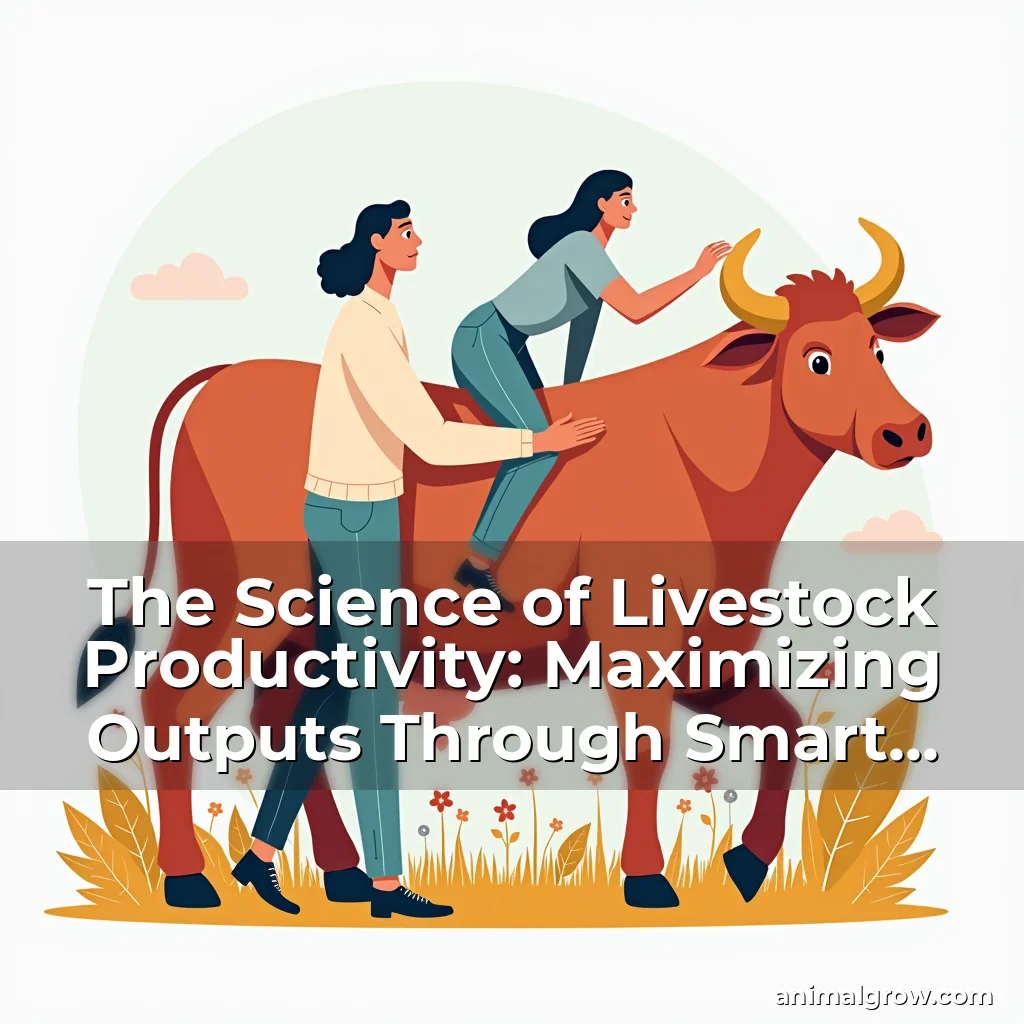
The Science of Livestock Productivity: Maximizing Outputs Through Smart Management Practices
Livestock productivity is the cornerstone of modern agricultural systems, determining both economic returns and food security for millions around the globe. As global demand for meat, dairy, eggs, and other animal products continues to rise, optimizing production efficiency has never been more critical.
This guide delves into the science behind maximizing livestock output through strategic management practices that balance nutrition, health, genetics, environment, and technology. By understanding these interconnected factors, producers can achieve sustainable growth while maintaining high standards of animal welfare.
The Genetics of High-Yield Livestock Production
Selective breeding programs have revolutionized livestock productivity over the past century by systematically improving desirable traits such as faster weight gain, higher milk yields, disease resistance, and reproductive efficiency. Genetic advancements account for approximately 60% of gains in beef cattle productivity alone.
Crossbreeding strategies further enhance productivity by leveraging hybrid vigor, which results in offspring exhibiting improved performance characteristics compared to their purebred parents. For example, crossbred swine often show better feed conversion rates than their purebred counterparts.
- Breed selection: Choosing breeds adapted to local climates and available resources maximizes genetic potential without compromising sustainability.
- Genomic testing: Advanced DNA analysis enables precise selection of animals with superior productive attributes before they even reach maturity.
Pedigree records and performance data tracking are essential components of any successful breeding program. These tools help identify top-performing individuals whose offspring will inherit beneficial traits across generations.
Artificial insemination techniques have significantly reduced costs associated with traditional mating methods while expanding access to elite genetics worldwide. This practice allows farmers to selectively breed animals regardless of geographical limitations.
Nutritional Strategies for Optimal Animal Performance
A well-balanced diet is fundamental to achieving peak livestock productivity. Nutrient requirements vary depending on species, age, stage of production, and environmental conditions. Meeting these needs ensures efficient energy utilization and reduces waste.
Feed formulation must consider both macronutrients (proteins, carbohydrates, fats) and micronutrients (vitamins, minerals). Deficiencies in key nutrients can lead to decreased growth rates, poor fertility, and increased susceptibility to diseases.
Feeding Management Best Practices
Implementing consistent feeding schedules helps maintain stable rumen function in ruminants like cattle and sheep. Irregular meal times disrupt digestive processes, reducing overall nutrient absorption capabilities.
Water availability plays an equally crucial role in animal productivity. Dehydration can reduce feed intake by up to 30%, severely impacting daily weight gains in growing animals.
Automated feeding systems offer precision control over ration delivery, ensuring each animal receives optimal amounts based on individual needs rather than group averages. These systems also collect valuable data for continuous improvement efforts.
Supplemental feed additives like probiotics and enzymes can enhance digestion and nutrient utilization when incorporated strategically into regular diets. However, professional guidance is necessary to avoid imbalances or overdosing risks.
Health Maintenance as a Pillar of Productivity
Disease prevention measures form the foundation of healthy livestock operations. Regular veterinary check-ups combined with vaccination protocols protect against common illnesses that could otherwise devastate herds and flocks.
Veterinary services should include parasite control programs tailored to local epidemiological patterns. Internal parasites alone cost the U.S. beef industry an estimated $1 billion annually due to reduced growth rates and mortality losses.
Early detection systems using digital monitoring technologies enable prompt intervention during outbreaks. These tools track vital signs, movement patterns, and behavioral changes indicative of emerging health issues.
Proper biosecurity procedures at farm entrances minimize pathogen introduction from external sources. Disinfection stations, controlled visitor access policies, and quarantine protocols collectively create barriers against infectious diseases.
Environmental Enrichment and Housing Design
Optimally designed housing environments contribute significantly to livestock comfort levels, directly influencing productivity metrics. Factors like temperature regulation, ventilation quality, and space allocation determine how effectively animals can thrive.
In confined settings, overcrowding leads to stress responses that suppress immune functions and impair reproduction outcomes. Providing adequate resting areas reduces competition among animals for limited space.
Climate-controlled facilities equipped with automated cooling systems maintain ideal body temperatures year-round, especially important for heat-sensitive species like poultry and pigs.
Eco-friendly building materials promote natural insulation properties while minimizing maintenance requirements. Structures incorporating passive solar design principles optimize internal climate stability naturally.
Technology Integration in Modern Farming Operations
Advances in digital agriculture have transformed traditional farming approaches by enabling real-time decision-making supported by accurate data analytics. IoT devices now monitor every aspect of animal husbandry with unprecedented precision.
Smart sensors embedded within barns detect air quality fluctuations instantly, triggering automatic adjustments to ventilation systems before conditions become hazardous. These proactive solutions prevent respiratory problems linked to poor indoor environments.
Data collection platforms aggregate information from various sources including RFID tags, wearable trackers, and feed consumption logs. Machine learning algorithms analyze trends to predict future performance indicators accurately.
Remote monitoring capabilities allow offsite experts to provide timely recommendations without needing physical presence at the facility. This feature proves invaluable during staffing shortages or emergencies requiring immediate action.
Sustainable Practices That Boost Long-Term Yields
Adopting environmentally responsible methodologies enhances long-term viability while supporting current productivity goals. Rotational grazing systems exemplify this principle by restoring pastureland fertility through planned rest periods between grazing events.
Methane capture technologies represent another promising avenue toward greener production models. Capturing greenhouse gas emissions from manure storage tanks provides renewable fuel options simultaneously addressing pollution concerns.
Integrated crop-livestock systems maximize resource efficiency by utilizing organic waste from animals as fertilizer inputs for crops grown nearby. This circular economy model minimizes input costs while promoting soil health benefits.
Energy-efficient lighting solutions inside confinement buildings lower electricity bills substantially while still meeting photoperiod requirements essential for egg laying cycles in poultry operations.
Measuring Success: Key Performance Indicators
Establishing clear benchmarks allows producers to evaluate progress objectively over time. Metrics such as average daily weight gain, feed conversion ratios, and conception rates serve as primary indicators of operational effectiveness.
Data visualization tools transform raw numbers into meaningful patterns revealing opportunities for optimization. Graphical representations highlight seasonal variations affecting productivity levels consistently across different enterprises.
Regular benchmarking against regional industry standards identifies competitive advantages or areas needing improvement. Comparisons with similar-sized farms reveal best practices worth adopting locally.
Continuous refinement of KPI frameworks ensures relevance amidst evolving market demands and technological innovations shaping the future landscape of agribusiness sectors globally.
Conclusion
The pursuit of enhanced livestock productivity involves multifaceted approaches integrating scientific knowledge with practical application skills. From genetic improvements to digital innovations, each element contributes uniquely towards achieving greater outputs sustainably.
By implementing smart management strategies outlined here today, tomorrow’s agricultural leaders will be poised to meet rising global food challenges head-on with confidence grounded in evidence-based practices proven effective worldwide.


news is a contributor at AnimalGrow. We are committed to providing well-researched, accurate, and valuable content to our readers.
You May Also Like


Arizona Senate passes bill that will crackdown on domestic animal cruelty
The bill also includes provisions for increased funding for animal welfare organizations and law enforcement agencies to better address animal...

Purification Ritual as a Response to Bear Killing
A purification ritual was held yesterday as a response to the killing of a Formosan black bear by the Forestry...
The Intricate Dance of Survival: Unraveling Animal Behavior Through Science and Observation
The Intricate Dance of Survival: Unraveling Animal Behavior Through Science and Observation In the vast tapestry of life, animal behavior...

Animal Behavior Sleep Patterns
Decoding Nature’s Symphony: A Deep Dive into Animal Behavior In every corner of Earth, from dense rainforests to arid deserts,...