



The Science and Strategy Behind Modern Livestock Management Practices
Livestock management is the backbone of sustainable agriculture, blending scientific principles with practical strategies to optimize productivity while ensuring animal welfare. As global demand for meat, dairy, and eggs continues to rise, modern farmers must adopt innovative techniques that balance efficiency with ethical considerations.
This guide explores cutting-edge methods in feed optimization, health monitoring, breeding programs, data analytics, and environmental stewardship—key components shaping the future of responsible livestock farming.
The Evolution of Livestock Farming Systems
From traditional pasture-based systems to high-tech confined feeding operations, livestock farming has undergone dramatic transformations over centuries. These changes reflect advances in technology, shifting market demands, and evolving consumer expectations regarding food production transparency.
Modern integrated systems now combine automated milking machines with precision grazing schedules, allowing producers to maximize output while maintaining herd health. The transition from small-scale family farms to commercial agribusinesses has also necessitated new approaches to resource allocation and risk mitigation.
- Pasture-based systems: Emphasize natural movement patterns and rotational grazing but require larger land areas and can be vulnerable to weather fluctuations.
- Confinement systems: Offer greater control over environmental factors but raise concerns about animal stress and antibiotic usage when not properly managed.
Nutritional Strategies for Optimal Animal Performance
Fed by advanced feed formulation technologies, today’s livestock diets are meticulously designed to meet precise nutritional requirements at each growth stage. This approach ensures efficient conversion of feed into milk, meat, or egg production while minimizing waste and maximizing profitability.
Veterinarians and nutritionists work together to create balanced rations using computerized ration balancers and laboratory analysis of forage samples. For example, dairy cows may receive tailored diets containing up to 65% concentrate feeds during peak lactation periods.
Feed Efficiency Metrics and Measurement Techniques
Average daily gain (ADG) remains one of the most critical metrics for assessing feed efficiency across species. In beef cattle operations, an ADG of 1.8 pounds per day indicates optimal performance under typical conditions.
Advances in near-infrared spectroscopy allow rapid analysis of crude protein, fiber, and starch levels in forages without destructive sampling. Producers can then adjust supplementation strategies accordingly within hours rather than days.
Health Monitoring Technologies Revolutionizing Herd Care
Sensor-equipped collars and ear tags now provide real-time data on vital signs such as temperature, heart rate, and activity levels. Early detection of illness through these wearable devices enables prompt treatment before symptoms become severe.
Drones equipped with thermal imaging cameras are being used to monitor large pastures efficiently, identifying sick animals by abnormal body heat signatures. When combined with AI-powered image recognition software, these tools significantly reduce disease transmission risks.
- Biometric sensors: Continuously track hydration status and rumen pH levels in ruminants, alerting managers to potential digestive issues before they escalate.
- Automated veterinary stations: Located strategically around barns allow remote administration of vaccines and medication, reducing human-animal contact time.
Data Analytics Transforming Decision-Making Processes
Cutting-edge farm management software integrates GPS tracking, RFID tagging, and IoT devices to generate comprehensive datasets about every aspect of livestock operations. This digital transformation allows for predictive modeling of everything from reproduction cycles to market price fluctuations.
Machine learning algorithms analyze historical data to predict which animals will reach slaughter weight fastest or have highest conception rates. Farmers can then allocate resources more effectively based on empirical evidence rather than guesswork.
Case Study: Smart Dairy Farm Implementation
A Canadian dairy cooperative recently implemented a cloud-based platform connecting over 2,000 cows with centralized monitoring systems. By analyzing over 50 parameters per cow daily, they reduced calf mortality rates by 22% within six months.
The system automatically adjusts milking intervals based on individual udder fullness readings, increasing average milk yield by 15% without additional feed inputs. Such improvements demonstrate the tangible benefits of data-driven decision-making.
Genetic Advancements Shaping Future Breeding Programs
Molecular genetics has revolutionized selective breeding practices through genomic testing and artificial insemination technologies. These innovations enable breeders to identify superior genetic traits with unprecedented accuracy and speed.
By sequencing genomes of top-performing herds, scientists can pinpoint desirable characteristics related to disease resistance, reproductive efficiency, and carcass quality. Artificial insemination services now offer thousands of genetically tested bull semen straws worldwide.
- Genomic selection: Allows identification of elite breeding stock at weaning age rather than waiting until maturity, accelerating improvement cycles.
- Embryo transfer: Enables superovulation protocols where a single high-quality female can produce embryos for multiple recipients simultaneously.
Sustainable Practices Balancing Productivity with Environmental Stewardship
Eco-conscious ranchers are adopting regenerative agricultural practices that enhance soil fertility while reducing greenhouse gas emissions. Rotational grazing patterns mimic natural herbivore behavior, promoting vegetation recovery between grazing events.
Manure management systems now incorporate anaerobic digesters that convert organic waste into biogas energy. This circular economy model reduces reliance on fossil fuels while providing renewable power sources for processing facilities.
Carbon Footprint Reduction Initiatives
Innovative methane inhibitors added to cattle feed have shown promising results in lowering enteric fermentation emissions by up to 30%. These compounds work by altering microbial populations in the rumen.
Cover cropping strategies increase carbon sequestration capacity while preventing nutrient runoff into waterways. Legume inclusion in pasture mixes naturally fixes nitrogen, reducing synthetic fertilizer needs by up to 40%.
Economic Considerations in Livestock Enterprise Planning
Profitability depends on careful cost-benefit analyses considering both direct expenses and opportunity costs associated with different management choices. Feed costs typically account for 60-70% of total operational expenditures in intensive production systems.
Vertical integration models help stabilize income streams by controlling multiple supply chain segments—from breeding stock procurement to final product distribution channels. Diversification into value-added products like grass-fed beef or organic dairy further enhances financial resilience.
- Risk management strategies: Include crop insurance policies, forward contracts, and diversifying revenue streams beyond primary commodities.
- Cash flow projections: Should consider seasonal variations in input prices and fluctuating consumer demand trends.
Community Building Through Cooperative Livestock Enterprises
Cooperatives empower small-scale farmers by pooling resources for shared infrastructure investments while maintaining independent ownership structures. Shared cooling facilities, transportation networks, and processing equipment significantly lower individual capital requirements.
Knowledge sharing platforms facilitated through cooperatives accelerate adoption of best practices across member bases. Regular workshops covering topics from biosecurity protocols to digital recordkeeping ensure continuous skill development among participants.
Benefits of Collaborative Models
Collective bargaining power enables smaller operators to negotiate better terms with suppliers and buyers alike. Joint marketing initiatives capitalize on regional branding opportunities that would be unattainable individually.
Disaster preparedness plans developed collectively mitigate economic shocks from pandemics, extreme weather events, or regulatory changes affecting entire sectors simultaneously.
Conclusion
Livestock management encompasses a complex interplay between biological sciences, technological innovation, and sound business strategy. Successful enterprises integrate these elements seamlessly to achieve long-term sustainability goals alongside competitive market advantages.
To thrive in this dynamic industry, professionals must remain committed to lifelong learning, embracing emerging research findings and adapting management practices accordingly while prioritizing animal well-being at all times.


news is a contributor at AnimalGrow. We are committed to providing well-researched, accurate, and valuable content to our readers.
You May Also Like

Yeast Market is Expected to Progress to Reach US 13 28 Bn by 2031 Transparency Market Research
Its versatility and ability to thrive in various environments make it an attractive option for industries seeking sustainable and efficient...

Pets as Companions: Breaking Down Barriers to Access
Improving Physical and Mental Health Pets can have a significant impact on both our physical and mental well-being. Studies have...

The PAP Candidate's Hamster Adventure: A Tale of Childhood Entrepreneurship and Animal Welfare Concerns
In the world of politics, it's not uncommon for candidates to share personal anecdotes about their past experiences and entrepreneurial...
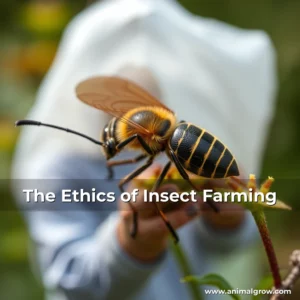
The Ethics of Insect Farming
The Ethics of Insect Farming ^ | 4/4/2024 | Bob Fischer Why Insects are Farmed Insects are farmed for various...