


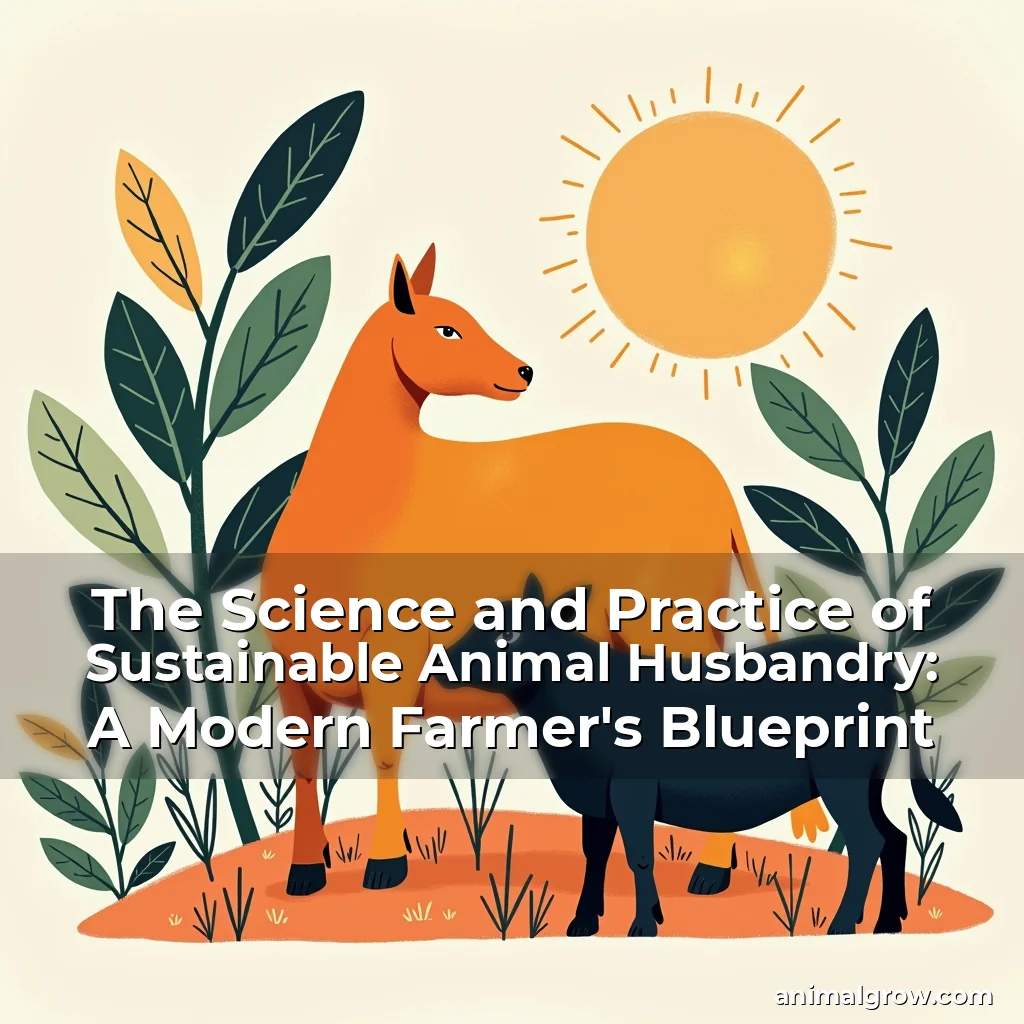
The Science and Practice of Sustainable Animal Husbandry: A Modern Farmer’s Blueprint
In an era where food security and environmental stewardship intersect, animal husbandry has evolved from traditional practices to a sophisticated science that balances productivity with sustainability. This guide explores how modern farmers can optimize livestock management while preserving natural resources.
Rising global demand for animal products necessitates innovative approaches to raising livestock efficiently. By integrating technology, ecological principles, and ethical considerations, contemporary animal husbandry is reshaping agriculture worldwide.
Fundamental Principles of Ethical Livestock Management
Modern animal husbandry begins with understanding the core ethics that underpin responsible farming. These principles ensure both economic viability and humane treatment of animals across various species.
A key principle is providing appropriate living conditions that meet each species’ biological needs. From space requirements to social structures, these factors significantly influence animal welfare and productivity.
- Nutritional Balance: Ensuring feed contains optimal levels of protein, carbohydrates, vitamins, and minerals tailored to each life stage
- Housing Standards: Designing facilities that protect against extreme weather while allowing natural behaviors such as nesting and grazing
- Veterinary Care: Implementing preventative healthcare protocols including vaccinations, parasite control, and regular health checkups
- Stress Reduction: Minimizing handling stress through gentle restraint methods and consistent routines
These foundational elements create environments where livestock can thrive physically and mentally. When properly implemented, they lead to improved meat quality, higher milk yields, and reduced disease incidence.
The concept of “Five Freedoms” guides many progressive farms today. These freedoms include freedom from hunger, discomfort, pain, fear, and the ability to express normal behavior patterns.
Advanced Breeding Strategies for Productivity Optimization
Selective breeding remains a cornerstone of modern animal husbandry. However, recent advancements have transformed this practice into a data-driven scientific endeavor.
Genomic selection techniques now allow breeders to identify desirable traits at the DNA level rather than waiting for phenotypic expression. This accelerates genetic progress while minimizing unwanted characteristics.
Data analytics plays a crucial role in evaluating breeding stock performance. Farms utilizing digital record keeping systems report up to 30% improvements in reproductive efficiency compared to conventional methods.
Breeding programs must balance production goals with conservation efforts. While enhancing traits like growth rate and milk yield, maintaining genetic diversity prevents inbreeding depression and ensures long-term resilience.
Artificial insemination technologies offer significant advantages by enabling superior genetics to be widely disseminated without requiring expensive stud bull purchases.
Sustainable Feeding Practices for Efficient Resource Utilization
Feed accounts for approximately 60-80% of variable costs in most livestock operations. Developing efficient feeding strategies is therefore critical to profitability and environmental impact reduction.
Integrated crop-livestock systems demonstrate particular promise. These circular models use farm-generated biomass as livestock feed while converting manure back into soil nutrients for crop production.
Crop rotation and cover cropping help maintain soil fertility naturally. Rotating legumes with grasses, for example, fixes nitrogen in the soil and reduces reliance on synthetic fertilizers.
Feed formulation requires careful consideration of energy-to-protein ratios. Overfeeding protein increases ammonia emissions and urinary excretion, which negatively affects air and water quality.
Supplemental feeds should complement, not replace, grazed forage. Properly balanced rations prevent nutrient deficiencies while optimizing digestive efficiency in ruminants.
Precision feeding technologies using sensors and automated systems are gaining traction. These tools adjust feed delivery based on real-time monitoring of individual animal needs.
Dry matter intake measurements provide valuable insights into rumen function. Maintaining optimal dry matter percentages improves digestion rates and reduces methane production.
Alternative feed sources like insect-based proteins and algae meal show potential in reducing dependency on soy and corn imports.
Health Management Systems for Disease Prevention
Effective biosecurity measures form the first line of defense against infectious diseases. Comprehensive protocols must address every aspect of livestock movement and facility access.
Vaccination schedules should align with local epidemiological trends. Regular consultations with veterinary experts ensure timely administration of essential immunizations.
Parasite control programs require integrated pest management approaches. Combining chemical treatments with pasture rotation minimizes resistance development and environmental contamination.
Early detection systems using biometric sensors enable prompt intervention when abnormalities occur. Continuous monitoring of vital signs helps identify sick animals before symptoms become severe.
Animal identification systems facilitate traceability during outbreaks. RFID tags and electronic databases streamline quarantine procedures and contact tracing efforts.
Zoonotic disease prevention demands strict hygiene protocols between human and animal interfaces. Handwashing stations and protective gear reduce cross-contamination risks significantly.
Recordkeeping software allows for tracking medication usage patterns. Monitoring withdrawal periods ensures safe product residues don’t appear in meat or dairy outputs.
Antibiotic stewardship programs are becoming standard practice. Responsible use guidelines aim to preserve antibiotic efficacy while combating antimicrobial resistance threats.
Environmental Stewardship in Modern Farming Operations
Livestock production contributes significantly to greenhouse gas emissions, but sustainable practices can transform these challenges into opportunities for positive change.
Methane capture systems at confined animal feeding operations represent cutting-edge solutions. These installations convert waste gases into renewable energy sources through anaerobic digestion processes.
Manure management strategies vary depending on operation size and type. For small-scale producers, composting offers cost-effective ways to recycle organic materials safely.
Water conservation techniques are equally important. Drip irrigation systems used for fodder crops combined with rainwater harvesting reduce overall consumption by over 40% in some cases.
Soil conservation practices like contour plowing and terracing prevent erosion on sloped lands. Planting buffer strips along field edges filters runoff and protects waterways.
Renewable energy integration benefits both the environment and operational budgets. Solar panels powering milking parlors or wind turbines generating electricity for processing units demonstrate practical applications.
Eco-friendly packaging alternatives minimize plastic use while maintaining product freshness. Biodegradable containers made from plant-based materials gain popularity among environmentally conscious consumers.
Carbon sequestration initiatives through agroforestry projects help offset emissions. Integrating trees into pastures provides shade for livestock while capturing atmospheric carbon dioxide.
Tech Innovations Transforming Contemporary Husbandry
The Fourth Industrial Revolution brings unprecedented changes to livestock management through smart technologies and data analytics platforms.
Internet of Things (IoT) devices monitor animal health parameters continuously. Wearables track body temperature, activity levels, and even estrus cycles in real time.
Machine learning algorithms analyze vast datasets to predict disease outbreaks and optimize breeding timelines. Early warning systems detect anomalies faster than traditional observation methods.
Robotic milking machines increase efficiency while improving cow comfort. Automated teat cleaning systems reduce mastitis risk by ensuring thorough sanitation before and after milking.
Autonomous drones survey pasturelands for vegetation coverage and wildlife encroachments. Thermal imaging capabilities assist in locating lost or injured animals quickly.
Blockchain technology enhances supply chain transparency. Consumers can scan QR codes to verify origins, transportation history, and care standards for specific animal products.
Smart fencing systems using AI-powered cameras deter predators effectively without causing harm. Integration with mobile alerts keeps caretakers informed of unusual activities around the property.
Virtual reality training modules prepare new handlers through immersive simulations. These experiences teach proper restraint techniques and emergency response procedures safely.
Economic Viability Through Strategic Planning
Successful animal husbandry enterprises require meticulous financial planning alongside technical expertise. Sound business acumen determines long-term survival in competitive markets.
Cost-benefit analyses help prioritize investments wisely. Comparing returns from different breeds or housing configurations informs capital allocation decisions.
Marketing strategies need to reflect target customer preferences. Direct-to-consumer sales models through CSAs (Community Supported Agriculture) often yield better profit margins than wholesale channels.
Diversification beyond primary livestock ventures mitigates market fluctuations. Integrating beekeeping, aquaculture, or artisanal cheesemaking creates stable revenue streams year-round.
Value-added processing extends shelf life and increases price points. On-farm processing of meats, cheeses, or jerky captures premium pricing typically reserved for branded retail outlets.
Government grants and subsidies support sustainable initiatives. Farmers adopting regenerative practices often qualify for funding aimed at promoting climate-smart agricultural techniques.
Subscription-based services generate recurring income. Offering memberships for exclusive products or educational webinars builds loyal customer relationships over time.
Kickstarter-style crowdfunding enables innovation financing. Successful campaigns can fund pilot projects testing novel feed formulations or housing designs before full implementation.
Education and Workforce Development in Animal Agri-business
Continuous professional development is essential in rapidly evolving agri-food sectors. Investing in employee training yields tangible productivity gains across all aspects of farming.
Apprenticeship programs bridge theory-practice gaps in vocational education. Hands-on experience paired with classroom instruction produces competent workers ready for immediate deployment.
Online certification courses make specialized knowledge accessible globally. Mobile-compatible platforms allow learners to upgrade skills at their own pace without geographic limitations.
Leadership training workshops develop managerial competencies among younger generations. Cross-functional skill sets empower individuals to handle complex operational challenges confidently.
Veterinarian extension services provide expert guidance on emerging issues. Collaborative research partnerships with universities drive innovation through applied scientific studies.
Simulation labs recreate farm scenarios for safety training purposes. Using virtual environments teaches crisis management techniques without endangering actual livestock or personnel.
Industry conferences foster networking and idea exchange. Participation in trade shows exposes professionals to the latest technological advances shaping future operations.
Internship rotations through diversified operations expose trainees to multifaceted responsibilities. Exposure to both dairy and beef sectors broadens career prospects significantly.
Conclusion
This exploration of animal husbandry reveals its transformation into a multidisciplinary science encompassing ecology, economics, and technology. The interconnectedness of these domains defines modern livestock management practices.
Adopting holistic approaches ensures both agricultural productivity and planetary health coexist harmoniously. As global populations grow, sustainable animal husbandry becomes increasingly vital for food security and environmental preservation.
By embracing continuous improvement and interdisciplinary collaboration, the next generation of farmers will shape resilient food systems capable of meeting present and future challenges successfully.
“`


news is a contributor at AnimalGrow. We are committed to providing well-researched, accurate, and valuable content to our readers.
You May Also Like

Pet Nutrition Allergies Solutions
Pet Nutrition Allergies Solutions Dogs and cats can suffer from food allergies that manifest through symptoms such as itching, gastrointestinal...

The Anti-Animal Testing Protest at Westminster: A Call for Immediate Ban
The Petition: A Collective Effort to End Animal Testing A petition calling for an immediate ban on the use of...
Yeast Market is Expected to Progress to Reach US 13 28 Bn by 2031 Transparency Market Research
Its versatility and ability to thrive in various environments make it an attractive option for industries seeking sustainable and efficient...

Fundamentals of Modern Animal Husbandry
The Science and Art of Sustainable Animal Husbandry: Cultivating Livelihoods Through Ethical Practices In an era where food security is...