


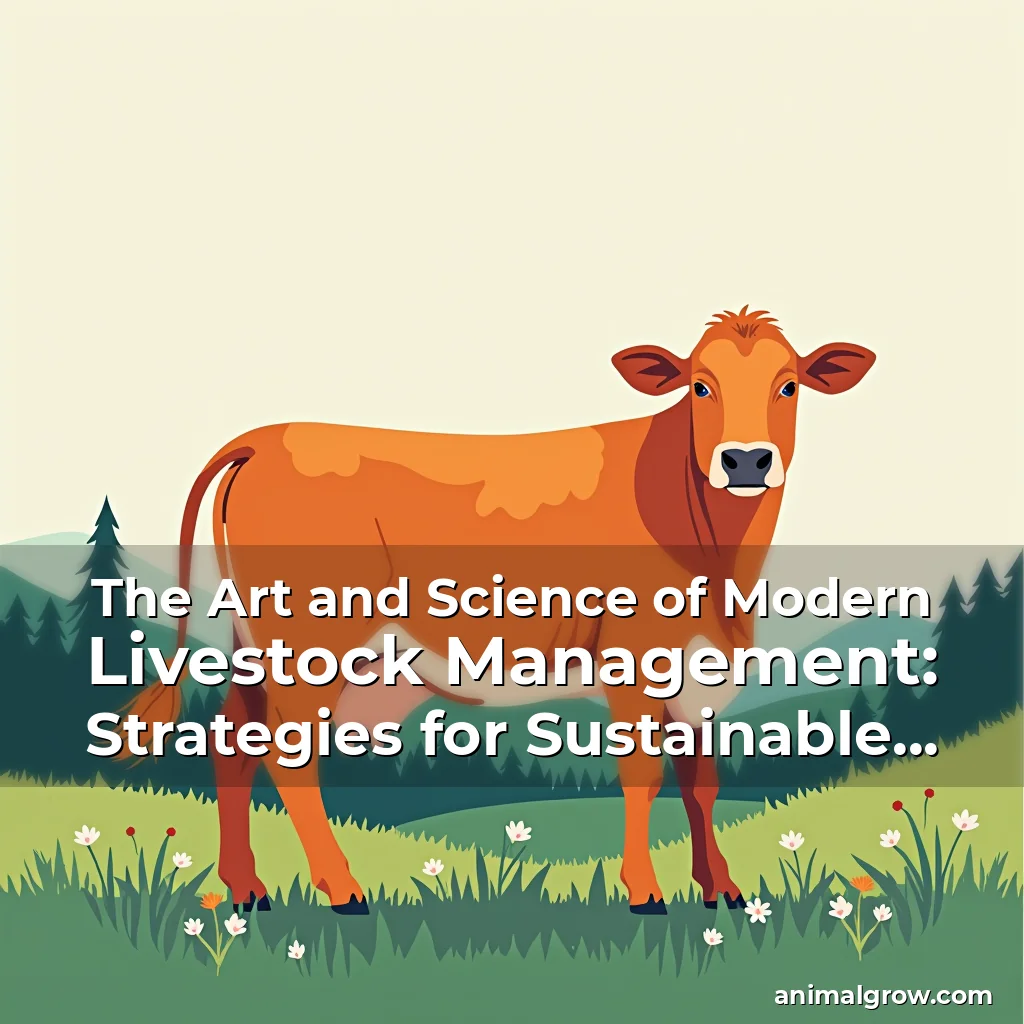
The Art and Science of Modern Livestock Management: Strategies for Sustainable Growth
Livestock management is the cornerstone of successful agricultural enterprises, blending traditional wisdom with cutting-edge technology to ensure healthy animals, optimal productivity, and environmental stewardship. As global demand for meat, dairy, and other animal products continues to rise, effective management practices are becoming increasingly vital.
This guide delves deep into the principles and techniques that define modern livestock management, offering practical strategies tailored for farmers, ranchers, and agribusiness professionals seeking long-term success in their operations.
Fundamental Principles of Effective Livestock Management
A strong foundation in livestock management begins with understanding the core principles that govern animal health, welfare, and production efficiency. These principles serve as the blueprint for every aspect of managing farm animals, from breeding programs to feeding regimes.
One such principle is the importance of maintaining clean living conditions. Animals raised in unsanitary environments face higher risks of disease outbreaks, reduced growth rates, and lower reproductive performance. Regular cleaning routines, waste removal systems, and pest control measures are essential components of any well-managed operation.
Proper nutrition also plays a critical role in livestock management. A balanced diet not only supports overall health but also maximizes weight gain, milk yield, and egg production across different species. Feeding programs should consider factors such as age, breed, physiological stage, and local feed availability when formulating rations.
Vaccination schedules represent another fundamental element of good practice. Timely immunizations help prevent contagious diseases that can spread rapidly through herds or flocks, protecting both individual animals and entire populations from economic losses due to illness or death.
Key considerations:
- Hygiene protocols: Implementing strict biosecurity measures at entry points helps reduce pathogen transmission between facilities and prevents cross-contamination among various groups within an establishment.
- Nutritional balance: Consulting veterinary experts or extension services ensures that formulated diets meet all nutritional requirements while remaining cost-effective for producers.
- Disease prevention: Routine health checks combined with targeted vaccination campaigns significantly enhance herd immunity levels against common infectious agents prevalent in your region.
Breeding Programs and Genetic Improvement in Livestock
Strategic breeding initiatives lie at the heart of sustainable livestock development by enabling selective improvement over generations. Through careful selection based on desirable traits, farmers can gradually increase yields, improve resistance to diseases, and achieve better uniformity among offspring.
Genetic diversity remains crucial during these efforts; however, excessive emphasis on single characteristics may lead to unintended consequences such as decreased fertility rates or increased susceptibility to certain illnesses. Therefore, responsible breeding requires balancing multiple attributes simultaneously rather than focusing solely on one trait.
Modern technologies have revolutionized how we approach genetic enhancement today. Tools like DNA testing allow precise identification of beneficial genes associated with high-quality meat production or enhanced milk secretion capabilities before implementing mating decisions.
Data-driven approaches now enable breeders to track lineage histories accurately using digital records maintained either manually or via specialized software platforms designed specifically for pedigree tracking purposes.
Trends Shaping Future Breeding Practices
Recent advancements indicate growing interest towards incorporating genomic information into routine breeding decisions. This shift promises greater accuracy regarding expected outcomes compared to conventional methods alone which often rely heavily upon visual assessment alone.
In addition, ethical concerns surrounding artificial insemination procedures continue influencing policy frameworks worldwide. Regulatory bodies increasingly require transparency around sourcing materials used in such processes including semen samples obtained ethically from donor males.
Feeding Strategies That Maximize Productivity And Profitability
Optimizing feed utilization stands out as one of the most impactful ways to boost profitability while ensuring optimal animal condition. Careful formulation of ration mixes considering protein content, fiber levels, energy density, mineral supplementation needs becomes paramount here.
Crop rotation schemes implemented alongside grazing patterns influence available pasture quality significantly affecting natural forage intake quantities accessible daily to each animal unit present on land holdings under management.
Economic analyses suggest that investing resources toward improving feed conversion ratios yields substantial returns over time despite initial setup costs involved initially especially where automated monitoring devices capable detecting early signs metabolic stress exist currently being deployed successfully several commercial setups globally.
Precision agriculture techniques involving satellite imagery mapping soil nutrient concentrations paired with sensor networks measuring real-time moisture contents facilitate highly customized fertilization plans enhancing subsequent harvests directly benefitting future fodder supplies intended primarily for non-grazing livestock categories requiring supplemental feeds beyond what native grasses provide naturally.
Health Monitoring Systems For Early Detection Of Illness
Early detection mechanisms play pivotal roles safeguarding flock integrity preventing widespread contagion scenarios otherwise leading catastrophic financial repercussions particularly affecting smallholder farms lacking robust insurance coverage options typically enjoyed larger scale operators.
Continuous temperature monitoring wearable devices fitted onto select individuals randomly sampled across population cohorts enables rapid identification anomalies indicating possible feverish states warranting immediate isolation until confirmed diagnosis achieved through laboratory tests conducted locally or referred externally depending severity level observed symptoms exhibited.
Automated milking parlors equipped sensors capable analyzing somatic cell counts instantly alert personnel whenever deviations occur suggesting mastitis issues developing within udder tissues necessitating prompt intervention measures before full-blown infection ensues impacting overall milk quality standards met regulatory benchmarks governing sale eligibility criteria established jurisdictionally relevant authorities overseeing dairy industry compliance matters.
Regular fecal sample examinations performed routinely scheduled intervals assist pinpoint parasitic infestations afflicting gastrointestinal tracts potentially impairing digestion efficiencies reducing absorption capacities key nutrients required supporting normal bodily functions maintenance activities occurring constantly within biological organisms regardless external circumstances faced environmentally.
Sustainable Practices In Contemporary Livestock Operations
Environmental sustainability has become central concern shaping contemporary livestock enterprises aiming align operational goals ecological preservation imperatives concurrently addressing climate change mitigation objectives set forth international agreements ratified majority nations participating global governance structures facilitating transnational cooperation endeavors.
Manure management systems utilizing anaerobic digesters convert organic matter biogas usable renewable energy source powering nearby facilities thereby decreasing dependency fossil fuels promoting cleaner air quality improvements measurable localized regions hosting such installations regularly monitored assess emissions reductions achieved annually reported publicly verifiable datasets made accessible online portals maintained governmental agencies tasked regulating pollution controls across sectors contributing greenhouse gases atmosphere.
Rotational grazing methodologies adopted extensively rangeland management contexts demonstrate proven effectiveness curbing overgrazing incidents preserving vegetative cover intact benefiting wildlife habitats coexisting human settlements reliant stable ecosystems functioning efficiently sustainably indefinitely provided managed appropriately according conservation guidelines issued expert organizations dedicated studying land use dynamics interactions occurring complex web relationships existing flora fauna communities residing shared spaces.
Water recycling initiatives integrated irrigation networks supply necessary hydration demands livestock units minimizing wasteful drainage occurrences maximizing resource efficiency metrics tracked periodically benchmarked against industry averages determining areas needing further optimization adjustments implemented accordingly strategic planning sessions held quarterly reviewing progress indicators identifying opportunities innovation adoption new technologies emerging market trends influencing sector evolution trajectories forward-looking perspectives anticipating upcoming challenges likely arise horizon.
Technological Innovations Transforming Livestock Industry
Rapid technological developments continually reshape landscape livestock management domain offering novel solutions previously unimaginable eras past characterized manual labor intensive operations limited data collection possibilities hampering decision-making precision required achieving desired outputs consistently reliably across diverse geographical locations varying climatic conditions encountered day-to-day functioning enterprises engaged primary production cycles.
IoT-enabled collars worn cattle sheep goats transmit GPS coordinates cellular network connections allowing real-time location tracking invaluable locating missing animals swiftly responding threats posed predators poachers unauthorized intrusions jeopardizing security assets invested infrastructure investments secured perimeter defenses reinforced accordingly intelligence gathered utilized refining protective strategies dynamically adapting evolving situations unfold unpredictably nature outdoor environments inhabited domesticated creatures dependent caretakers vigilance attentiveness ensuring safety wellbeing maintained continuously throughout lifecycle stages experienced.
AI-powered image recognition tools analyze video footage captured motion cameras strategically placed enclosures identify abnormal behaviors indicative distress pain injury promptly notifying staff initiating appropriate remedial actions averting escalation complications requiring advanced medical interventions escalating treatment costs potentially resulting loss revenue generated productive livestock units compromised due neglect timely care provisions rendered.
Blockchain technology facilitates transparent traceability systems documenting complete journey commodities produced slaughtered distributed marketplace participants assured authenticity origin sources validated immutably recorded ledgers accessible stakeholders verifying claims made regarding product quality assurance commitments upheld throughout supply chain segments traversed goods reaching end consumers ultimately strengthening brand trustworthiness fostering loyalty repeat purchases driven positive experiences accumulated consistent reliability delivered consistently irrespective fluctuations external variables impacting consistency delivery standards promised initially agreed upon terms contracts signed establishing mutual expectations clear boundaries defining responsibilities fulfilled parties involved transactions executed smoothly seamlessly without disruptions interrupting workflow sequences planned meticulously ahead timelines adhered strictly maintained accountability ensured throughout duration engagements sustained long term partnerships cultivated mutually beneficial exchanges promoting continued collaboration growth prosperity shared amongst entities operating interconnected ecosystems thriving together harmoniously.
Community Engagement And Knowledge Sharing Within Livestock Networks
Building resilient livestock industries relies strongly upon fostering collaborative environments encouraging knowledge exchange among practitioners sharing best practices innovations discovered tested applied field settings contributing collective advancement discipline progressing steadily upwards trajectory excellence achieved through continuous learning improvement efforts undertaken jointly rather isolated silos limiting potential gains obtainable open communication channels actively nurtured cultivated deliberately intentionally.
Local farmer cooperatives act pivotal hubs organizing educational workshops seminars inviting subject matter experts delivering lectures demonstrations illustrating latest research findings applicable immediate contexts confronting members everyday challenges encountered managing diversified portfolios livestock types differing breeds ages genders physiological statuses requiring differentiated approaches handling unique requirements peculiarities inherent particular species classifications.
Online forums dedicated livestock enthusiasts professionals provide platforms discussing current events breakthrough discoveries debated critically evaluated objectively weighing pros cons implementing suggested modifications trial basis observing results comparing outcomes prior implementations deciding whether retain discard adapt integrate newly acquired competencies skill sets expanding repertoire expertise possessed individually collectively enhancing capacity address multifaceted problems arising unpredictable manner demanding flexible adaptive responses crafted thoughtfully deliberatively.
Government extension services remain indispensable resources connecting rural populations urban counterparts bridging informational gaps translating scientific jargon layman’s language ensuring comprehension levels attained sufficient thresholds enabling informed choices made confidently without ambiguity confusion clouding judgment clarity required executing sound business decisions affecting livelihoods futures generations ahead.
Conclusion
Mastering livestock management involves integrating science-based methodologies cultural traditions innovative technologies creating holistic framework sustaining profitable viable enterprises meeting present needs without compromising ability future generations fulfill theirs adequately sufficiently.
To thrive amidst ever-changing landscapes dictated shifting consumer preferences technological revolutions regulatory amendments prudent managers embrace lifelong commitment staying abreast emerging trends cultivating curiosity willingness experimenting exploring uncharted territories discovering untapped potentials unlocking unprecedented opportunities transforming ordinary operations extraordinary achievements celebrated widely recognized respected industry leaders setting benchmarks others strive emulate relentlessly pursue perfection ceaselessly striving elevate standards continually pushing boundaries redefining possibilities reshaping paradigms forever altering course history written today.
“`


news is a contributor at AnimalGrow. We are committed to providing well-researched, accurate, and valuable content to our readers.
You May Also Like

The Dark Side of Dairy Farming and Deer Farming
A deer's untimely demise serves as a wake-up call to the livestock farming industry A deer with entangled antlers was...
Molesworth Farm Achieves TB-Free Status
Molesworth Farm, a well-known dairy farm in the South Island of New Zealand, has achieved a significant milestone in its...

Official Media Stresses Importance of Protein Rich Diets for Cats
A deficiency in protein can lead to a range of health issues, including:Protein Deficiency in Cats: Understanding the RisksCauses and...
Two arrested multiple dogs rescued in response to animal cruelty allegations in Athens
The Investigation and Arrest The Athens police department launched an investigation into the alleged animal cruelty and neglect after receiving...