


Urolithiasis in cats (urolithiasis) refers to diseases of the lower urinary tract. In the urine of the animal, blood is visible, the behavior indicates pain during urination, frequent urges are observed, blockage of the channels occurs, leading to a fatal outcome. According to statistics, 12–13% of cat and cat owners turn to veterinary clinics because of the formation of stones in the bladder, kidneys and ureters in animals, pets from 1 to 6 years old are more likely to get sick.
Characteristics of the disease
Urolithiasis in cats has a polyetiological nature, that is, it occurs due to many underlying causes. Etiological factors cause a violation of metabolic processes, a change in the acidity of urine and its retention in the ureters. Excessive formation of fibrins and other proteins leads to narrowing of the passages, the appearance of stones.
About 5% of cases involve the localization of stones in the ureters and kidneys (renal damage is more often recorded on the left). In both kidneys, stones form in 9% of cases, in cats in some forms of the disease with kidney stones, there are no symptoms. Blockage of the ureter leads to severe pain, the development of kidney failure and the formation of a chronic disease.
Urolithiasis in cats is sometimes detected during a routine examination, along with complications such as an enlarged ureter, pathology of the urinary outflow, expansion of the pelvis, calyces, atrophy of the kidney tissue, tumors, and atrophic changes in the prostate gland.
Types of stones
The type of stones in the kidneys and ureters depends on the acidity of urine in pets:
- at a pH of 5, urates develop (potassium and sodium salts of uric acid);
- a pH value of 5.1–6.0 indicates the formation of oxalates (calcium esters and salts of oxalic acid);
- with an increase in pH greater than 7.0, they indicate the development of phosphates (salts of phosphorus stones).
Urats
Urates are formed by the action of chemicals, the increased concentration of which does not allow them to completely dissolve, so crystals form, forming small stones. Foreign particles in the ureter (cell debris, waste products of bacteria), around which crystals form, contribute to the appearance of calculi. Urates appear when the urinary system is contaminated with pathogenic microorganisms.
They are deposited in the kidneys, bladder of the animal. The urinary system of a cat cannot cope with the large intake of various salts into the body. It is recommended to exclude canned food, red meat, proteins from the diet; it is not recommended to add salt to a portion of the animal.
Oxalates
The reason for the appearance of oxalates is the acidification of urine by the components contained in the diet or dry food. Stones of this type are rare, mainly after the eighth year of life, cats and cats are equally susceptible to the disease. The lack of constant access of the animal to water is important, since the sense of thirst is poorly developed in feline representatives. This is especially important for pets fed dry food.
Oxalates can develop due to a metabolic disorder in the cat’s body, a lack of active enzymes that occur due to a genetic predisposition. The appearance of alkaline salts is promoted by improper functioning of the stomach and intestines of the pet, a lack of vitamin B in the body.
Struvites
The appearance of struvite stones (phosphate stones) is promoted by alkalization of urine, often this happens when feeding one poor-quality type of food. The formations are loose or hard, yellow or cream in color. It is important that the stones dissolve, this makes it easier to get rid of them at an early stage. In felines, struvite is found in 80% of all cases of urolithiasis.
The stones have diamond-shaped edges, their shape resembles an elongated prism. The formations are easily visualized during examination, as they are radiopaque stones. The manifestations of the disease correspond to the symptoms of urolithiasis in general, the feature is the absence of urine or complicated urination.
Causes of the disease
The formation of bladder stones in an animal depends on many factors:
- poorly selected diet, in which preference is given to one type of food, nutrition is depleted in proteins, carbohydrates, minerals, there is no dosage of servings;
- dysfunction of the thyroid gland, due to which iodine deficiency develops;
- lack of vitamin A in the body due to poor nutrition, impaired intestinal absorption, or the inability of the liver to process carotene into retinol;
- excessive intake of proteins (proteins), phosphates, calcium and magnesium salts with food;
- violation in the body of cats of metabolic processes;
- genetic predisposition to the disease of breeds of Persians, long-haired Himalayan, Burmese cats;
- low mobility of the cat, excessive weight, inactive in this case are castrates and sterilized cats;
- water for drinking an animal of poor quality or its insufficient quantity (a lot of salts accumulate in a small volume of urine);
- delayed emptying of the bladder due to a dirty cat litter tray;
- infectious lesions of the ureters, systemic diseases.
Urolithiasis develops under the influence of external and internal factors, due to the difference in the anatomical structure, cats get sick more often than cats, the peak incidence is observed in autumn and spring.
Symptoms
In pets during the period of illness, urination is disturbed, this leads to the appearance of pain of varying intensity. Because of this condition, the pet urinates in different places, and not in his tray. A sign of impaired urination is often a plaintive meow. There are frequent urges, mostly false, fine sand is present in the urine.
The admixture of blood in the urine (hematuria) is a dangerous harbinger of serious complications, if you do not show the pet to a specialist, then the death of the animal is possible.
The admixture of blood is sometimes not so easy to understand, since the color of the urine can vary with the amount of blood excreted, sometimes the urine looks like gray meat slop, orange-brown or reddish liquid. Each of the options, different from the usual color, requires an examination of the pet by a veterinarian.
The animal licks the urethra, as often the pain is caused by sand in the urine, which irritates the urethra, the cat’s body temperature rises to 38-40 ˚С. The next day, the pet’s behavior is lethargic, he has no appetite. Blockage of the urinary tract causes the animal to take the characteristic postures for urination, meow, worry.
With careful palpation, you can determine a dense abdomen, enlarged in size. Overflow of the bladder due to the inability to pass urine leads to the development of intoxication. The condition of the animal worsens, sometimes the body temperature drops to 35–36 ˚С. This condition can lead to death within 2-3 days due to bladder rupture, peritonitis, or poisoning of the body with toxic components.
A complication of the condition is manifested by vomiting, complete absence of urine, convulsive movements of the animal, and the development of autointoxication (uremia). Self-poisoning of the body occurs in the event of the appearance of poisons due to disruption of the kidneys, retention of decomposition products that should have been excreted in the urine. Sometimes this leads to the accumulation of bacterial accumulations and toxins.
Treatment of urolithiasis
Helping animals is primarily aimed at restoring the patency of the urinary tract, eliminating urinary stagnation and its consequences. The following methods are used:
- drug therapy with symptomatic, litholytic, infectious drugs;
- catheterization;
- surgical removal of stones.
The use of drugs is indicated if the stones can be removed without surgery, the cat’s condition can be improved, and the infectious complication is eliminated.
Symptomatic drugs
Obturation (blockage of the ureter) is accompanied by spasm of smooth muscles, irritation of the mucous membrane by sand or stones with sharp corners passing through it.
In this case, antispasmodics are used:
- Atropine sulfate reduces the tone of the ureter, blocks the receptors of the parasympathetic nervous system, is administered subcutaneously or intramuscularly twice a day at a dosage of 0.25 to 1 mg.
- No-shpa is a first aid, antispasmodic of strong and long-term action, reduces the sensitivity of smooth muscles, with intravenous administration, the analgesic effect occurs in a few minutes.
- Papaverine hydrochloride – an antispasmodic opium alkaloid relaxes the smooth muscles of the urinary organs, is injected into the body intravenously or in tablets.
- Spazmalgon is a complex remedy containing a combination of a non-steroidal anti-inflammatory drug, an anticholinergic agent and an antispasmodic, used to relieve pain and lower the animal’s body temperature.
- Spazgan is used to eliminate pain and reduce fever.
At the same time, sedatives are prescribed:
- Rowatinex is used as an anesthetic, this phytopreparation is available in gastro-soluble capsules, given to the animal before meals twice a day.
- Chloral hydrate is a sedative drug that has an analgesic effect, reduces arousal, inhibits the reaction of nerve cells.
- Sodium bromide is used as an anticonvulsant and sedative.
- Bromocamphor is used in case of strong restless behavior of the animal to calm down.
Analgesics:
- Amidopyrine is a non-narcotic analgesic that simultaneously lowers the temperature, is available in the form of powders and tablets.
- Analgin is a popular non-opioid pain reliever with a weak anti-inflammatory effect.
Litholytic agents
The process of litholysis means the destruction, dissolution of stones and the removal of their decay products from the pet’s body. As destructive drugs are used:
- Urolit – a medicine for dissolving calcium-containing and uric acid stones, is a mixture of weak acids and strong alkalis, and is also used as a prophylaxis.
- Urodan is a combination of components for cleansing the body of uric acid, disinfects, and reduces the manifestations of inflammation.
In combination with them it is recommended:
- Urosulfan – helps to treat inflammatory processes in the urinary system.
- Urobesal – used in the treatment of obstruction of the urinary tract.
For specific litholytic drug therapy, it is recommended to use Cyston as an effective remedy. Under the action of the drug, salt crystals and uroliths are intensively removed from the urinary canal. Long-term use restores crystalluria. After treatment with Cyston, there are no manifestations of relapses.
In the absence of Cyston, Phytolysin is used (as an auxiliary drug when interacting with other litholytic drugs). The drug is given to the animal carefully, as side effects may occur.
The tool can help break down stones within six months from the start of use. At the beginning of treatment, crystalluria (the formation of small salt crystals in the urine) increases, but the lethality of animals is almost not recorded. Sometimes the use of Phytolysin in animals causes profuse salivation, then the medicine is canceled. After treatment, a period of repeated exacerbation is sometimes observed.
The use of Kotervin is not always effective, since taking the drug for more than 20 days causes complications in the form of side effects, and this time is not enough for the splitting of stones and their removal.
Infectious drugs
It is important to eliminate infectious accompaniment and monitor relapses in the future. Antibiotics are used continuously for two weeks, otherwise it will not be possible to achieve a lasting effect. The following antivirals are used:
- Bicillin-3 destroys gram-positive microorganisms, spore-forming anaerobic bacilli, some gram-negative microorganisms, at home they inject into the muscles after consulting a veterinarian.
- Klamoksil is a semi-synthetic antibiotic of the penicillin group with a prolonged action, acts on gram-positive and gram-negative organisms.
- Palin belongs to the group of fluoroquinolones, actively copes with the treatment of inflammatory processes of the genitourinary system.
- Furazolidone is a derivative of nitrofural, has a low toxic effect on the body, and is effective in acidic urine.
- Trichopol is used to destroy Trichomonas in the urethra, if the blockage of the urinary canal is caused by contamination with these bacteria.
- Biseptol refers to a broad-spectrum bactericidal agent that effectively works to treat urinary tract infections.
catheterization of cats
If the life of the animal is threatened, the catheter is inserted to the place of the obstacle, the calculus is displaced and the lumen is released for urine to pass, the procedure is allowed to be done no more than 2-3 times. In cats, compared to cats, catheterization is much more painful, since they have a longer urethra. Sometimes, due to unforeseen injury to the urethra with an instrument, the swelling of the mucosa becomes greater and the lumen decreases. Catheterization should be performed by an experienced veterinarian, as there is a risk of perforation of the urinary canal wall.
During the installation of the catheter and after its removal, Traumeel is used, which belongs to the group of homeopathic medicines and is given to the animal to alleviate the condition after catheterization. Antispasmodics No-shpa, Spazgan, Baralgin are widely used. Make a mixture to relieve pain (50% analgin and 1% diphenhydramine). For maintenance treatment, Gamavit is used – the drug actively helps to regenerate damaged areas of the mucosa, facilitates the exit from anesthesia, reduces the risk of overgrowth of the urethra and the occurrence of obstruction due to this.
Surgical treatment
In emergency cases, when the life of the animal is threatened, a surgical operation called urethrostomy is performed. If the blockage in a cat does not go away with the use of drug treatment, relapses occur repeatedly, then urethrostomy is the only way out of a difficult situation. The essence of the operation is the formation and transformation of the urethral canal following the example of the female – wide and short. Surgery is of two types:
- A urethrostomy involves the formation of a small opening in the urinary duct through which stones are removed. The hole is not allowed to overgrow until the condition of the animal improves.
- Cystomy is done in very complex and severe cases, when there is almost no chance left. It consists in opening the bladder and removing stones from there, such interventions are justified if the stones are large, cause pain and cannot be dissolved.
Urethrostomy is divided into two types:
- prelonny urethrostomy;
- perineal urethrostomy.
During a prepubic urethrostomy, the veterinarian corrects the pathological changes that have formed in the cat’s small pelvis. This method is rarely used, only if perineal access is difficult. The damaged part of the canal is removed through an incision in the peritoneum, at the same time urine is removed from the bladder using a puncture.
More often, the perineal method is used, which forms a new passage. At this time, the cat is castrated, if it has not been done before. As a result, the leading channel acquires straightness and expands, since then small stones and sand can easily pass through it.
Indications
Ureteroscopy in cats is done to avoid blockage of the channel, but urolithiasis outside the acute period requires persistent treatment with medication. The operation is scheduled only after substantiation of good reasons:
- relapses are repeated repeatedly, and the disease state exhausts the animal;
- there is a complete blockage of the canal, overflow of the urinary canal threatens with rupture and death;
- the urinary canal is seriously damaged or traumatized by stones, sometimes by catheterization;
- when determining calcium oxalates in the body, which do not dissolve in a therapeutic way and cannot exit on their own;
- catheterization is not possible for various reasons.
Before the operation, the veterinarian must clearly determine the location of the stones, since it is the narrow impassable areas that are removed during the operation in order to exclude further accumulation of calculi and sand.
Recovery period
In order for the swelling to pass after the operation, and the new wide opening does not narrow and does not overgrow, a bougienage procedure is performed. It lies in the fact that a probe of sufficient width is placed in the new lumen of the urethra, a catheter can be used. The seams are processed, the correctness of the newly formed wide channel is checked.
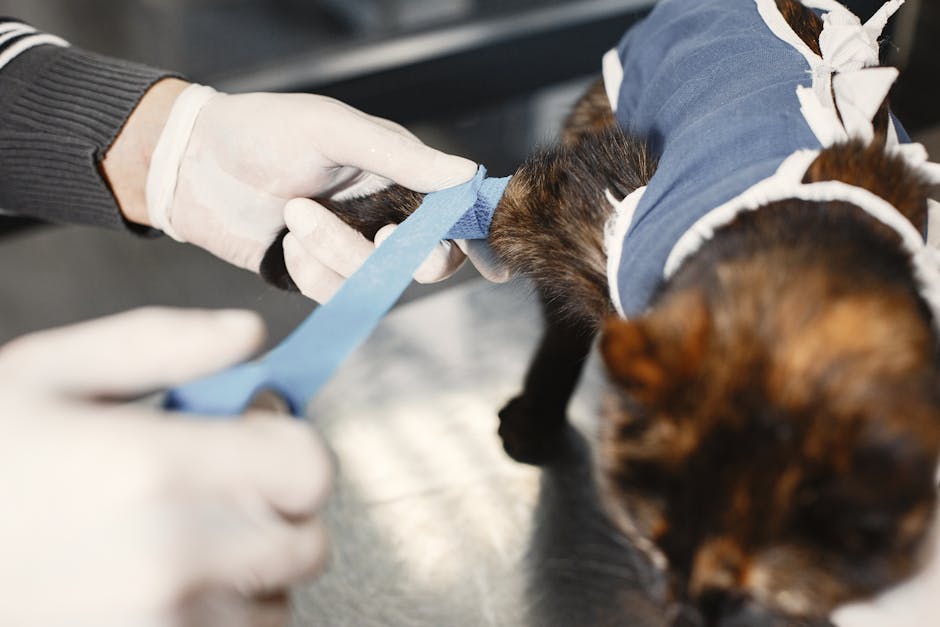
In order for the cat not to lick the wound, he is put on a diaper and a special protective collar that limits access to the outer edge of the urethra. The veterinarian prescribes antibacterial and anti-inflammatory drugs to eliminate the risk of developing urethritis or bacterial cystitis, to prevent the formation of pus and inflammation.
To avoid kidney damage, monitor the condition of the pet and provide him with special conditions:
- water is purified and given to the cat in sufficient quantity;
- his trips to the tray, their frequency are constantly monitored;
- pay attention to the pet’s appetite and activity during the rest.
Dangerous symptoms of complications can be convulsive twitches, a decrease in temperature to 35 ˚С, refusal to eat, in this case, you need to urgently take the animal to the doctor. The sutures are removed after 10–15 days, when the animal is fully restored. Before this, they are convinced of the complete healing of the wound and the absence of inflammation.
Complications after surgery
After a certain time, the already formed urethra in the animal begins to narrow or grow. This is a serious complication that requires a second urethrostomy operation. This may be due to incorrect operation by the veterinarians themselves, or the integrity of the mucosa may have been compromised for other reasons.
Dysuria as a complication after surgery leads to impaired urination in a pet. This complication occurs due to undetected bacterial carriers in the urine after urethrostomy. Sometimes the causes of dysuria lie in the compression of the canal by a tumor, new stones. During the operation, stones are removed, but the cause of their appearance is not eliminated.
Diet for urolithiasis
A successful prognosis with therapeutic treatment is possible if the recommendations regarding the diet of the animal are followed, but it must be remembered that changes in nutrition should be introduced after consultation with the veterinarian. Feeding options differ depending on the type of stones, the wrong selection of products can harm the pet. Basic dietary tips:
- usually the animal is transferred to 4 meals a day, dividing into several portions helps to reduce urolytic activity and reduce fluctuations in the acidity index during the day;
- they try to reduce the body weight of a sick animal, since overeating a pet leads not only to increased stress on the stomach and intestines, but also makes the kidneys work hard;
- dehydration is a dangerous factor, since the concentration of salts in a certain volume of urine becomes unacceptable, the animal must have access to purified water (bottled or filtered liquid is changed twice a day);
- do not allow the cat to become hypothermic, he cannot be outside for a long time in the cold season, lie and sit on cold objects, surfaces;
- do not use low-grade dry food from the economy class series to feed the animal, as they are low in calories and the amount of nutrients in them is unbalanced, as a result, pets overeat.
The tendency to form urinary stones is a lifelong diagnosis for a cat and a cat, so the diet chosen by the veterinarian should be practiced throughout the life of the pet.
In the acute course of urolithiasis with partial blockage of the urethra or a complication in the form of dysuria, the appearance of blood in the urine and increased crystal formation, canned food is the most acceptable. They are easily absorbed by the body and contain up to 75% of the moisture used to enhance the formation of urine. Their effectiveness lies in the fact that after a certain period of application, the phenomena of crystalluria disappeared, and the main laboratory parameters returned to normal.
Feed manufacturers indicate nutritional characteristics that increase or decrease the acidity of cat urine, so the type of canned product is chosen depending on the laboratory tests of the animal and recommendations on the package.
Traditional medicine
Folk remedies can treat the disease only at the initial stage or during remission. Inflammation of the kidneys, ureters or bladder is not recommended for pets to treat on their own.
Folk recipes can provoke the dissolution of the stone, its reduction in volume and movement. This situation leads to blockage of the ureter, a violation of the outflow of urine.
Herbal infusions
Recipes for the treatment of cats include herbal infusions or decoctions, which are regularly given to animals to drink. Some traditional medicine recipes are prepared as follows:
- For decoctions, lingonberries (grass and berries), leaves and seeds of plantain, branches and fruits of heather, grass and bearberry seeds are taken. They can be used individually or combined with each other. A tablespoon of the mixture is brewed with boiling water and left for an hour. After straining, give three times a day half a pipette per 400 g of body weight.
- For the preparation of decoctions and infusions, alfalfa grass, dandelion leaves and flowers, nettle leaves are used. Preparation is similar to the previous recipe.
- The use of ghee is beneficial for the cat’s body. It is prepared from ordinary cow by melting over low heat or a water bath. The cat is given a quarter of a teaspoon once a day, adding to the diet.
Madder dye
The use of the plant in the treatment of cats with urolithiasis completely replaces certain medical procedures. Madder dye is admitted by pharmacology in the form of tablets intended for the treatment of humans, but such therapy is also effective for animals. For pets, the tablet is divided into 4 parts and one is dissolved in 25 ml of distilled or boiled (chilled) water.
For the treatment of cats, medicine is given at the rate of 1 ml of solution per kilogram of body weight. The drug is conveniently injected into the cat’s mouth using an ordinary syringe without a needle. In severe condition of the animal, the dosage can be doubled. They return to the original norm in case of improvement in the health and condition of the cat. The drug course lasts at least a month, only at the same time good indicators of laboratory tests are achieved.
The medicine is used in combination with a diet, with careful selection of food and feed. Contraindications for the use of the plant in treatment are renal failure in the animal and a stomach ulcer in the acute stage.
Cats showing symptoms of restless behavior due to urolithiasis should be treated immediately, only in this case we can talk about a positive prognosis.


Grow is a contributor at AnimalGrow. We are committed to providing well-researched, accurate, and valuable content to our readers.
You May Also Like


Experts warn ticking time bomb fur trade must end to prevent future pandemics
Since then, the world has been plagued by a series of other deadly viruses, including Ebola, SARS, and MERS. These...

Vet varsity charts record sales of meat based dairy products during Pashu Palan Mela
The Significance of the Pashu Palan Mela The Pashu Palan Mela is a significant event for the university, showcasing its...

Pets as Family: Understanding New York's Pet Custody Laws
Breaking Down the Emotional Bond For many of us, our pets are more than just animals. They're family members who...

Commissioners Plan For Enhanced Animal Shelter & Boat Ramp Upgrades!
The county is also investing in upgrades to the boat ramps, which will provide better access to the water for...