


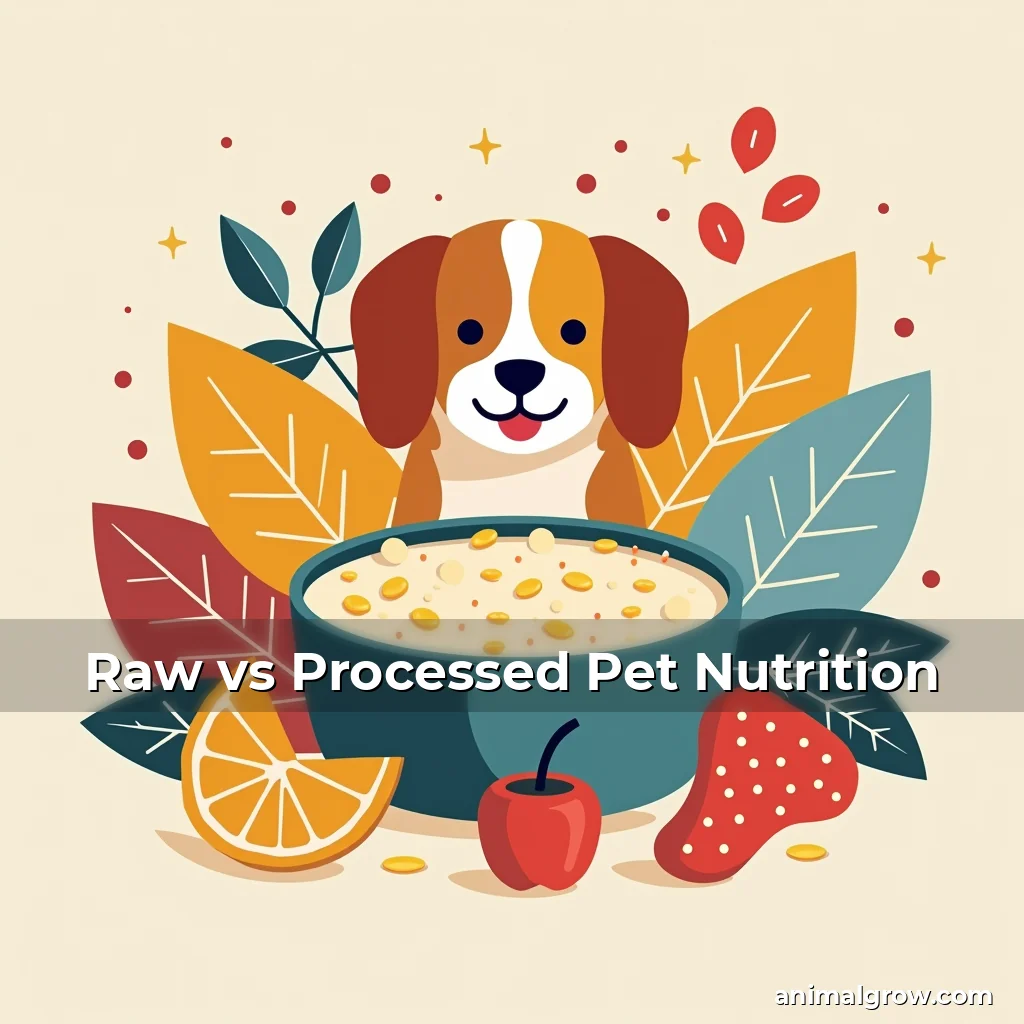
The Raw vs Processed Debate in Modern Pet Nutrition
Pet nutrition has evolved significantly in recent years, driven by growing awareness of dietary impacts on long-term health. With countless choices available—from commercial kibble to homemade recipes—the question remains: which approach truly supports optimal well-being?
The divide between raw and processed diets continues to spark passionate discussions among veterinarians, pet parents, and researchers alike. Understanding the nuances of each method empowers owners to make informed decisions.
Understanding Biological Appropriateness in Feeding Practices
Cats and dogs are descendants of obligate carnivores or omnivores, depending on species. This evolutionary heritage influences their nutritional requirements, which modern diets must reflect to meet biological needs.
Raw feeding proponents argue that natural prey diets provide essential enzymes, vitamins, and minerals unaltered by heat treatment. These elements may contribute to improved digestion and vitality in many animals.
- Bioavailability: Nutrients in raw meat remain bioavailable due to minimal processing interference. This means pets absorb them more efficiently compared to cooked or industrialized alternatives.
- Digestive Health: Enzymes present in fresh meats assist in breaking down food naturally. Some studies suggest this reduces gastrointestinal distress commonly seen in pets fed exclusively dry food.
However, critics caution against assuming all wild ancestors consumed balanced meals. Prey animals often included bone, organ matter, and occasional plant materials—a complexity rarely mirrored in domestic feeding routines.
Examining the Benefits of Commercially Processed Diets
Processed pet foods offer unparalleled convenience, consistent formulation, and safety protocols designed for mass consumption. Many are developed by experts utilizing decades of research on feline and canine physiology.
Kibble and wet food undergo precise heating processes that eliminate harmful pathogens while preserving necessary macronutrients. Advanced manufacturing techniques allow for controlled nutrient ratios tailored to life stages or medical conditions.
Safety Standards Behind Processing Technologies
FDA-regulated facilities adhere to strict hygiene benchmarks, reducing risks associated with spoilage or cross-contamination. Pasteurization and extrusion methods destroy parasites and bacteria found in raw ingredients.
While heat treatment alters certain compounds, modern formulations compensate with added taurine, antioxidants, and essential fatty acids known to support vision, heart function, and coat health in pets.
Some premium brands incorporate freeze-dried components alongside traditional kibble bases. This hybrid model retains moisture content and enzymatic activity while maintaining shelf stability for extended periods.
Identifying Key Risks in Both Dietary Approaches
No diet is universally ideal; success depends on adherence to scientifically validated guidelines combined with regular veterinary oversight. Missteps in either direction can lead to deficiencies or toxicities affecting various body systems.
Risk assessment becomes particularly critical when preparing raw meals at home. Inadequate calcium-to-phosphorus ratios, insufficient vitamin supplementation, or improper sourcing of ingredients pose serious threats to skeletal development and metabolic functions.
- Zoonotic Disease Transmission: Undercooked poultry or red meat harbors Salmonella and E. coli strains transmissible to humans through contaminated surfaces or direct contact.
- Nutritional Imbalance: Without professional guidance, homemade diets frequently lack critical micronutrients like B-complex vitamins, iron, or omega-3 fatty acids essential for cognitive function and immune response.
Even commercially processed foods carry risks. Low-quality manufacturers sometimes utilize fillers, artificial colorings, and excessive carbohydrates linked to obesity rates and chronic disease prevalence in companion animals.
Evaluating Cost Implications Over Time
Financial considerations play a pivotal role in decision-making regarding pet diets. While initial costs vary widely, long-term expenditures depend heavily on brand selection, portion sizes, and frequency of vet checkups required to monitor health status.
High-end raw diets typically exceed $8–$15 per pound, whereas premium kibbles range from $6–$12 per pound. However, this calculation ignores labor hours spent meal-preparing or purchasing equipment for storage and preparation.
Hidden expenses arise when dietary errors necessitate medical interventions. Treatments for deficiencies, infections contracted from improperly handled raw meats, or complications stemming from poor diet formulation quickly surpass upfront savings seen in cheaper options.
Customizing Diets Based on Species-Specific Needs
Felids require higher concentrations of protein and arginine compared to canines whose digestive tracts better handle plant-derived substances. Recognizing these distinctions ensures appropriate caloric intake matched with physiological demands.
Senior pets benefit from reduced phosphorus levels coupled with increased fiber content to ease joint strain and promote bowel regularity. Conversely, puppies demand elevated energy densities along with DHA-rich fats supporting neurological maturation.
Special Considerations for Medical Conditions
Animals suffering from kidney failure require low-protein, high-fiber regimens aimed at minimizing uremic toxin buildup while preventing malnutrition. Prescription diets formulated specifically for renal health are recommended unless otherwise directed by a specialist.
Diabetic pets thrive on diets managing glycemic index values carefully. Slow-release carbohydrate sources paired with lean proteins help maintain stable blood sugar levels without triggering insulin spikes.
Allergies mandate complete elimination of trigger ingredients—not merely reduction. Hypoallergenic diets employ novel protein sources unfamiliar to most pets, decreasing likelihood of adverse reactions.
Leveraging Technological Innovations in Pet Food Production
Advancements in biotechnology enable targeted delivery of beneficial microorganisms improving gut microbiota diversity. Probiotic-enriched treats or specialized powders enhance digestive efficiency across multiple species.
Freeze-drying preserves cellular integrity of organic matter while allowing rehydration flexibility. This technique maintains enzymatic potency lost during conventional baking processes yet achieves longer expiration dates comparable to standard packaging methods.
Veterinary teams increasingly recommend personalized nutritional plans combining both raw elements with strategically selected processed supplements ensuring completeness without compromising palatability preferences observed during routine consultations.
Enhancing Owner Engagement Through Educational Resources
Access to reliable information demystifies complex dietary principles previously shrouded in confusion surrounding label reading skills, ingredient identification, and accurate interpretation of nutritional claims featured prominently on product packaging.
Mobile applications featuring AI-driven analysis of grocery store items assist shoppers selecting suitable options aligned with their pet’s individual profiles derived from interactive questionnaires covering weight, activity level, and existing health concerns.
Online communities provide platforms where experienced feeders share tested recipes, troubleshoot common problems, and verify safety practices involving meat thawing procedures, freezing duration recommendations, or proper sanitation measures employed before handling any fresh produce meant for consumption by household pets.
Conclusion
Selecting an optimal pet nutrition strategy involves weighing numerous variables including financial constraints, accessibility of quality ingredients, and willingness to invest time monitoring progress through periodic wellness examinations conducted annually by qualified practitioners.
Ultimately, success hinges upon making conscious choices guided by sound scientific knowledge rather than marketing hype promoting exclusive solutions purported to cure ailments simply through changes in feeding habits alone. Continuous learning remains vital amid rapid evolution occurring throughout this dynamic field impacting millions worldwide who care deeply about their furry companions’ wellbeing.


news is a contributor at AnimalGrow. We are committed to providing well-researched, accurate, and valuable content to our readers.
You May Also Like

The Science and Practice of Sustainable Animal Husbandry: A Modern Farmer's Blueprint
The Science and Practice of Sustainable Animal Husbandry: A Modern Farmer's Blueprint In an era where food security and environmental...

Animal Care Tips: Practical Applications and Benefits
The Essential Animal Care Handbook: Expert Tips for Nurturing Your Furry Friends In an era where pets are considered family...


The Vital Role of Farm Animals in Sustainable Agriculture and Rural Communities
The Vital Role of Farm Animals in Sustainable Agriculture and Rural Communities Farm animals have been integral to human civilization...
Animal Health Vaccinations Schedule
Animal Health Vaccinations Schedule Vaccinating animals is a cornerstone of preventive care, protecting them from life-threatening diseases and promoting longevity....