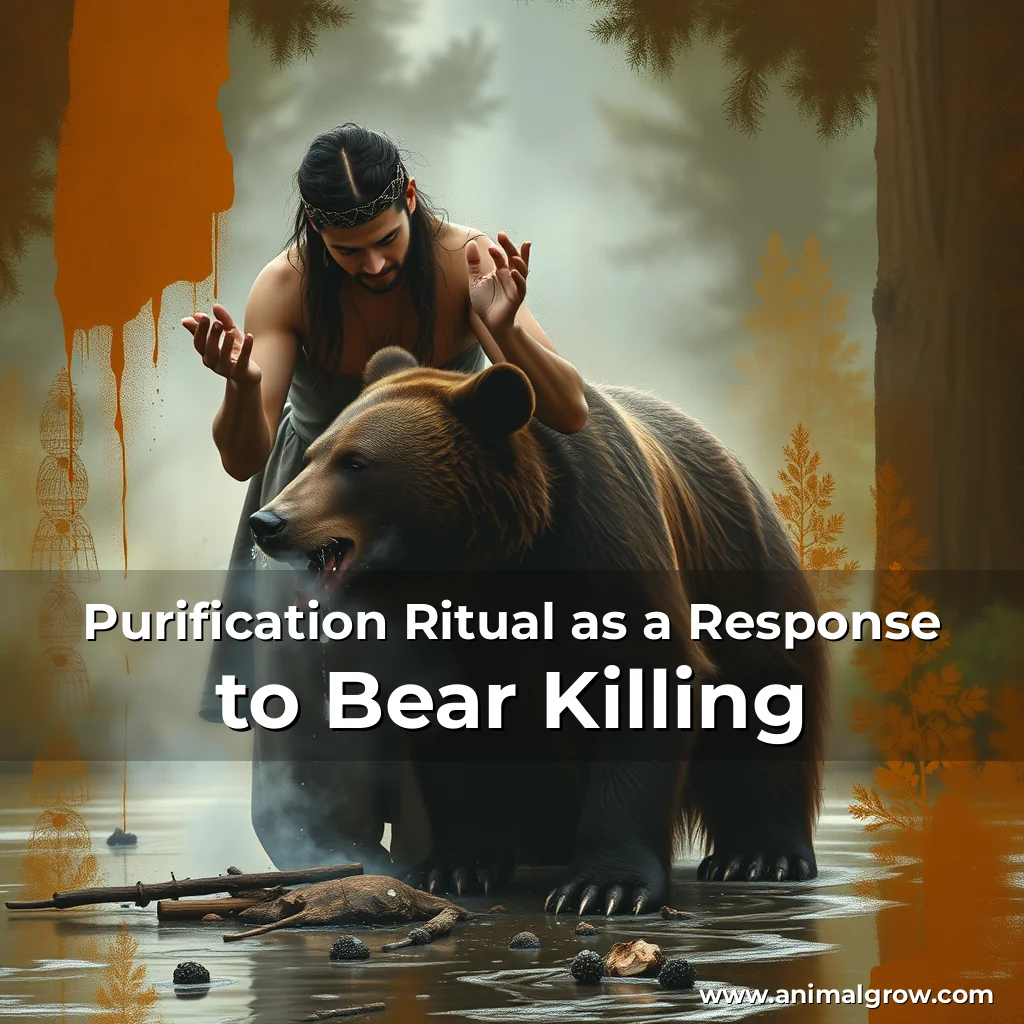
A purification ritual was held yesterday as a response to the killing of a Formosan black bear by the Forestry and Nature Conservation Agency in Hualien County. The ritual, attended by members of the indigenous Bunun community, aimed to cleanse the community of the negative energy and emotions associated with the bear’s death. The bear, identified as YNP-BB02, had been released from Yushan National Park four years ago as part of a research and tracking program. The agency had been monitoring the bear’s movements, but it had been spotted attacking dogs and raiding poultry on multiple occasions over the past 10 days. The Forestry and Nature Conservation Agency claimed that the shooting was necessary to protect human life, citing the Wildlife Conservation Act (野生動物保育法). However, the killing of the bear is considered taboo by the indigenous Bunun community who live in the surrounding areas.
- The indigenous Bunun community has a deep spiritual connection with nature, and the killing of a bear is seen as a desecration of their sacred land.
- The community’s spiritual leaders have emphasized the importance of respecting the bear’s place in the ecosystem and the need to find alternative solutions to human-bear conflicts.
A 28-person response team, including representatives from the agency, Yushan National Park Headquarters, and civil society wildlife conservation groups, was deployed to assist at the scene.
| Agency | Role |
|---|---|
| Forestry and Nature Conservation Agency | Conducted patrol and shot the bear |
| Yushan National Park Headquarters | Released the bear and coordinated with the agency |
| Civil Society Wildlife Conservation Groups | Assisted at the scene and provided expertise |
The bear’s carcass was sent to the ministry’s Veterinary Research Institute for a full necropsy, which will help to determine the cause of its abnormal behavior. The incident highlights the increasing conflict between humans and bears in rural Taiwan, and the need for effective conservation efforts to mitigate this conflict.
“The killing of the bear was a necessary evil, but it also highlights the need for us to rethink our approach to human-bear conflicts,” said a spokesperson for the Forestry and Nature Conservation Agency.
Regret and Respect
The Forestry and Nature Conservation Agency expressed “deep regret” over the death of the animal, but stated that the shooting complied with the Wildlife Conservation Act and was necessary to protect human life. However, the indigenous Bunun community did not accept this explanation, and instead, planned a purification ritual to cleanse their community of the negative energy and emotions associated with the bear’s death. Alternative Solutions
The incident highlights the need for alternative solutions to human-bear conflicts, such as bear-proof fencing and education programs.
- Definitions
- Bear-proof fencing refers to the installation of fencing around agricultural areas to prevent bears from entering and causing damage.
- Education programs refer to the training and education of local residents on how to coexist with bears and prevent human-bear conflicts.
Lessons Learned
The Forestry and Nature Conservation Agency emphasized that lessons learned from this incident would inform future conservation efforts. The agency stated that it would take a more proactive approach to preventing human-bear conflicts, and would work closely with local residents and civil society groups to develop effective solutions. The Importance of Community Involvement
Community involvement is crucial in addressing human-bear conflicts, as local residents have a deep understanding of the ecosystem and can provide valuable insights and expertise.
The Role of Community Leaders
Community leaders play a vital role in promoting coexistence with bears and preventing human-bear conflicts. They can provide education and training to local residents, and work with the agency and other stakeholders to develop effective solutions. The Need for Collaboration
The incident highlights the need for collaboration between the Forestry and Nature Conservation Agency, local residents, and civil society groups to address human-bear conflicts. By working together, we can develop effective solutions and promote coexistence with bears.