


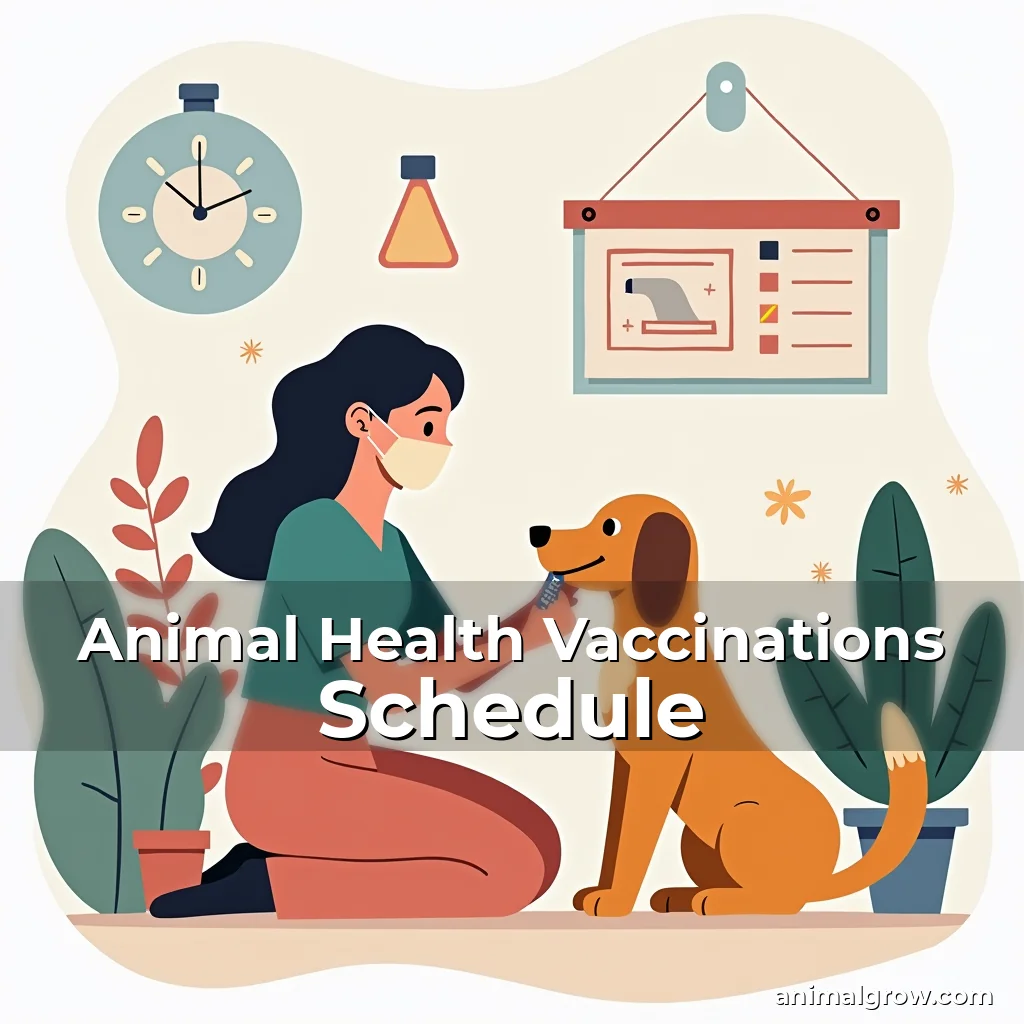
Animal Health Vaccinations Schedule
Vaccinating animals is a cornerstone of preventive care, protecting them from life-threatening diseases and promoting longevity. For the AnimalGrow community and anyone invested in animal well-being, understanding vaccination schedules ensures every creature receives timely, effective protection.
A well-planned vaccination regimen considers species-specific needs, environmental risks, and lifestyle factors. This guide explores the science behind vaccines, how schedules are tailored, and best practices for implementation.
The Science Behind Animal Vaccinations
Vaccines work by stimulating the immune system to recognize and combat pathogens. They contain antigens—inactive parts of viruses or bacteria—that trigger antibody production without causing illness. Once exposed to real threats, vaccinated animals respond swiftly, often preventing severe disease.
Veterinarians design schedules based on disease prevalence, age, and exposure risks. Core vaccines protect against universally dangerous infections, while non-core ones address regional or lifestyle-related threats. Understanding this distinction helps prioritize necessary treatments.
Misconceptions about vaccines persist, such as concerns over side effects or over-vaccination. Modern guidelines balance safety and efficacy, recommending periodic assessments to tailor regimens to individual needs.
Vaccines also benefit communities by reducing disease transmission among animals. Herd immunity shields vulnerable individuals, such as puppies, kittens, or elderly pets, who may not tolerate full vaccination yet.
Core vs. Non-Core Vaccines: What’s the Difference?
Core vaccines are essential for all animals, regardless of environment or lifestyle. Rabies, distemper, and parvovirus vaccines fall into this category due to their high mortality rates and public health implications.
Non-core vaccines depend on geographic location, occupation, and health status. A cat living indoors may never need feline leukemia virus (FeLV) shots, whereas dogs in rural areas face higher risks of Lyme disease or leptospirosis.
- Rabies: Mandated legally in many regions; protects humans and animals alike from fatal infection.
- Distemper (canine): Prevents neurological damage and death caused by viral outbreaks.
- Feline Leukemia Virus (FeLV): Crucial for outdoor cats or those in multi-cat households.
Consulting a veterinarian ensures accurate classification of vaccines for your pets. Regular reviews help adjust protocols as lifestyles or environments change.
Vaccination Schedules by Age and Life Stage
Puppies and kittens require early vaccination to build immunity against deadly pathogens. Their schedules typically begin at six weeks, with booster doses spaced until they’re fully protected.
Newborns lack maternal antibodies, leaving them susceptible to infections. Initial rounds target diseases like canine parvovirus, feline panleukopenia, and respiratory viruses.
Adult pets need routine “booster” shots to sustain immunity. Rabies vaccines, for instance, are often administered every three years after the initial series, though local laws vary.
Senior animals face weakened immune systems, increasing vulnerability to diseases. Adjustments to vaccination frequency or type may be necessary to avoid unnecessary strain.
Customizing Schedules Based on Risk Factors
Lifestyle plays a significant role in determining vaccine needs. Shelter pets, for example, require more frequent deworming and parasite prevention than home-raised companions.
Geographic location influences disease risks. Pets in tick-prone areas need Lyme disease vaccines, while those near water sources may benefit from leptospirosis protection.
Breeding animals have distinct requirements. Pre-breeding exams and vaccinations reduce complications during pregnancy and ensure offspring receive adequate immunity through colostrum.
Animals recovering from illness or surgery may need delayed vaccination to avoid overwhelming their immune systems. Close communication with a vet prevents missteps.
Common Diseases Covered by Vaccines
Vaccines safeguard against some of the deadliest animal diseases. Canine distemper spreads rapidly, causing seizures, blindness, and death. Without vaccination, survival rates drop dramatically.
Feline calicivirus causes oral ulcers, pneumonia, and systemic inflammation. It thrives in crowded shelters, underscoring the urgency of widespread immunization efforts.
Rabies remains a global threat despite available vaccines. Its neurotropic nature leads to aggressive behavior and almost certain fatality once clinical signs appear.
Viral hepatitis, particularly in canines, damages the liver and disrupts vital bodily functions. Timely vaccination drastically reduces incidence and severity.
Administering Vaccines Safely and Effectively
Proper technique minimizes pain and maximizes effectiveness. Subcutaneous injections are standard for most vaccines, while intramuscular routes suit certain formulations.
Vets use sterile equipment and clean injection sites to prevent secondary infections. Clients should monitor for swelling, redness, or excessive licking at the site post-administration.
Oral and nasal vaccines offer alternatives for anxious animals, though their efficacy varies by product. Always confirm with a vet which option suits your pet’s condition.
Storage temperatures matter: refrigerated vaccines lose potency if mishandled. Ensure clinics adhere to manufacturer guidelines to preserve quality.
Monitoring Reactions Post-Vaccination
Immediate side effects include mild lethargy, soreness, or temporary fever. These usually resolve within 24–48 hours but warrant observation, especially in small breeds.
Allergic reactions, such as hives or facial swelling, occur less frequently but demand urgent attention. Severe cases can lead to difficulty breathing or collapse, requiring emergency intervention.
Delayed reactions, like autoimmune disorders, are rare but possible. Documenting any changes in behavior or appetite aids vets in diagnosing uncommon complications.
Keeping a detailed record of vaccinations enables quick reference during emergencies. Digital apps or paper logs track dates, brands, and any noted responses.
Ethical and Legal Dimensions of Vaccination
In many jurisdictions, rabies vaccination is mandatory by law, with proof required for travel or boarding. Failure to comply can result in fines or quarantine measures.
Breed-specific legislation sometimes mandates extra precautions, such as neutering or limiting reproductive rights, to control disease spread. These policies remain controversial but reflect public health priorities.
Euthanasia debates arise when unvaccinated animals pose risks to communities. Striking a balance between compassion and prevention requires nuanced dialogue among stakeholders.
Vet professionals play a pivotal role in educating clients about legal obligations and ethical dilemmas surrounding vaccination choices.
Emerging Trends in Veterinary Immunology
Advancements in biotechnology now allow personalized vaccines targeting specific genetic markers. Such innovations promise reduced side effects and improved long-term immunity.
Research into single-dose vaccines aims to simplify schedules, reducing the burden on pet owners and veterinary staff. Early trials show promising results in some species.
Climatic shifts are reshaping disease maps, necessitating updates to traditional vaccination strategies. Warmer temperatures expand habitats for ticks and mosquitoes, spreading new threats.
Telemedicine platforms enable remote consultations for vaccine recommendations, expanding access in underserved areas. Virtual reminders also enhance adherence to schedules.
The Future of Animal Health Vaccination
Ongoing studies explore the potential of DNA-based vaccines, which could revolutionize treatment by teaching cells to produce protective proteins rather than relying on foreign antigens.
Global collaborations aim to eradicate zoonotic diseases by prioritizing mass vaccination campaigns in wildlife populations. Success here would indirectly benefit domesticated animals and human communities.
As data analytics evolve, predictive models may identify high-risk zones or demographics, enabling targeted interventions and optimizing resource allocation for immunization programs.
Public awareness initiatives continue to demystify vaccines, emphasizing their role in saving lives and fostering healthier ecosystems for all creatures involved.
Conclusion
Animal health relies heavily on proactive vaccination strategies, tailored to individual needs and evolving scientific insights. Adherence to recommended schedules safeguards pets, livestock, and wildlife alike.
Regular consultation with trusted veterinarians ensures schedules stay current amid advancing research and shifting environmental challenges. Prioritizing vaccinations today invests in a safer, healthier tomorrow for all living beings.


news is a contributor at AnimalGrow. We are committed to providing well-researched, accurate, and valuable content to our readers.
You May Also Like


Molesworth Farm Achieves TB-Free Status
Molesworth Farm, a well-known dairy farm in the South Island of New Zealand, has achieved a significant milestone in its...
Common Animal Health Issues
The Hidden Dangers Lurking in Your Animals’ Daily Lives: A Deep Dive into Common Health Challenges In our modern world,...

The Power of Compassion: Okanagan Humane Society
A Local Nonprofit Animal Rescue Charity The Okanagan Humane Society (OHS), a local nonprofit animal rescue charity, stands as a...

Nebraska U salutes Grandin contributions to animal science autism understanding
The Life and Work of Temple Grandin Temple Grandin is a renowned animal scientist who has dedicated her life to...